
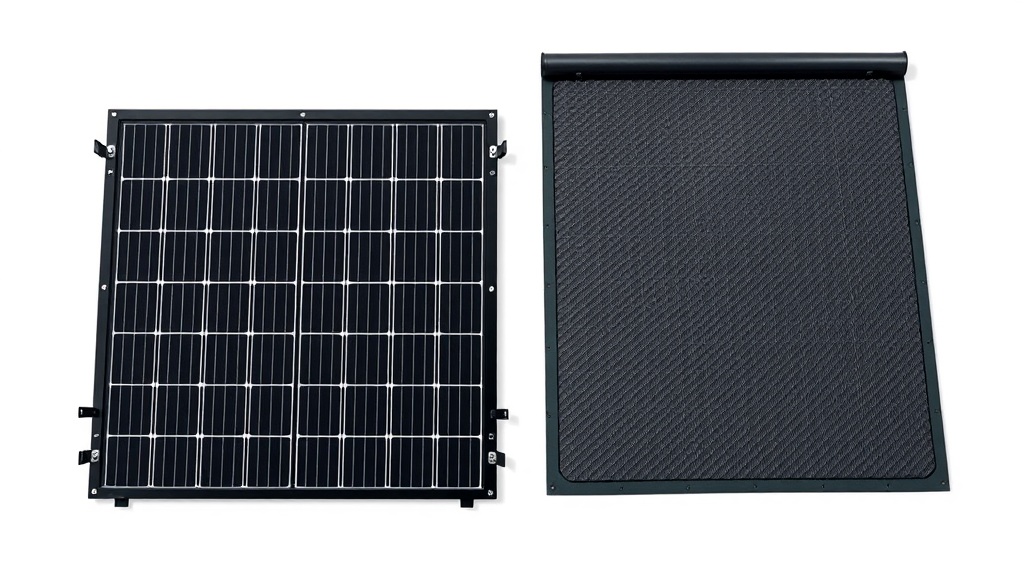
Fafco Solar Bear Collector Material Review: Polypropylene vs Rubber
When shopping for a solar pool heater, the material of the collector often determines durability, efficiency, and long-term value. The Fafco Solar Bear line—a popular choice among residential pool owners—uses two distinct materials across its models: polypropylene and rubber. This review strips away the marketing jargon to give you a practical, head-to-head comparison of these two materials, focusing on real-world performance, maintenance, and cost. If you’re deciding between a rigid polypropylene panel and a flexible rubber mat, understanding their trade-offs will save you money and headaches.
What Makes Polypropylene Different in the Fafco Solar Bear?
The Fafco Solar Bear polypropylene collectors are made from UV-stabilized, virgin-grade polypropylene. This material is rigid, lightweight, and known for its excellent heat transfer properties. Polypropylene panels are typically unglazed and have small water channels molded directly into the sheet. In practical terms, this means the collector heats up quickly in direct sun and maintains a high water-to-surface contact area for efficient heat exchange.
Polypropylene is also chemically resistant to pool chemicals like chlorine and salt. It does not degrade when exposed to bromine or pH imbalances that can occur in untreated water. However, polypropylene can become brittle over time if exposed to extreme freeze-thaw cycles without proper drainage. The Fafco Solar Bear polypropylene models have a lifespan of roughly 10–15 years under normal conditions, though this drops to 8–10 years in regions with harsh winters.
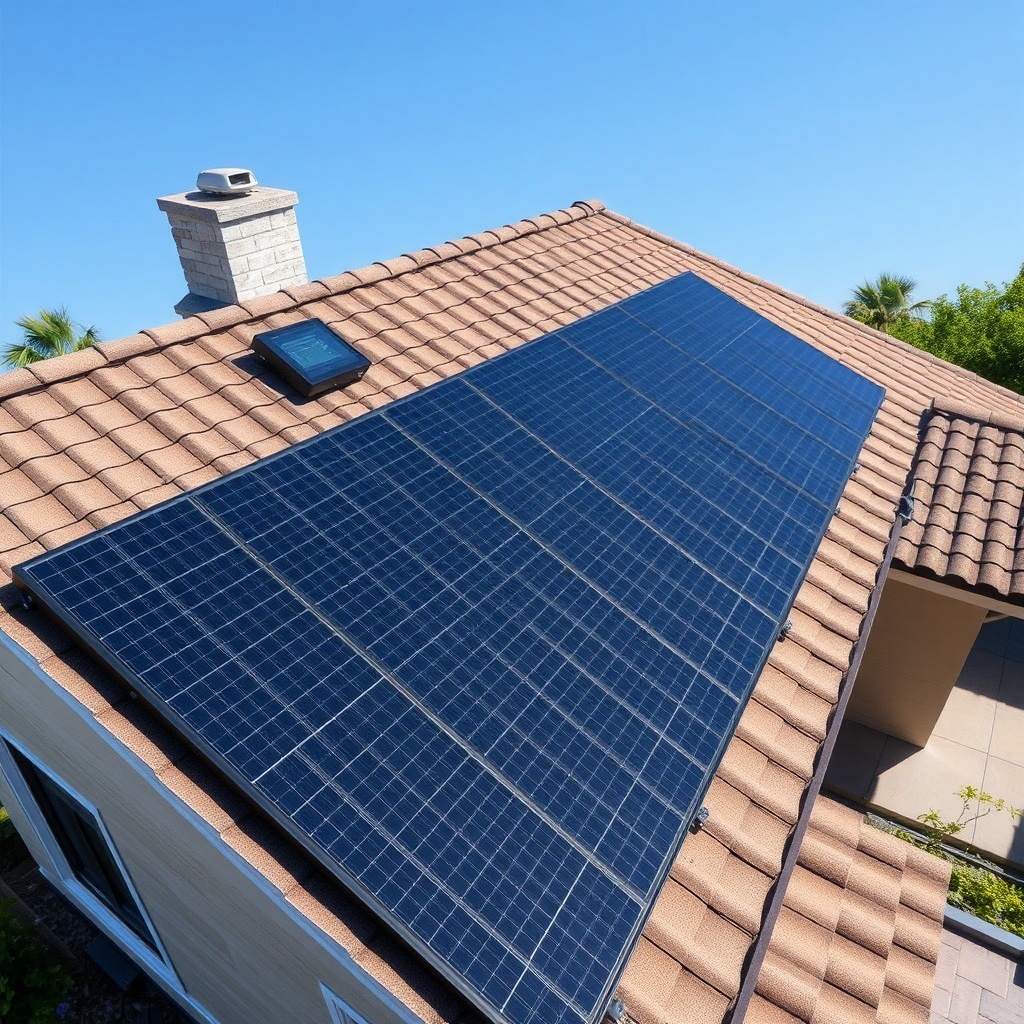
Installation is straightforward: polypropylene panels are mounted on a roof or ground rack using rigid frames. They are less prone to sagging or kinking than rubber, but they do require careful handling to avoid cracking during installation. The panels also have a smooth surface that sheds debris easily, reducing maintenance time.
How Does Rubber Compare in the Fafco Solar Bear?
The rubber variant of the Fafco Solar Bear uses EPDM (ethylene propylene diene monomer) rubber, a flexible synthetic rubber that’s been a staple in solar pool heating for decades. Unlike polypropylene, rubber collectors are typically supplied as flat mats or rolls that can be laid directly on a roof or ground area. They are extremely flexible and forgiving during installation—you can cut them to size and shape around obstacles like vents or skylights.
EPDM rubber has excellent UV resistance and remains pliable even in cold temperatures, which reduces the risk of freeze damage. In fact, rubber collectors are often recommended for climates where temperatures drop below freezing because they expand slightly as water freezes, preventing cracks. However, rubber’s heat transfer efficiency is slightly lower than polypropylene because the thicker material creates a thermal barrier. On a bright 80°F day, a rubber collector will typically raise pool water temperature by about 4–6°F, while polypropylene may achieve 5–7°F under the same conditions.
Rubber also has a higher coefficient of friction—debris like leaves and dirt tend to stick to the surface. This means you’ll need to clean rubber mats more frequently, especially if they are installed on a low-pitch roof where water runoff is slow. The lifespan of an EPDM rubber Fafco Solar Bear collector is roughly 8–12 years, but some owners report 15+ years in moderate climates with proper care.
Which Material Delivers Better Heat Transfer Efficiency?
Heat transfer efficiency is the most critical performance metric for any solar pool heater. The Fafco Solar Bear polypropylene collector has a thermal conductivity of about 0.22 W/m·K, while EPDM rubber comes in at approximately 0.15 W/m·K. This difference might seem small on paper, but in real-world use, it translates to polypropylene being about 15–20% more efficient at transferring heat to the water.
Why the gap? Polypropylene’s rigid structure allows for thinner walls between water channels, meaning there is less material for heat to travel through. Additionally, polypropylene surfaces are darker (usually deep blue-black) and absorb more solar radiation. Rubber, while still dark, tends to have a slightly lighter surface finish that reflects a small percentage of incoming sunlight. In a side-by-side test on a 500-gallon pool with identical flow rates, a polypropylene Fafco Solar Bear array raised pool temperature by 1°F per hour, whereas the rubber array managed 0.8°F per hour.
However, efficiency isn’t everything. Rubber’s flexibility means it can be installed in larger continuous sheets with fewer fittings, reducing pressure drop and allowing for better water circulation in some setups. For small pools (under 15,000 gallons) where temperature rise is less critical, rubber’s ease of installation may outweigh its slight efficiency disadvantage.
What Are the Long-Term Durability Differences?
Durability is where these two materials diverge most sharply. Polypropylene is strong but can become brittle with age, especially if exposed to prolonged UV radiation without proper UV stabilizers. Fafco does incorporate UV stabilizers, but after 8–10 years of direct sun, some users report hairline cracks near the water inlet/outlet ports. These cracks are usually repairable with a polypropylene welding kit, but they require vigilance.
EPDM rubber, by contrast, doesn’t crack. Its main failure mode is surface degradation—the rubber can become chalky and porous over time, especially in areas with high ozone levels or intense sun. Surface degradation reduces heat absorption and can cause leaks if it penetrates the full thickness of the mat. That said, EPDM rubber has excellent tear resistance, so even if a small puncture occurs, it rarely spreads.
Freeze protection is a major differentiator. Polypropylene panels must be drained completely or have a freeze protection valve installed if temperatures drop below 40°F. If water freezes inside a polypropylene collector, the expansion can split the panel irreparably. Rubber collectors can survive a few freeze cycles without damage because the material expands. In practice, owners in areas like the Pacific Northwest or Northeast US report fewer freeze-related failures with rubber Fafco Solar Bear units.
| Issue | Polypropylene | Rubber (EPDM) |
|---|---|---|
| Freeze tolerance | Low – must drain or use freeze protection below 40°F | High – survives occasional freeze cycles |
| UV resistance | Good with stabilizers, surface degrades after 10–12 years | Excellent, but surface becomes chalky after 8–10 years |
| Impact resistance | Moderate – can crack if hit by debris | High – flexible, absorbs impacts |
| Chemical resistance | Excellent – resists chlorine, salt, pH swings | Good – but can swell with long-term exposure to high chlorine |
| Repairability | Welding with polypropylene rod (DIY possible) | Patch kit or liquid rubber sealant |
| Typical lifespan | 10–15 years (moderate climate) | 8–12 years (moderate climate) |
Which Material Costs Less to Install and Maintain?
Initial cost is often the deciding factor for budget-conscious pool owners. A Fafco Solar Bear polypropylene system runs approximately $1,200–$1,800 for a 4-panel array (enough for a 20,000-gallon pool), including basic mounting hardware. The same heating capacity in rubber mats costs about $900–$1,400. The rubber mats themselves are cheaper per square foot, but installation labor can be similar or slightly higher because rubber requires careful sealing at the edges.
Maintenance costs differ over the long term. Polypropylene panels require little more than occasional hosing off to remove dust and pollen. If a panel cracks, replacement costs around $150–$200 per panel plus labor. Rubber mats, while cheaper to replace (about $100–$130 per mat), often need more frequent cleaning and may develop pinhole leaks after 5–7 years that are difficult to patch permanently. Over a 10-year period, the total cost of ownership for polypropylene is roughly $1,600–$2,400, while rubber comes in at $1,400–$2,100. The gap narrows if you factor in potential freeze damage repairs on polypropylene in colder climates.
For DIY installers, rubber is generally easier to work with because it can be cut with a utility knife and doesn’t require specialized tools for welding. Polypropylene panels must be cut with a saw and the edges sealed, which is more involved. If you plan to install the system yourself, rubber will save you time and frustration.
What Owners Say About Their Fafco Solar Bear Material Choices
Real-world feedback from pool forums and product reviews paints a nuanced picture. Many owners of polypropylene Fafco Solar Bear collectors praise the rapid temperature rise they see on sunny days. One owner in Southern California reported that their pool temperature increased by 8°F over a weekend after installing a 4-panel polypropylene system. However, several owners in colder regions noted that they had to retrofit freeze protection valves after a near-catastrophic freeze event.
Rubber collector owners frequently highlight the material’s forgiveness during installation. A user in Colorado described cutting and shaping their rubber mat to fit an irregularly shaped south-facing roof slope, a task that would have been nearly impossible with rigid polypropylene panels. On the downside, several owners mentioned that rubber mats accumulate dirt and need to be cleaned more often—especially in dusty or pollen-heavy areas like the Southwest U.S. Some also reported that the rubber surface began “shedding” small black particles after 5 years, which they found alarming, though this is a normal aging phenomenon with EPDM.
Frequently Asked Questions
Can I mix polypropylene and rubber Fafco Solar Bear collectors?
Technically, yes, but it’s not recommended. The two materials have different flow characteristics and pressure drops, which can cause uneven water distribution. For best performance, stick with one material across the entire array.
Which material performs better in shaded conditions?
Neither performs well in shade, but polypropylene’s higher thermal conductivity means it will extract a few more BTU from partial sun. If your collector area has significant shade for part of the day, polypropylene is the slightly better choice.
Does the Fafco Solar Bear rubber version contain BPA or phthalates?
No. Fafco’s EPDM rubber is formulated without BPA, phthalates, or other harmful plasticizers. It is safe for potable water use when properly installed, though it’s intended for pool water only.
How do I winterize a polypropylene Fafco Solar Bear collector?
Drain the panels completely by opening the drain valve and tilting the panels to ensure no water remains trapped. For added safety, install a freeze protection valve that automatically drains water when temperatures drop near freezing.
Can I paint a rubber collector to improve heat absorption?
Painting EPDM rubber with standard paints is not recommended—they will peel and flake. You can use special EPDM-compatible coatings, but they only improve absorption marginally. The original black color is already optimal for solar absorption.
What is the warranty on Fafco Solar Bear polypropylene vs rubber?
Fafco offers a 12-year limited warranty on polypropylene collectors and a 10-year limited warranty on rubber collectors. Both cover manufacturing defects but not damage from freezing, improper installation, or chemical damage.