Why Is the Fafco Solar Bear Vacu-Relief Valve Leaking After a Storm?
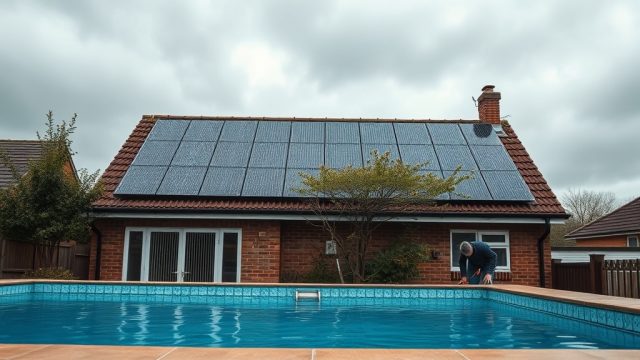
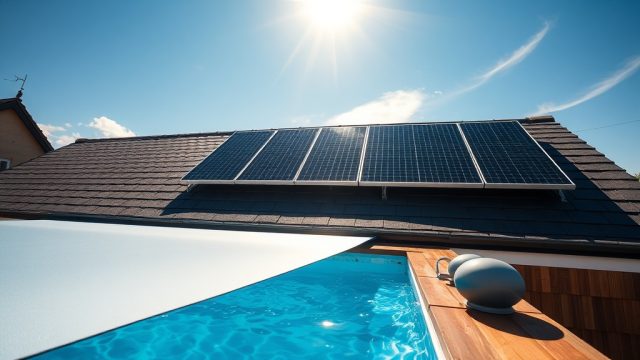
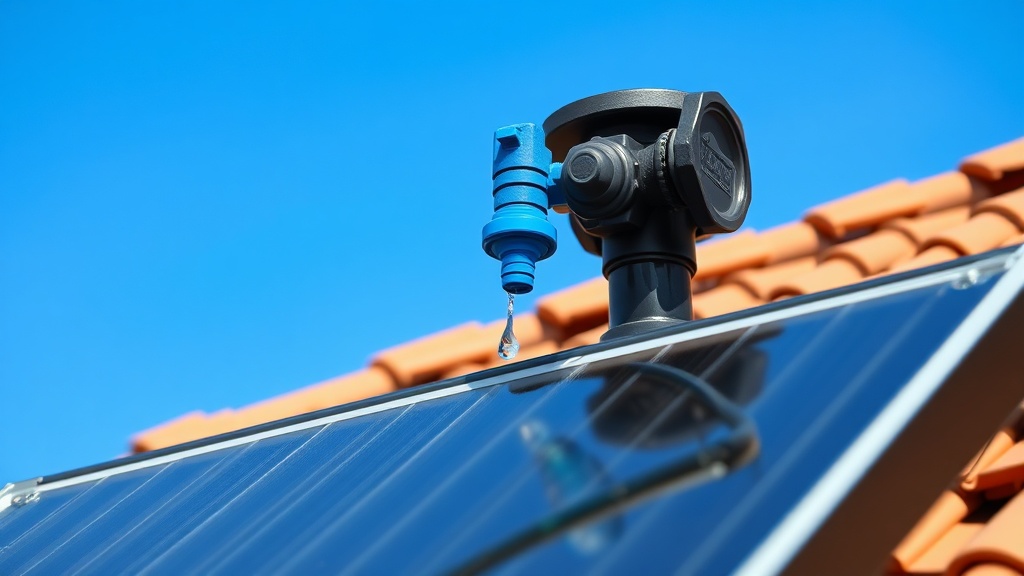
After heavy rain or wind, many pool owners find water dripping from the Fafco Solar Bear’s vacuum relief valve (VRV). This is often due to debris, such as leaves or small twigs, lodging in the valve’s diaphragm or seat. In the UK, where autumn storms can be severe, this issue is common. A simple inspection can resolve this: first, turn off the solar pump and isolate the system. Use a garden hose to flush the valve area gently from the outside. If the leak persists, the diaphragm may have a small tear from age or debris impact. Replacement diaphragms are available for around £12–£18 from pool suppliers, and the repair takes about 20 minutes. For a step-by-step on material durability, see our Fafco Solar Bear Collector Material Review: Polypropylene vs Rubber.

How Do I Know If the Fafco Solar Bear VRV Needs Replacement vs. Simple Cleaning?
Distinguishing between a blocked valve and a failed unit is critical for cost-effective repairs. Here’s a quick comparison table based on common symptoms and diagnostics:
| Symptom | Likely Cause (Cleaning) | Likely Cause (Replacement) | Diagnostic Step |
|---|---|---|---|
| Continuous dripping, no heavy rain | Debris in seat | Worn diaphragm or spring | Remove valve cap; inspect for tears |
| Valve hisses but does not seal after pump start | Air in system | Faulty poppet | Check seal after 10 min of operation |
| Water weeping from valve body threads | Loose fitting | Cracked housing | Tighten gently; if persists, replace |
| Valve rattles when system is off | Normal expansion noise | Broken spring retainer | Compare with new unit |
If cleaning involves simply flushing with water and re-seating, the cost is zero. Replacement parts range from £15 to £35 for genuine Fafco kits. For winter protection specifics, refer to Fafco Solar Bear Winterization: Draining and System Protection Guide.
What Tools and Parts Are Needed for Fafco Solar Bear VRV Repair?
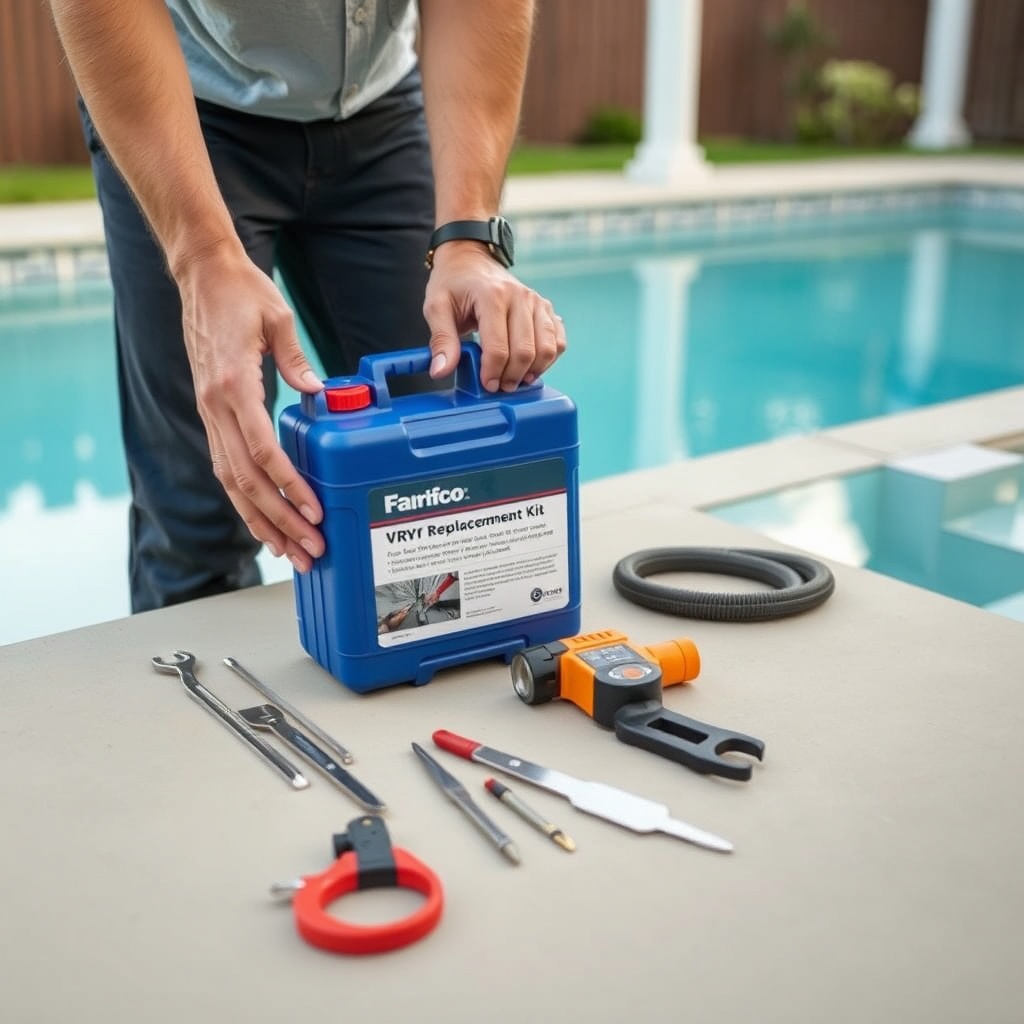
Before starting, gather these items: a flathead screwdriver (for prying off snap rings), adjustable spanner (19mm for nut), replacement VRV kit (model-specific, around £20–£30 from UK distributors), silicone lubricant (e.g., pool-safe O-ring grease, £5), and a small bucket. The procedure: isolate the system, drain the line near the valve, unscrew the top nut, remove the old diaphragm and spring, clean the bore with a cloth, lubricate the new O-ring, reassemble, and pressure-test. Most owners complete this in under 30 minutes. Always use genuine Fafco parts to avoid seal incompatibility—counterfeit kits can fail within months. For a payback perspective on investing in quality repairs, see Fafco Solar Bear ROI Analysis: Energy Savings and Payback Period.
Can I Replace the Fafco Solar Bear Vacu-Relief Valve Without Draining the Entire System?
Yes, but with precautions. The VRV sits on the return header, often at the highest point. By closing the isolation valves on the supply and return lines (if installed), you can contain water in the roof panels. However, many older UK installations lack these isolation valves. In that case, you must drain the system: use the drain valve at the lowest point, open the vent at the top, and collect water in a bucket. Expect up to 20 litres of water depending on panel count. If you cannot drain fully, use a wet/dry vacuum to clear the header. Dryness inside the valve body is essential for a proper seal. Once replaced, refill slowly and bleed air via the VRV itself. This procedure is detailed in the Fafco Solar Bear Winterization: Draining and System Protection Guide.
What Owners Say About Their Fafco Solar Bear VRV Experiences
Feedback from UK pool owners highlights two recurring themes. First, the VRV is a weak point during freeze-thaw cycles—several owners in Scotland reported cracked housings after unseasonal frosts, leading to £30–£50 repair costs. Second, the valve’s plastic housing can become brittle after 4–5 years in direct UV exposure. One owner in the South East shared, “A simple £20 DIY repair saved me from a pool pump burnout when the VRV stuck open.” Others recommend annual inspection before spring startup, especially if the system was winterized early. Positive notes: the valve is easy to service once you know the snap-ring trick, and genuine parts fit perfectly. Negative experiences often stem from using generic valves that leak at different pressure thresholds. For material science behind longevity, see Fafco Solar Bear Collector Material Review: Polypropylene vs Rubber.
Frequently Asked Questions
- How often should I inspect the Fafco Solar Bear VRV? Annually, before winter and after major storms. In the UK’s variable climate, extra checks after frost are wise.
- Can I use a universal vacuum relief valve on a Fafco system? Not recommended. Fafco’s VRV opens at specific pressure (approx. 0.07 bar). Universals may not match, causing improper air release or water hammer.
- What does a failed VRV sound like? A steady hiss when the pump is off, or a chatter when the pump cycles. Also, air bubbles in the pool return line indicate air ingress.
- Is the VRV covered under Fafco warranty? Typically, the VRV is a wear item—2-year limited warranty on material defects, but not on normal wear. Check original purchase documents.
- Can I install a ball valve to bypass the VRV? No—this voids safety certification. The VRV prevents vacuum collapse in elevated panels. Use only as designed.
- Where to buy genuine Fafco Solar Bear VRV kits in the UK? Authorized distributors like SolarDirect, PoolStore UK, or direct from Fafco’s UK partner. Expect £22–£35 for a kit including diaphragm, spring, and O-rings.