Introduction
SolarPoolPro systems are a popular choice for homeowners looking to extend their swimming season with solar-heated water, but like any mechanical setup, they can encounter issues over time. From pressure drops to controller glitches, this guide walks you through the most common problems and the DIY fixes you can attempt before calling a professional. With a few basic tools and some patience, many SolarPoolPro owners can resolve issues themselves, saving time and money on service calls.
Why Is My SolarPoolPro System Not Heating the Pool Water?
If your SolarPoolPro panels are in full sun but the water temperature isn’t rising, the first step is to check the controller’s display for error codes. Common causes include a failed diverter valve, a clogged filter, or incorrect pump flow. Start by verifying that the pool pump is running at the correct speed—most SolarPoolPro systems require a minimum flow rate of 35 litres per minute per 2.4 m² panel. A dirty pump basket or skimmer can restrict flow, so clean those first. If the controller shows a “Flow Error” message, inspect the flow sensor for debris or mineral buildup. For a deeper dive into pump sizing, read our SolarPoolPro Minimum Flow Rate and Pump Sizing Guide. If the panels feel hot but the water isn’t heating, the diverter valve may be stuck in bypass mode—manually toggle it to solar mode and listen for the actuator click.
How Do I Fix a Leak in My SolarPoolPro Panel or Plumbing?
Leaks can occur at the tube-to-header joints, in the panel manifold, or at pipe connections. First, turn off the pump and drain the system to above the leak point. For small pinhole leaks in the polypropylene tubes, a silicone-based solar panel repair patch (available at most pool supply stores) can be applied after cleaning and drying the area. For leaks at threaded connections, use Teflon tape or thread sealant rated for pool chemicals. If the leak is in a flexible hose connection, replace the hose clamp with a stainless steel one and tighten to 3–4 Nm. For larger cracks in a panel, consider plugging the affected absorber tube with a plastic plug kit (approx. £15–£25) as a temporary measure. However, note that any repair may reduce efficiency, and a professional replacement might be needed. Proper winterization prevents freeze-crack leaks—see our SolarPoolPro Winterization: Draining and Freeze Protection Guide.
| Leak Type | Common Location | DIY Fix Difficulty | Estimated Repair Cost (Materials) | Severity |
|---|---|---|---|---|
| Pinhole in absorber tube | Panel surface | Easy | £10–£20 | Low |
| Drip at threaded joint | Pipe connection | Easy | £5–£10 | Low |
| Crack in header manifold | Panel end | Moderate | £25–£50 | Medium |
| Split flexible hose | Rooftop run | Moderate | £15–£30 | Medium |
| Large panel rupture | Any panel | Difficult | £100–£200 | High |
What Causes My SolarPoolPro Controller to Display “Error 3” or “Sensor Fault”?
Error codes often indicate sensor issues. “Error 3” typically signals a roof temperature sensor that is either short-circuited or reading out of range (below -20°C or above 120°C). First, inspect the sensor wire for damage from squirrels or UV exposure—common in rooftop installations. Reconnect any loose wires at the controller terminal block. If the sensor is intact, test it with a multimeter: a working PT1000 sensor should read around 1000 ohms at 0°C. Replacement sensors cost about £20–£35 and are plug-and-play. If the controller itself is malfunctioning, try a factory reset (hold the “Mode” and “Down” buttons for 10 seconds). For persistent issues, the controller board may need replacement, but this is rare. Keep a log of error occurrences to help diagnose patterns.
How Do I Troubleshoot Low Water Flow Through the Solar Panels?
Low flow is often indicated by the system cycling on and off or by a “Low Flow” alert. Begin by checking the pool pump’s pressure gauge: if it’s above 2.0 bar, backwash the filter. A clogged filter is the most common cause. Next, inspect the automatic air vent on the system’s return line—if it’s stuck closed, air can accumulate and block flow. Manually bleed the vent by turning it counterclockwise until water trickles out. Ensure the pump speed is at least 1800 RPM for a single-speed pump or set the variable-speed pump to a flow rate of 40–60 L/min per panel. For a full breakdown, consult the SolarPoolPro Minimum Flow Rate and Pump Sizing Guide. If flow is still low, check for closed isolation valves—they may have been shut during winterization and not reopened.
Why Does My SolarPoolPro System Lose Pressure or Show Air in the Return Lines?
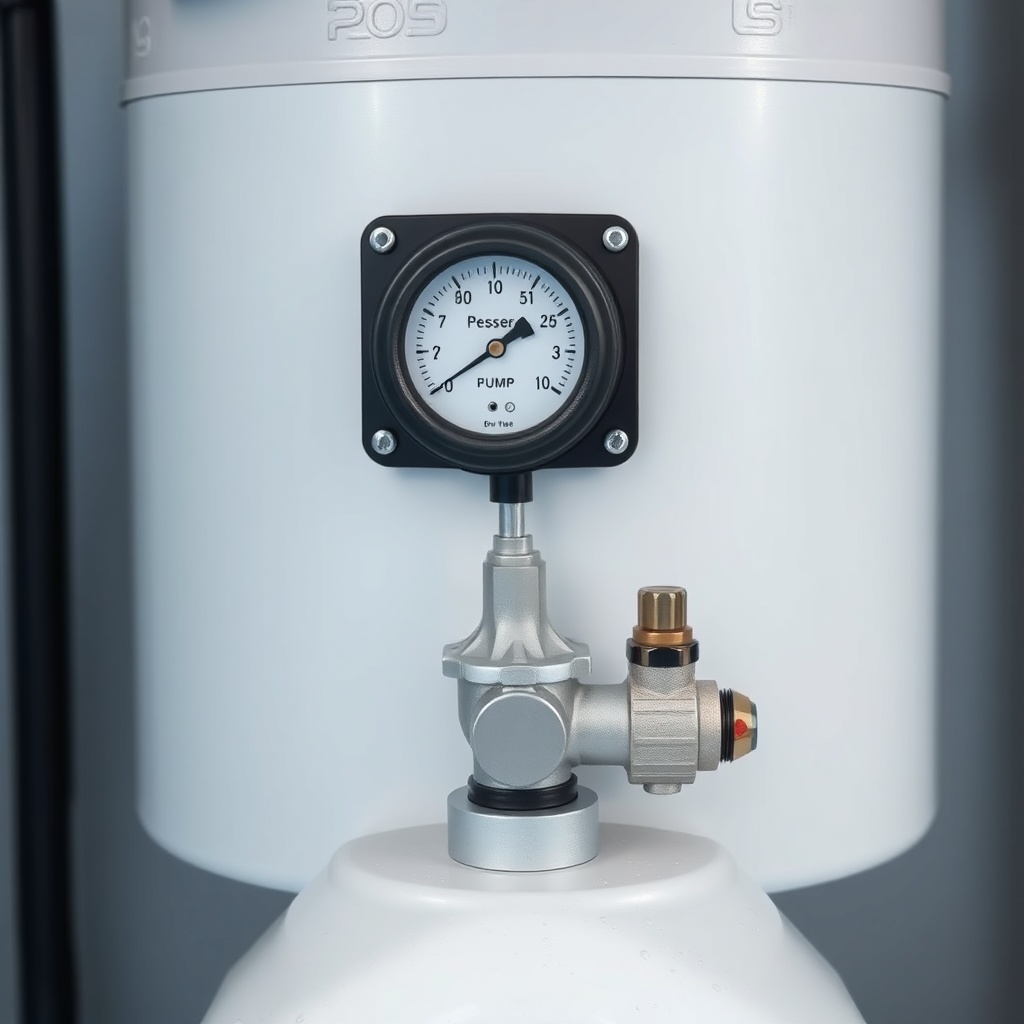
Air in the system can reduce heating efficiency and cause noisy operation. This usually points to a suction-side leak where the pump draws in air. Inspect all O-rings on the pump strainer lid, the diverter valve, and the solar return line union. Lubricate them with silicone grease if dry. Another culprit is the air bleed valve at the highest point of the solar array—if it’s not working, air gets trapped. Replace it if the float is stuck. Condensation in humid climates can also mimic air bubbles; learn more in our SolarPoolPro Condensation Management in Humid Climates article. If bubbles are persistent, perform a pressure test: isolate the system, cap the return line, and pressurize to 1.5 bar—a drop of 0.2 bar in 15 minutes indicates a leak.
How Often Should I Clean SolarPoolPro Panels, and What Cleaners Are Safe?
Dirty panels reduce heat absorption by up to 40%. In most regions, cleaning every 3–6 months is sufficient, but if you live near trees or dusty areas, monthly cleaning may be needed. Use a soft brush and a mild solution of water and white vinegar (1:1 ratio) to remove mineral deposits. Avoid abrasive scrubbers or bleach, which can damage the panel’s UV coating. For heavy calcium scale, use a product like “SolarPanel Clean” (approx. £12 per litre). Always rinse thoroughly and clean early in the morning to avoid thermal shock. Proper maintenance extends panel life—our SolarPoolPro Maintenance Schedule Guide: Seasonal Tasks for Optimal Performance has a detailed clean vs. inspect schedule.
What Owners Say
Many SolarPoolPro owners on UK pool forums praise the system’s durability but note that DIY fixes are common. One user from Surrey reported that cleaning the roof sensor with a soft cloth resolved a recurring “Error 1” code. Another owner in Cornwall shared that a £12 air vent replacement eliminated gurgling noises. “The panels are solid, but you need to stay on top of the plumbing,” wrote a user from Manchester. “I saved £300 by fixing a leaky joint myself with a new O-ring.” Owners also recommend keeping a spare flow sensor and diverter valve actuator on hand, as these are the most common failure points after three years. Overall, the consensus is that SolarPoolPro rewards attentive owners with reliable heating, but troubleshooting is part of the experience.
Frequently Asked Questions
Can I use a third-party controller with my SolarPoolPro panels?
Yes, but only if the controller is compatible with a PT1000 sensor and supports a relay for a 3-way diverter valve. Brands like Pentair and Hayward often work, but you may void the panel warranty.
How do I know if my solar panels are frozen and damaged?
Look for bulging or cracking at the header joints. If water leaks when the system is pressurized, you likely have freeze damage. Always drain panels before frost in autumn.
What size of pump do I need for four SolarPoolPro panels?
For four 2.4 m² panels, a pump with a flow rate of 140–200 L/min at 1.5–2.0 bar is ideal. A 1.5 HP single-speed pump or a 2.2 kW variable-speed pump is typical.
My SolarPoolPro system heats the pool in the morning but not the afternoon—why?
This is often due to roof shading from trees or structures in the afternoon. Check for shadows on the panels and consider trimming branches. Alternatively, the controller may have the tilt angle set too low for summer sun angles.
Can I install SolarPoolPro panels on a flat roof?
Yes, but you must mount them at an angle of at least 10° using racking stands to ensure proper drainage and heat transfer. Without tilt, water can pool and reduce efficiency.
How long do SolarPoolPro panels typically last before needing replacement?
With proper maintenance, panels can last 15–20 years. UV degradation becomes noticeable after 10 years, but many UK owners report 18 years of service before efficiency drops below 70%.