Heliocol HC-65 Not Heating? Start Here
When your Heliocol HC-65 solar pool heater suddenly stops delivering warm water, the culprit is often something simpler than a catastrophic system failure. The HC-65, with its robust polypropylene panels and integrated manifold design, is built for longevity, but even the best solar systems need periodic attention. Before you call a technician, this troubleshooting guide walks you through the most common issues and DIY fixes that can restore performance in under an hour.
We’ve compiled these fixes based on field reports from solar pool owners and service logs, focusing on problems you can safely address without specialized tools. Always shut off the pump and relieve system pressure before working on any component. For more structured upkeep, review the Heliocol HC-65 Maintenance: Cleaning and Best Practices for Longevity article.
Why Is My Heliocol HC-65 System Leaking at the Manifold?
Leaks at the manifold or panel joints are the most frequently reported issue with Heliocol HC-65 collectors. Over time, temperature cycling and UV exposure can cause O-rings to harden or crack. Another common cause is overtightened compression fittings that distort the sealing surface. If you see a slow drip or a steady stream, check the following first:
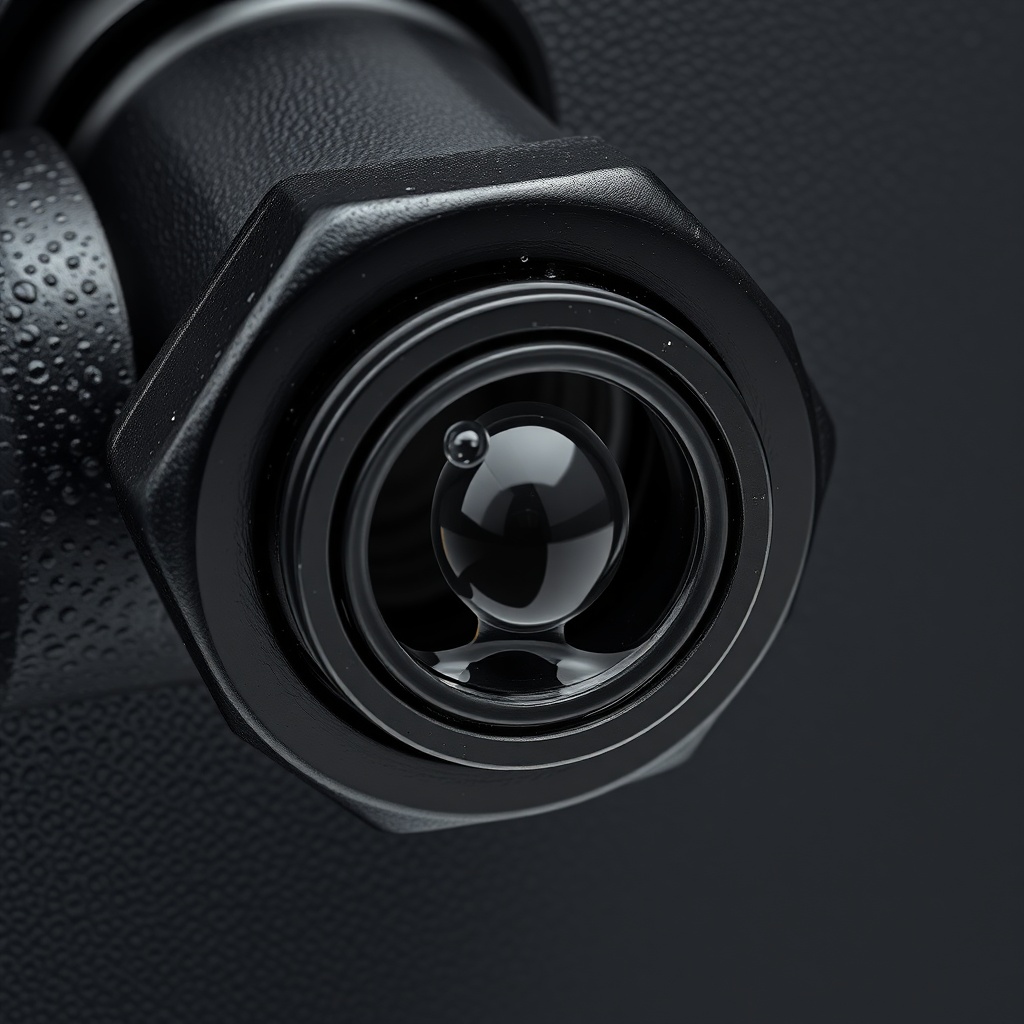
- Inspect the O-rings: Remove the union nut and examine the black rubber O-ring. If it feels brittle or has flat spots, replace it with a genuine Heliocol replacement (available from most pool supply houses for around £12–18 per O-ring set). Lubricate the new O-ring with silicone pool grease before reassembly.
- Check for manifold cracks: Hairline stress fractures in the polypropylene manifold—especially near the return header—can develop from freeze damage or overpressure. A crack longer than 5 mm usually requires manifold replacement, though some owners temporarily patch small leaks with a two-part epoxy rated for polypropylene.
- Look for loose fittings: The black ABS compression nuts can loosen slightly after repeated thermal expansion. Tighten them by hand (never use a wrench) to avoid cracking the plastic.
Persistent manifold leaks often signal a need for the Heliocol HC-65 Vacu-Relief Valve Repair and Replacement Guide, as a failing valve can cause backpressure that strains the manifold seals.
How Do I Fix Low Water Flow Through the Heliocol HC-65?
Low flow reduces heat transfer and can lead to stagnation, which damages the panels. The HC-65 requires a minimum pump flow of about 40 litres per minute per panel for optimal performance. If your flow meter (or visual inspection) shows sluggish water movement, follow these steps:
- Check the pump pre-filter basket: A clogged basket reduces head pressure. Clean it and look for debris like leaves or small plastic shards.
- Inspect the solar bypass valve: Manual or automatic bypass valves that are partially closed restrict flow. Ensure the valve is fully open during normal heating operation.
- Look for air locks: Air trapped in the panels can block water. If you hear gurgling or see sporadic flow, open the air bleed valve at the high point of the system (usually a small brass or plastic screw on the return manifold). Bleed air until a steady stream of water exits.
- Verify panel orientation: Panels installed with the headers lower than the panels can trap air. Refer to the manufacturer’s slope guidelines; a 2-degree tilt toward the drain is ideal.
If flow remains low despite these steps, you may have partial blockage inside the panel channels. This is rare but can occur from sand or scale. A professional flush with a low-pressure water jet may clear the obstruction. For humid climates, also review Heliocol HC-65 Condensation Management in Humid Climates, as condensation can sometimes be mistaken for a leak.
Heliocol HC-65 Temperature Gauge Shows No Rise – What’s Wrong?
A temperature gauge that shows no change—or even a drop—despite bright sun indicates the system is not capturing heat. This often relates to improper diverter valve settings or a pump that isn’t running at the right speed. Use this table to diagnose common sensor and valve scenarios:
| Observation | Likely Cause | DIY Fix | Estimated Cost (GBP) |
|---|---|---|---|
| Gauge reads ambient temp, no change after 2 hours | Diverter valve not fully open to solar loop | Manually rotate the three-way valve to solar position | £0 |
| Gauge reads lower than pool water temp | Panel bypass is open or partial | Close the bypass valve to force water through panels | £0 |
| Gauge fluctuates wildly | Loose thermistor connection or faulty sensor | Tighten wire nuts on the sensor; replace sensor (about £25) | £25–30 |
| No gauge reading at all | Blown fuse or power issue in controller | Check 12V DC fuse in the controller box (usually 3A) | £2–5 |
If your Heliocol HC-65 uses a differential controller, ensure the panel sensor is mounted securely to the absorber plate. A loose sensor gives false readings. Also, confirm the pump timer is not set to run only at night.
What Causes Noisy Operation from the Heliocol HC-65 Panels?
Noises like clicking, popping, or a low rumble are not normal for a properly installed Heliocol HC-65 system. They usually indicate either thermal expansion rubbing against the roof surface or trapped air. Here’s how to identify the source:
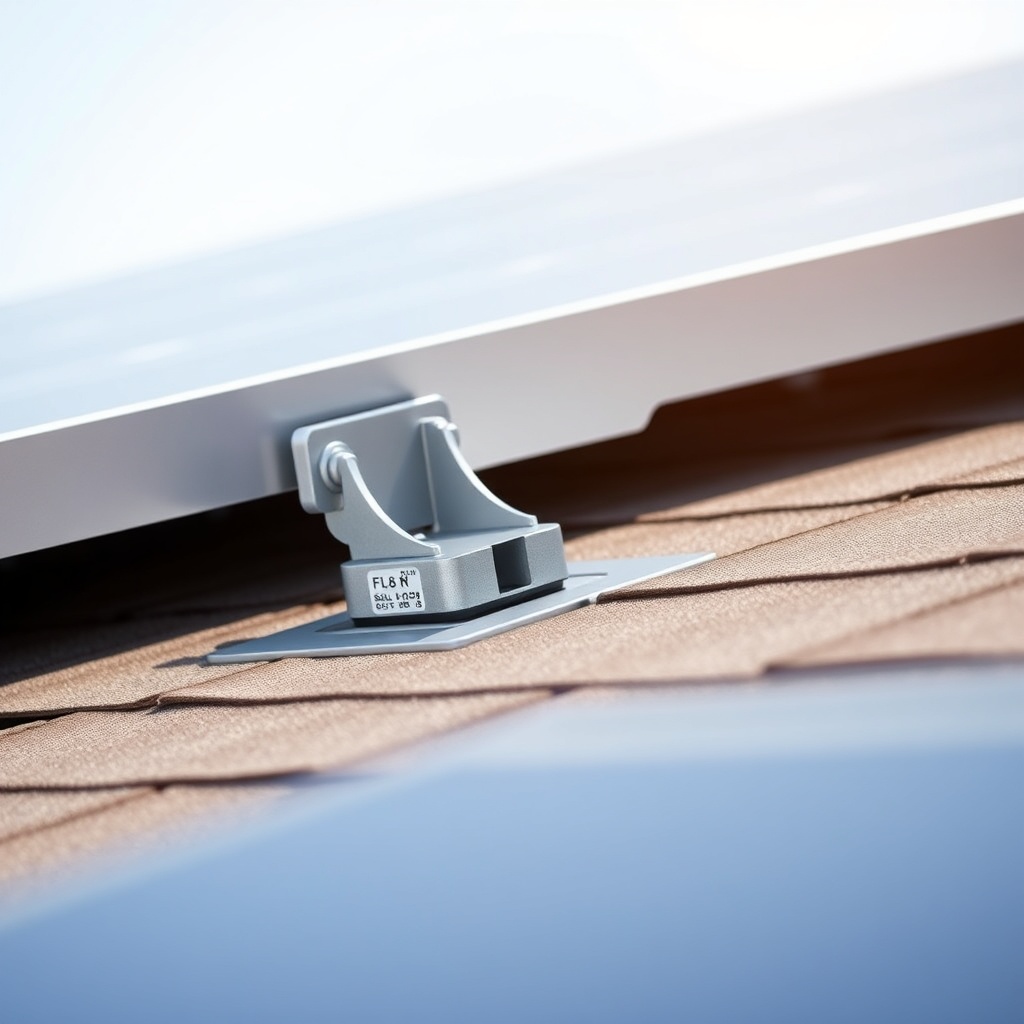
- Clicking/Popping (thermal expansion): Polypropylene expands roughly 1% per 10°C temperature change. If panels are mounted flush to shingles without a slip layer (like a rubber mat), the expansion creates friction noise. Install expansion joints (available for about £40–60 per set) between panels and the roof to mitigate this.
- Gurgling/Hissing (air in lines): Bleed air at the highest panel. Also check the vac-Heliocol HC-65 Vacu-Relief Valve Repair and Replacement Guide (VF1P)—a stuck or leaking vac-relief valve can introduce air into the water stream.
- Rattling (loose mounting hardware): Over years, the stainless steel brackets can loosen. Retighten all bolts to 8–10 Nm (use a torque wrench if possible). Loose hardware can also indicate the need for Heliocol HC-65 Snow Load Considerations for Pitched Roof Mounting, as heavy snow may have shifted the panels.
Noisy operation rarely signals imminent failure, but it’s a nuisance that can be resolved with simple adjustments. If you hear a continuous rattle, inspect the panel frame for cracks—polypropylene can become brittle after 15+ years of UV exposure.
My Heliocol HC-65 System Runs but Doesn’t Direct Water to the Panels
This is a classic diverter valve failure. The HC-65 uses a three-way diverter (usually a Jandy-style or a Heliocol proprietary valve) to route pool water to the solar array when the controller calls for heat. If the valve doesn’t shift, water simply bypasses the panels. Common causes include:
- Faulty actuator motor: The small motor in the valve actuator can burn out, especially if the valve stem is stiff. Listen for a humming sound—if it hums but doesn’t turn, the motor gear may be stripped. Replacement actuators cost around £90–130.
- Sticky valve stem: Dirt or calcium deposits can lock the stem. Remove the actuator and manually try to turn the stem with a pliers (gently). If it moves, clean the stem with white vinegar and lubricate with silicone spray.
- Controller signal issue: If the controller fails to send a signal, the valve stays in bypass mode. Check the controller’s LED indicators—a solid green light usually means signal is active. No light means a tripped breaker or dead controller. Replace controller fuses first (about £5 at a hardware store).
For a thorough walkthrough of valve diagnostics, see the Heliocol HC-65 Troubleshooting: Common Issues and DIY Fixes (this article), which covers the diverter valve in more depth.
What Owners Say About Heliocol HC-65 Reliability
Long-term owners of the Heliocol HC-65 consistently praise its heat output—even in overcast British conditions—but note a few recurring pain points. On UK solar pool forums, owners report an average lifespan of 12–18 years before needing panel replacement, though several have exceeded 20 years with diligent maintenance. The most common praise centers on the low cost of operation: “I saved around £400 per summer on gas heating,” writes one owner from Essex. Another from Cornwall highlights the quick installation: “Two of us mounted six panels in a long weekend.” Negatives almost always involve O-ring seals: “I replaced three O-rings in five years—not a big deal, but annoying.” A smaller subset mentions that the black polypropylene absorbs heat so well that panels can warp slightly if left dry on a sunny day—never run the system without water flow. Overall, the consensus is clear: the Heliocol HC-65 offers excellent value if you’re willing to perform basic maintenance every year or two.
Frequently Asked Questions About Heliocol HC-65 Troubleshooting
1. Can I repair a cracked Heliocol HC-65 panel myself?
Small cracks (under 3 mm) can sometimes be sealed with a polypropylene welding rod and a heat gun, but this is a temporary fix. For cracks longer than 5 mm, the panel typically needs replacement. Diy welding kits cost around £25, but professional welding runs £80–120 per crack.
2. How often should I replace O-rings in the HC-65 manifold?
Every 3–4 years is standard, but if you live in a region with high UV (southern UK can see strong sunlight), inspect them annually. Replace as a set when any one shows flat spots or hardness.
3. Why does my Heliocol HC-65 system lose pressure overnight?
Slow pressure loss usually indicates a small leak in the piping or manifold. Check for damp spots on the roof at dawn. Also test the vac-Heliocol HC-65 Vacu-Relief Valve Repair and Replacement Guide—a leaking valve can bleed water pressure.
4. Can I use antifreeze in the Heliocol HC-65 for winter?
No. The HC-65 panels are designed for water only. Adding antifreeze can damage the polypropylene and void the warranty. Instead, drain the system before freezing temperatures—a standard winterization process takes 30 minutes.
5. Is it normal for the panels to get hot enough to burn skin?
Yes. In full sun, the absorber plate can reach 70–80°C. Always handle panels with care during troubleshooting. If you need to touch a panel, wait until it has been shaded for at least 20 minutes.
6. My controller shows “Err” on the display—what does it mean?
The “Err” code usually indicates a sensor fault. Unplug the panel sensor (blue wire) and pool sensor (red wire), then recheck the display. If “Err” clears, replace the faulty sensor (about £25). If it persists, the controller may need a factory reset or replacement (£90–150).