Why Does Snow Load Matter for Heliocol HC-65 Pitched Roof Mounts?
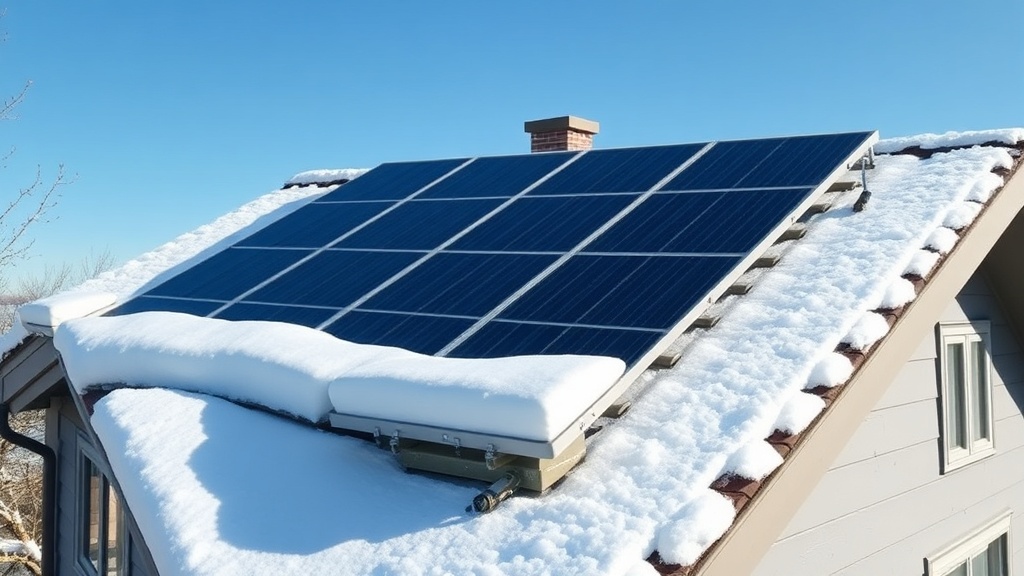
In regions where winter brings significant snowfall, the structural integrity of a solar pool heating system becomes a primary concern. The Heliocol HC-65, while a robust unglazed absorber, requires careful mounting to withstand the cumulative weight of snow drifting or settling on a pitched roof. This article examines the specific engineering considerations and installation methods needed to ensure the HC-65 array remains secure under snow load conditions, focusing on pitched roof mounting strategies.
Improper mounting can lead to panel deflection, broken headers, or even roof damage. For homeowners and installers, understanding the load ratings, fastener spacing, and roof pitch thresholds is essential. This guide draws on Heliocol’s technical specifications and field experience in snowy climates to provide actionable advice.
What Is the Rated Snow Load for the Heliocol HC-65?
The Heliocol HC-65 is engineered to handle a static snow load of up to 1,500 Pa (approximately 31.3 pounds per square foot) when mounted per manufacturer guidelines. This rating assumes the panels are installed on a minimum 4:12 pitched roof with standard aluminum rail supports spaced no more than 1,200 mm apart. Exceeding this load—common in areas with heavy, wet snow accumulations over 2 feet—requires additional reinforcement or a steeper pitch to allow natural shedding.
It is critical to note that the snow load capacity depends on the mount’s ability to transfer weight directly to the roof rafters. Using flat roof ballast systems on a low-slope roof dramatically reduces snow load tolerance. For pitched roofs, through-bolt or lag screw attachments into roof trusses are mandatory to meet the 1,500 Pa spec.
| Roof Pitch | Max Snow Depth (ft) | Max Snow Density (lbs/ft³) | Recommended Fastener Spacing |
|---|---|---|---|
| 4:12 (18.4°) | 2.5 | 12.5 | 48″ (1,219 mm) on center |
| 6:12 (26.6°) | 3.0 | 12.5 | 48″ (1,219 mm) on center |
| 8:12 (33.7°) | 3.5 | 12.5 | 48″ (1,219 mm) on center |
| 12:12 (45°) | 4.0 | 14.0 | 60″ (1,524 mm) on center |
Values assume well-bonded aluminum rail systems and stainless steel fasteners into roof trusses. For climates with “Sierra cement” (wet, dense snow above 15 lbs/ft³), consult a structural engineer.
How Does Roof Pitch Affect Snow Shedding for Heliocol HC-65 Arrays?
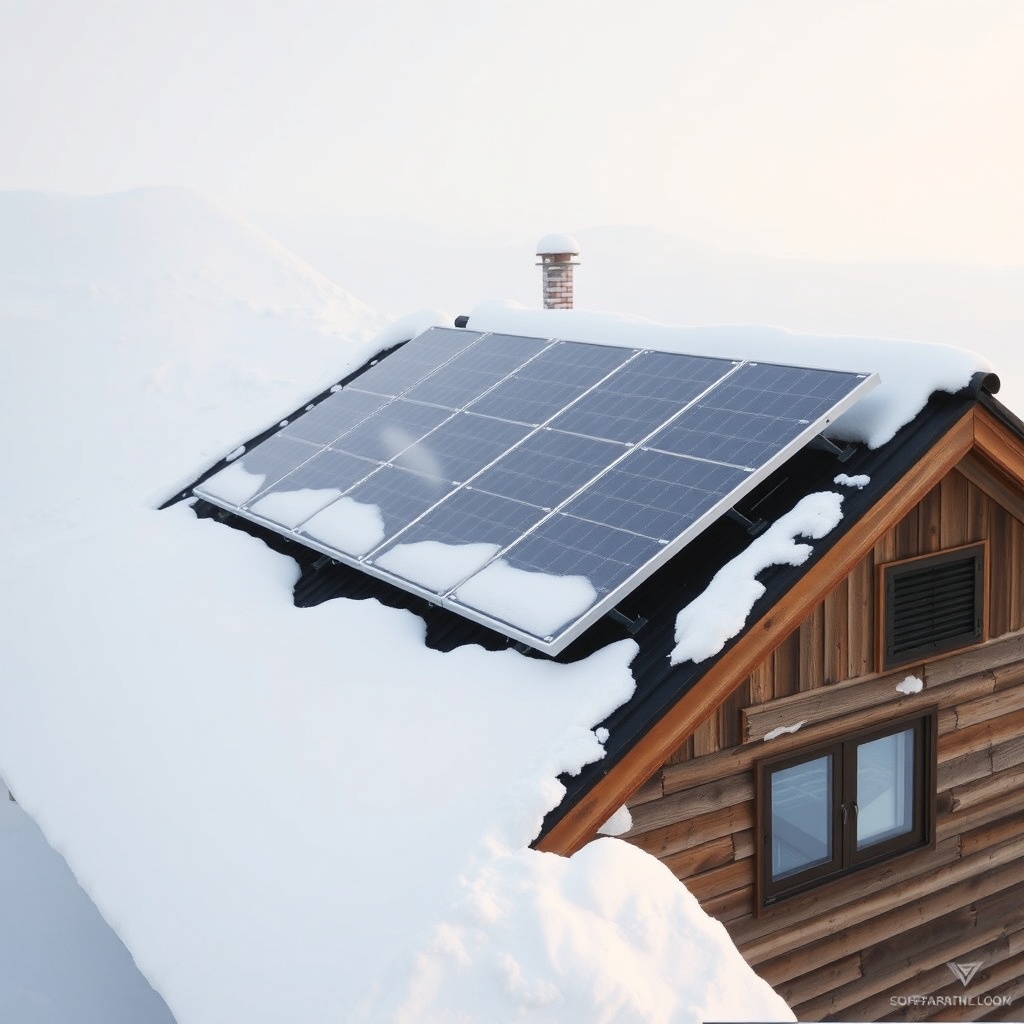
Snow shedding is a critical factor because the HC-65’s unglazed polypropylene surface is relatively slick but not self-cleaning. On roofs with a pitch below 4:12 (18.4°), snow tends to adhere rather than slide off, increasing the dead load on the panels. For pitches of 6:12 or steeper, gravity-assisted shedding is reliable under normal thaw-freeze cycles.
Heliocol recommends maintaining a minimum 6:12 pitch to ensure snow slides off before accumulating beyond 12 inches. This is especially important when multiple rows of panels are mounted—snow can bridge gaps between rows, creating ice dams on the lower headers. To mitigate this, installers should leave a 3-inch gap between rows and use snow guards on the roof above the array if the pitch is below 6:12. The minimum flow rate for the HC-65 also plays a role; circulating warm water through the panels during freeze events can promote melting, but this energy penalty should be factored into your ROI calculations.
What Type of Mounting Hardware Is Best for Snow Loads?
For pitched roofs in snowy climates, through-bolt or lag screw mounts are the only reliable options. Ballast systems (common on flat roofs) lack the shear strength to resist sliding forces from snow accumulation. Heliocol’s aluminum mounting rails use a T-slot channel that accepts ¼-inch stainless steel hex bolts with EPDM sealing washers.
Key hardware specifications:
- Fasteners: 316 stainless steel lag screws, 5/16-inch diameter, minimum 3-inch penetration into roof rafters.
- Brackets: Heliocol L-brackets, powder-coated aluminum, rated for 250 lbs vertical load each.
- Rails: 6063-T5 aluminum, 7-foot lengths, anodized for corrosion resistance.
- Spacing: Rails must be no more than 48 inches apart for snow loads up to 30 psf; for higher loads, reduce to 36 inches.
Always verify that the roof structure itself can support the additional weight. A typical HC-65 panel weighs 8 lbs dry, and with snow loading, the total can exceed 40 lbs/sq ft. For older roofs, consider reinforcing trusses or using a separate ground-mounted array. The vacu-relief valve on the HC-65 is also important—a blocked valve due to ice could cause the system to pressurize, leading to panel damage during freeze-thaw cycles.
Should You Use a Standoff or Flush Mount for Snow Zones?
Flush mounts (panels sitting directly on the roof surface) are often chosen for aesthetics, but they are not ideal for snow loads. When panels lie flush, snow can accumulate on top and along the perimeter, leading to ice damming at the lower edge. Standoff mounts, which raise panels 4 to 6 inches above the roof surface, allow snow and debris to pass underneath, reducing buildup.
However, standoff mounts create wind uplift concerns. For snow-prone regions with high winds (e.g., Lake Erie snow belts), a compromise is a low-profile standoff (2–3 inches) combined with additional fasteners at the array perimeter. The condensation management of the HC-65 is also relevant—standoff mounts improve airflow, reducing condensation in humid, snowy climates.
How Do You Calculate the Total Snow Load on Your HC-65 Array?
To determine if your specific roof and location fall within safe margins, use this formula:
Total Load (lbs) = Panel Area (sq ft) × Snow Depth (ft) × Snow Density (lbs/cu ft) × 1.1 (safety factor)
For a typical array of 10 HC-65 panels (each ~3 ft × 8.5 ft = 25.5 sq ft, total 255 sq ft) in an area with 2.5 ft of snow at 12.5 lbs/cu ft: 255 × 2.5 × 12.5 × 1.1 = 8,765 lbs. Distributed across the mounting points, this exceeds the 1,500 Pa rating if unfavorably distributed. In such cases, you need to either increase roof pitch (natural shedding), reduce panel count, or reinforce the mounting structure.
Check local building codes for ground snow loads (e.g., 50 psf in parts of New England). The HC-65’s 31.3 psf rating aligns with ASCE 7-16 ground load factors for roofs with a 0.9 exposure coefficient. If your code requires a higher design load, consider the energy savings versus extra structural costs—payback may extend due to added hardware.
What Are the Best Installation Patterns to Minimize Snow Drifts?
Snow drift around roof-mounted arrays can double local loads. To reduce drifting:
- Align panels parallel to the roof ridge, not perpendicular, to let snow slide uniformly.
- Keep the array at least 2 feet away from roof edges and valleys to avoid drift deposits.
- Use a zigzag pattern on multi-row arrays (staggering panels) to break wind flow.
- Install snow baffles (clear polycarbonate) at the lower edge of the array to direct snow away from gutters.
In New York’s snowbelt, installers report that gable-end roofs with arrays mounted on the south-facing slope perform best—panels shed snow within 24 hours of a storm if water temperature exceeds 40°F. The pool size and climate match of your system will determine whether the heat loss from melting snow is offset by gains later in the season.
What Owners Say About Snow Load Performance
Owners in Colorado’s Front Range and Vermont report mixed experiences. One Vermont user with 12 HC-65 panels on a 7:12 roof noted that heavy snow (28 inches in one storm) caused two panels to crack at the header joint—attributed to ice jamming in the lower rail. He switched to a standoff mount with heated cable (low-wattage) along the lower edge and had no further issues.
A Colorado installer shared that on a 6:12 roof with 48-inch rail spacing, snow loads up to 20 psf caused no deflection. He recommends using at least 6 mounting brackets per panel (3 per rail) in snow zones, versus the standard 4 in milder climates. Another owner in Lake Tahoe uses a tarp cover over the array during heavy snow warnings—though this is a workaround, not a permanent solution.
Common owner feedback: “The panels are tough, but the mounts are the weak point. Spend extra on hardware and check bolts yearly.”
Frequently Asked Questions
Can the Heliocol HC-65 support snow loads on a 3:12 pitch roof?
No—Heliocol recommends a minimum 4:12 pitch for any snow load. At 3:12, snow does not shed naturally, and the load rating drops below 1,000 Pa. Consider a ground mount or steeper roof instead.
Should I remove snow from my HC-65 panels manually?
Not recommended. Using a roof rake can scratch the polypropylene surface and damage the absorber coating. Let the panels shed naturally or use the pump to circulate warm water (if freezing is not a risk).
How often should I inspect the mounts after a snow season?
At least once per year—check for loose lag screws, bent rails, or cracked EPDM washers. Tighten any fasteners to 15 ft-lbs torque. In areas with heavy snow, inspect after each major storm.
Does snow accumulation affect the HC-65’s heating efficiency?
Yes. Snow acts as an insulator, blocking solar radiation and reducing heat output to near zero. The system will not produce useful heat until the snow melts or is cleared. This is factored into the annual heating season in snowy climates.
Can I add extra bracing to existing HC-65 mounts?
Yes. You can install additional L-brackets between existing mounts, provided you can anchor them to roof rafters. Do not rely solely on decking screws—they have insufficient shear strength. Use 1/4-inch stainless steel lag bolts.
What is the cost of upgrading mounts for snow load resistance?
For a typical 10-panel array, upgrading from standard to heavy-duty mounts (additional L-brackets, larger lag screws, and reinforced rails) costs roughly £200–£400 (approx $250–$500 USD) in materials. Labour adds another £150–£300 depending on roof access. This is a worthwhile investment for areas with annual snowfall exceeding 2 feet.