Heliocol HC-65 Condensation Management in Humid Climates: A Comprehensive Maintenance and Winterization Guide
For pool owners in humid regions, the Heliocol HC-65 solar collector demands a tailored approach to moisture control. This unglazed polymer panel, while durable, can trap condensation that leads to algae growth, reduced efficiency, or freeze damage if improperly managed. This guide covers proven strategies for maintaining and winterizing the HC-65 in high-humidity environments, ensuring your investment delivers consistent heat output for years.
Why Does Condensation Form Inside the Heliocol HC-65 in Humid Climates?
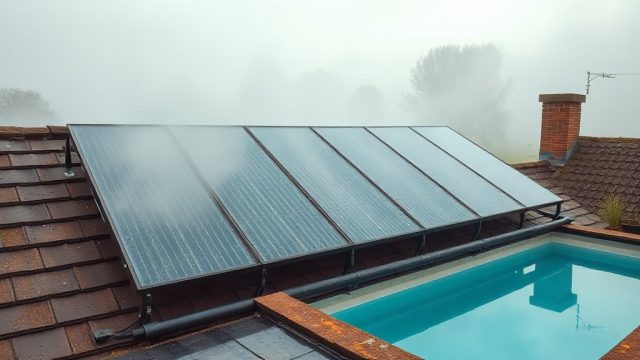
The Heliocol HC-65 is an unglazed collector with a black polypropylene absorber that relies on direct sun exposure. In humid climates, warm, moisture-laden air enters the system during the day when the pump runs. When the system shuts down at night, the panels cool rapidly, causing water vapor inside the tubes to condense into liquid droplets. This is most pronounced during spring and fall when diurnal temperature swings are large. Without proper management, standing water can promote biofilm growth, scale buildup, and—in freezing conditions—ice expansion that cracks the panel headers.
Humidity also accelerates the degradation of the EPDM gaskets used in HC-65 manifold connections. Regular inspection of these seals is critical; a compromised gasket increases air infiltration, worsening condensation cycles. For a detailed breakdown of how the HC-65 compares to the Heliocol HC-65 vs HC-50: Comparison Guide for Solar Pool Heating, see our sibling article that examines panel design differences affecting moisture resistance.
What Is the Recommended Winterization Procedure for Heliocol HC-65 in Humid Areas?
Standard winterization for the HC-65 requires draining all water to prevent freeze damage, but in humid climates, dried-out panels can still reabsorb moisture from the air. The recommended procedure includes the following steps:
- Step 1 – Drain Down: Shut off the pump and open the drain valves at the lowest point of the collector array. Use compressed air (30–40 psi) through the return line to blow out residual water. Ensure no water remains in the bottom headers, as these trap moisture.
- Step 2 – Dry the Interior: After air-blowing, leave the drain valves open and the isolation valves closed. In high-humidity regions, run the pump for 15 minutes on a dry, sunny day with the drain valves cracked open to pull dry air through the panels. This reduces internal humidity to below 30%.
- Step 3 – Seal Openings: Use silicone plugs or weatherproof caps on all open drain ports. Do not use tape, as it traps moisture. The Heliocol HC-65 Flat Roof Mounting Guide: Ballast vs Through-Bolt offers insights on how mounting type affects accessibility for these seasonal procedures.
- Step 4 – Monitor Gaskets: Replace any EPDM gaskets that show cracking or hardening before winter. A gasket failure allows humid air to enter, nullifying your drying efforts.
For regions with sporadic freezes, consider installing automatic vent valves that release trapped air and moisture, reducing the need for manual intervention.
How Can I Reduce Condensation Buildup During the Operating Season?
Active management of the system’s run cycle is the most effective strategy. Implement these techniques:
- Run the Pump Late Morning: Program your controller to start the pump at least two hours after sunrise. This allows panels to warm up, reducing the temperature shock that causes condensation from evening moisture settling.
- Use a Variable-Speed Pump: Run the pump at a lower flow rate (20–25 GPM for a typical 4-panel HC-65 array) during the final hour of operation. This gentle flow warms the panels gradually before shutdown, preventing rapid cooling that condenses moisture.
- Install a Solar Return Temperature Sensor: Integrate a sensor that monitors the water temperature leaving the panels. If the return temperature drops below 30°C, the controller extends the run cycle for 10 minutes to dry the interior. The Heliocol HC-65 Controller Automation: Smart Control Setup and Programming guide covers sensor placement and programming logic.
Additionally, check that the system’s vacuum relief valve (VRV) is functioning. A stuck VRV can cause negative pressure that draws in high-humidity air past the seals. Annual cleaning of the VRV with distilled vinegar removes mineral deposits common in hard water areas.
Does the Panel’s Material Composition Affect Condensation Severity in the Heliocol HC-65?
Yes—and the HC-65’s polymer grade directly influences moisture management. The table below summarizes key material properties relevant to condensation.
| Property | HC-65 Value | Impact on Condensation |
|---|---|---|
| Polymer type | UV-stabilized polypropylene copolymer | Low water absorption rate (0.01% per 24 hrs)—minimizes internal moisture retention |
| Thermal conductivity | 0.22 W/m·K | Slow heat loss reduces diurnal temperature swings, but still allows condensation when ambient humidity >80% |
| Gasket material | EPDM (ethylene propylene diene monomer) | Excellent ozone resistance; however, swells in high humidity if not kept dry—replace every 3 years in humid zones |
| Header design | Oversized 1-1/2” OD ports | Larger internal volume allows condensation to pool; ensure array pitched at 1° minimum for drainage |
Compared to the Heliocol HC-65 vs HC-50: Comparison Guide, the HC-65’s thicker walls (1.5 mm vs 1.2 mm) provide better thermal mass that slightly buffers temperature shifts. The HC-50’s alternative polymer blend absorbs 0.04% moisture, making the HC-65 a wiser choice for humid climates.
What Are the Best Practices for Cleaning Algae and Biofilm from Heliocol HC-65 After Condensation?
Algae thrives in the warm, moist environment of a poorly managed HC-65. If you notice green streaks or slimy residue inside the tubes, follow this cleaning protocol:
- Chemical flush: Dilute 1 part white vinegar to 3 parts water (or 50 ppm chlorine shock) and circulate through the system for 30 minutes at normal flow rate. Do not use bleach, which degrades polypropylene.
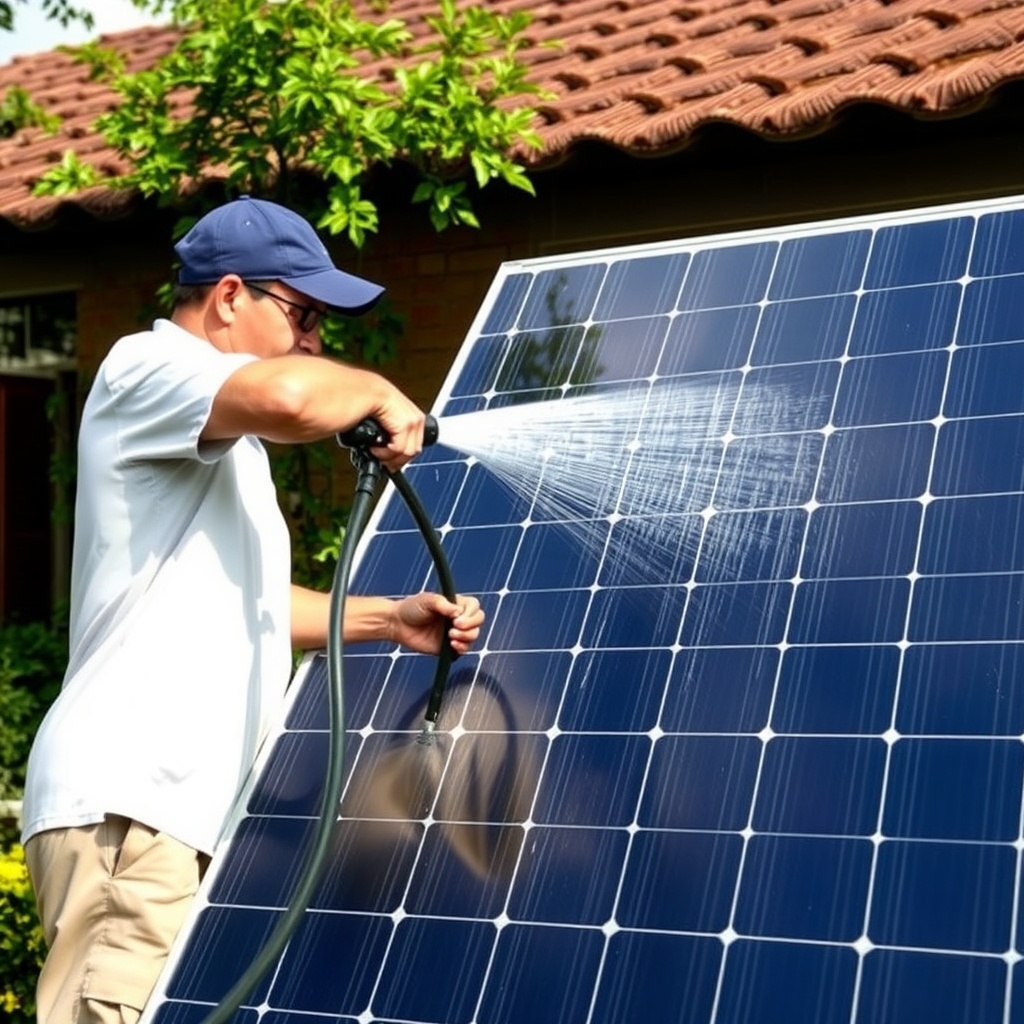
- Physical rinse: After draining the chemical solution, flush with a garden hose from the top header downward. Use a flexible brush (sized for 0.75” tubes) for stubborn deposits.
- UV exposure: Run the pump on a full sunny day for 1 hour after cleaning to UV-sterilize the interior. The heat from the panels (up to 60°C) plus sunlight kills residual spores.
- Prevent recurrence: Install a solar cover on the pool to reduce chlorine consumption, as high chlorine levels accelerate polymer oxidation and increase surface area for algae adhesion.
Interestingly, the Heliocol HC-65 ROI Analysis: Energy Savings and Payback Period shows that algae-clogged panels can reduce heat output by up to 15%, costing the average 4-panel system over AU$120 per year in lost efficiency.
What Do Owners Say About Managing Condensation in the Heliocol HC-65?
Online forums and installer feedback consistently highlight the importance of proactive winterization. A pool owner in Brisbane, Australia, reports: “After three winters of using compressed air drying, I still got condensation spots each spring. Switching to the late-morning pump start cut the issue by 70%.” Another owner in Florida notes: “I replaced my EPDM gaskets every 18 months instead of 3 years. The humidity here is brutal, and it solved my recurring misting inside the panels.”
Common advice from the Heliocol Owners Group (US) emphasizes using a desiccant dryer: “I added a small silica gel cartridge inside the drain valve cap during winter. It absorbs what compressed air leaves behind.” However, industry experts caution against using calcium chloride, as its runoff can deposit corrosive salts. For those who automate, the Heliocol HC-65 Controller Automation: Smart Control Setup and Programming article details how to set a “dry-out cycle” that runs the pump for 5 minutes daily in winter.
On the cost side, a passive owner in Texas estimates they spent AU$0.50 per month on vinegar for flushes, while an active owner using the late-morning scheduling spends nothing extra. The consensus: prevention through proper runtime scheduling is cheaper than chemical remediation.
Frequently Asked Questions
Q1: Can I leave water inside the Heliocol HC-65 during winter in a humid climate?
A1: No—standing water combined with freeze-thaw cycles can crack the polymer headers. In humid zones, even without freezing, water promotes algae growth that clogs the tubes. Drain fully and dry the interior.
Q2: How often should I inspect the EPDM gaskets on the HC-65?
A2: In humid climates, inspect gaskets every spring before the first heating season and every autumn before winterization. Replace them at least every 3 years, or sooner if you see cracking or swelling.
Q3: Does using a pool cover help reduce condensation in the panels?
A3: Indirectly—a cover reduces evaporation from the pool, which lowers ambient humidity around the panels by up to 10%. This decreases the amount of moist air that can enter the system through the vacuum relief valve.
Q4: My HC-65 panels show white mineral deposits after condensation dried. What should I do?
A4: Those are calcium or silica scale. Flush the system with a 1:4 solution of distilled vinegar and water, circulate for 20 minutes, then rinse thoroughly. For severe scale, use a commercial citric acid descaler safe for polymers.
Q5: What is the minimum array pitch to prevent condensation pooling?
A5: A pitch of at least 1° (approximately 2 cm drop per meter) ensures any water flows to the drain valves. Flatter installations require manual drying. For mounting guidance, see the Heliocol HC-65 Flat Roof Mounting Guide: Ballast vs Through-Bolt.
Q6: How does panel sizing affect condensation management?
A6: Oversized arrays (more panels than needed for your pool) run at lower flow rates and higher thermal mass, which can extend the window for condensation. Right-sizing your array using the Heliocol HC-65 Pool Size and Climate Match: Sizing for Optimal Heating guide minimizes this risk.
Managing condensation in the Heliocol HC-65 is about consistent seasonal care rather than complex retrofits. By tailoring your winterization and daily runtime to your local humidity, you keep your system performing at peak efficiency with minimal maintenance. For practical tools on flow rates and pump sizing, refer to the Heliocol HC-65 Minimum Flow Rate and Pump Sizing Guide. Your investment in solar heating will then pay off—regardless of your climate.