Heliocol HC-65 Pool Size and Climate Match: Sizing for Optimal Heating
Selecting the right solar pool heating system is a decision that directly impacts your swimming season, energy bills, and overall satisfaction. The Heliocol HC-65, a high-output unglazed collector panel, demands precise sizing matched to your pool’s volume and your local climate. Undersizing leaves you swimming in chilly water; oversizing wastes money and roof space. This guide provides the practical calculations and climate-specific considerations to determine the perfect HC-65 array for your home.
What Pool Volume Can a Single Heliocol HC-65 Panel Effectively Heat?
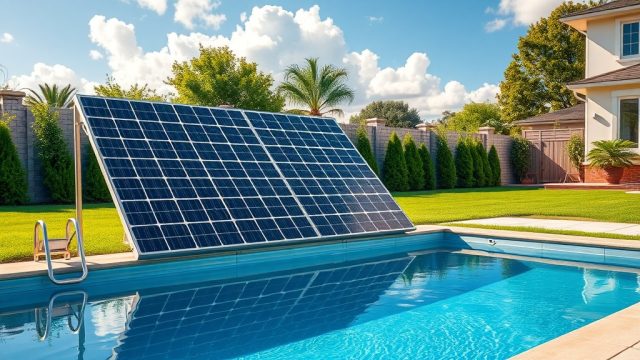
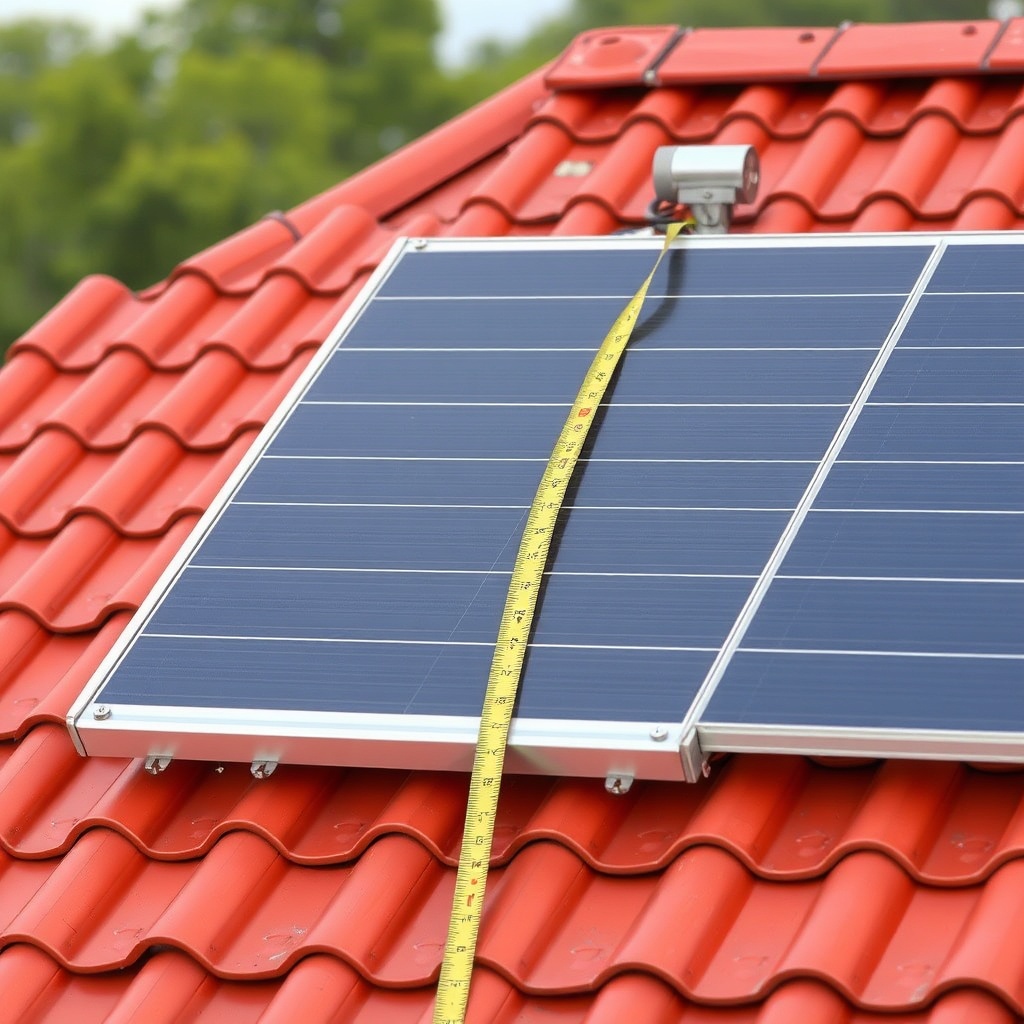
A single Heliocol HC-65 panel measures approximately 1.22 metres by 2.44 metres (4 ft by 8 ft) for a total collector area of about 2.98 square metres (32 square feet). In optimal conditions—full sun, moderate wind, and ambient air temperatures above 21°C (70°F)—one panel can raise the temperature of roughly 4,500 to 5,700 litres (1,200 to 1,500 gallons) of water by 2.2°C to 3.3°C (4°F to 6°F) per day.
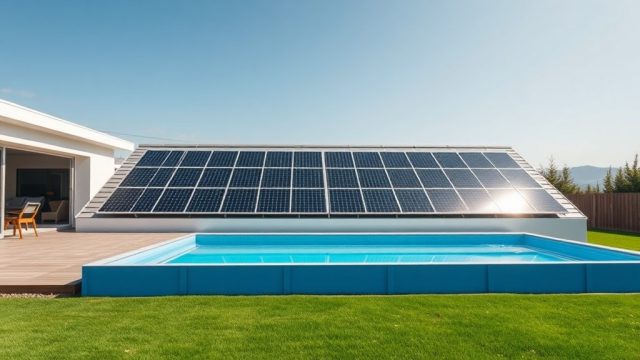
For a typical residential pool in a temperate climate (e.g., UK or northern US), you need to aim for a collector area equal to 50% to 80% of the pool’s surface area. More precisely, in cooler, less sunny regions, you should target 70–80% coverage. In warm, sunny climates (e.g., southern Spain, Florida), 50–60% is often adequate. The Heliocol HC-65 vs HC-50: Comparison Guide for Solar Pool Heating details how this panel’s higher output influences these ratios versus the smaller HC-50.
How Does Climate Zone Affect the Required Number of HC-65 Panels?
Climate is the single largest variable in solar pool heating. The Heliocol HC-65 relies on solar radiation and ambient air temperature; it loses efficiency as wind speed increases and as the difference between pool water temperature and air temperature widens. Below is a reference table for typical UK regions, adjusted for average sunshine hours and ambient temperatures (all prices in GBP £).
| Climate Zone (UK Example) | Average Daily Sun (kWh/m²) | Recommended Panel-to-Pool Ratio | Typical Pool Volume (litres) | Estimated HC-65 Panels Needed | Installed System Cost (GBP) |
|---|---|---|---|---|---|
| South East (London, Kent) | 3.8–4.2 | 60–70% | 45,000 | 10–12 | £5,500–£6,800 |
| South West (Cornwall, Devon) | 3.6–3.9 | 65–75% | 45,000 | 11–13 | £6,000–£7,400 |
| Midlands (Birmingham) | 3.2–3.5 | 75–85% | 45,000 | 13–15 | £7,000–£8,500 |
| North (Manchester) | 2.8–3.2 | 85–100% | 45,000 | 15–18 | £8,000–£10,000 |
| Scotland (Glasgow) | 2.4–2.8 | 100–120% | 45,000 | 18–22 | £9,500–£12,500 |
Notice that in Scotland, you may need more collector area than the pool’s surface area to compensate for fewer sun hours and lower ambient temperatures. This is not unusual for northern climates. Always use local solar insolation data (kWh/m²/day) rather than assuming a one-size-fits-all formula. You can cross-reference with the Heliocol HC-65 Controller Automation: Smart Control Setup and Programming for fine-tuning based on real-time weather data.
How to Calculate the Exact Number of Heliocol HC-65 Panels for Your Pool?
There is a straightforward three-step process that removes guesswork. Follow these steps with your pool’s measurements and local climate data.
Step 1: Measure Your Pool’s Surface Area
For a rectangular pool: Length (m) × Width (m) = Surface area (m²). For a round pool: π × (Radius²) = Surface area. For an irregular shape, break it into rectangles and triangles, then sum the areas.
Step 2: Determine Your Climate Factor
Using the UK as an example, assign a climate factor from the table above. If you live in the Midlands, use a factor of 0.80 (80%). If you are in a very sunny southern region, 0.55 (55%) may be enough. For other countries, consult a solar map (e.g., from the US DOE or EU PVGIS) and adjust: for Florida, factor 0.50; for southern France, factor 0.60; for northern Germany, factor 0.85.
Step 3: Calculate Panel Quantity
Multiply the pool surface area by the climate factor to get the required collector area in square metres. Then divide by the panel area (2.98 m² per HC-65 panel). Round up to the nearest whole panel.
Example: A rectangular pool in the Midlands (UK) measuring 10 m × 4.5 m = 45 m². Factor: 0.80. Required collector area: 45 × 0.80 = 36 m². Panels needed: 36 ÷ 2.98 = 12.08 → 13 panels.
This 13-panel array would cost approximately £7,200–£8,200 installed. For more on the mechanical side of installing that many panels, see the Heliocol HC-65 Flat Roof Mounting Guide: Ballast vs Through-Bolt for roof load considerations.
What If My Roof Space Is Limited? Smaller Pool Considerations
Not every property has the roof area for a large array. For a smaller pool (e.g., 20,000 litres, or about 25 m² surface area in a typical UK garden pool), you might need only 7 to 9 HC-65 panels. However, if your roof faces north or has significant shading, you must increase the panel count further. The key is to ensure that water flows through the panels at the correct rate; if you install too few panels, the system may not capture enough heat even after a full day of sun.
In cases of limited roof space, consider that the HC-65 generates about 10–15% more heat per square metre than standard panels due to its optimised absorber pattern and larger fluid channels. This can be a deciding factor when you are squeezing panels onto a gable or shallow-pitch roof. For detailed hydraulic calculations, refer to the Heliocol HC-65 Minimum Flow Rate and Pump Sizing Guide to avoid starving the panels.
How Does Wind Exposure and Orientation Change Your Panel Count?
Wind is often overlooked but critically degrades unglazed collector efficiency. Heliocol HC-65 panels lose up to 25% of their heat output in winds above 15 mph (24 km/h) because convective heat loss from the absorber surface accelerates. If your property sits on an exposed hilltop, coastal cliff, or open field, you should add 10–20% more panels to compensate. Conversely, a sheltered courtyard shielded by trees and buildings may allow a 10% reduction.
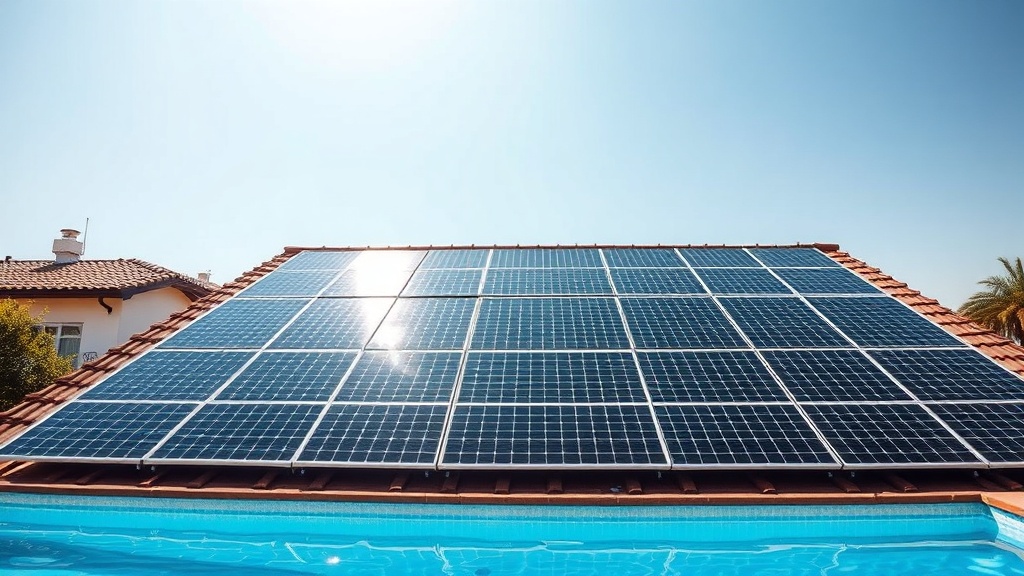
Orientation also matters: South-facing panels at a 30–45° tilt (common for UK roofs) capture maximum radiation. East or west orientations reduce output by 15–25%, requiring extra panels. Flat roofs can be tilted south using ballast mounts; the Heliocol HC-65 Flat Roof Mounting Guide: Ballast vs Through-Bolt covers optimal tilt angles for your latitude. A quick rule: in the UK, tilt panels at latitude –10° for summer bias (roughly 40° tilt) to maximise pool heating during the season you swim.
What Do Owners Say About Heliocol HC-65 Climate Matching?
Real-world feedback consistently praises the HC-65’s robust construction and thermal performance, but owners stress that correct sizing is non-negotiable. One owner in Devon with a 50,000-litre pool installed 14 panels (based on a 70% ratio) and reported extending their swimming season from June–August to May–September, adding about 30 days per year. Another owner in Manchester with a shaded, east-facing roof used 18 panels on a 45,000-litre pool; they note that the system only provides 80% of their desired heat in early spring, but they appreciate the fuel savings.
Many owners highlight the importance of professional load calculation, especially for larger arrays. Several forum posts mention that undersizing by even two panels (e.g., using 10 panels when 12 were recommended) resulted in a pool that never reached 28°C (82°F) in overcast summers. Conversely, oversizing by 20% caused no issues except higher upfront cost. For ROI perspectives, read the Heliocol HC-65 ROI Analysis: Energy Savings and Payback Period—owners report payback periods of 4 to 7 years in the UK, with system lifespans exceeding 20 years.
Frequently Asked Questions
1. Can I install Heliocol HC-65 panels on a north-facing roof?
Yes, but you will need approximately 20–25% more panels than a south-facing installation to achieve the same heat output. The panels will produce less energy per day, so your payback period will extend by about 1–2 years. For the UK, north-facing arrays are generally discouraged unless you have surplus roof space.
2. How much does a full Heliocol HC-65 system cost for an average UK pool?
For a 45,000-litre pool in the Midlands with 13 panels, expect an installed cost of £7,000 to £8,500, including all piping, valves, and a controller. Labour and roof complexity vary regionally. In southern England, installation costs are typically £500–£1,000 lower due to higher contractor density.
3. What is the minimum pool size for Heliocol HC-65 panels?
There is no hard minimum, but panels are most efficient when the water volume is at least 4,500 litres per panel. For a very small pool (e.g., 8,000 litres), you would likely use only two panels. However, a smaller system may not justify the fixed installation and controller costs, so consider a smaller kit like the HC-50 for pools under 15,000 litres.
4. Does wind affect HC-65 panels differently than other solar collectors?
Like all unglazed collectors, HC-65 panels are sensitive to wind. Their heavy-duty polymer construction handles wind loads well structurally, but thermal performance degrades in windy conditions. The system actually benefits from a good breeze on the roof (cooling the panels) if you use a differential thermostat, because the panels can still collect some heat from the air, but convective losses increase dramatically above 15 mph.
5. How many panels do I need for an indoor pool?
Indoor pools lose less heat at night (due to no wind or evaporation) but still need solar heating to offset heat loss through the building envelope. You typically need 40–60% of the surface area in collector coverage, rather than 70–100% for outdoor pools. For example, a 30 m² indoor pool may require 6 to 8 HC-65 panels.
6. Can I mix HC-65 panels with older Heliocol models?
It is possible but not recommended unless you carefully match flow rates. The HC-65 has a higher pressure drop than the older HC-50; mixing them can cause uneven flow and reduce overall efficiency. If you must mix, install a balancing valve kit and consult a professional. The Heliocol HC-65 vs HC-50: Comparison Guide for Solar Pool Heating explains the hydraulic differences in detail.