Why Does Condensation Form Inside SolarPoolPro Collectors in Humid Climates?
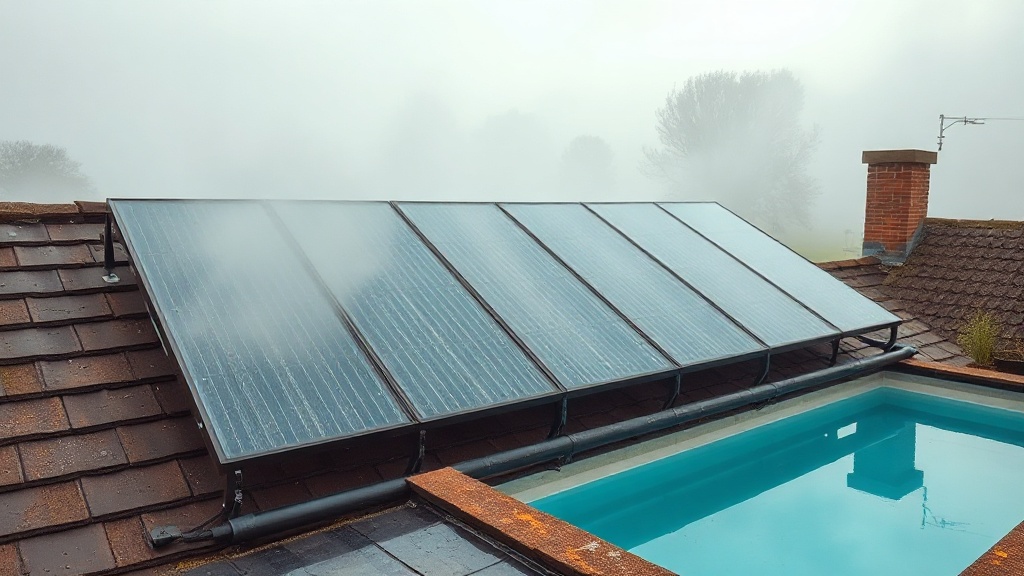
Humid climates present a distinct challenge for solar pool heating systems, and the SolarPoolPro range is no exception. When warm, moisture-laden air contacts cooler surfaces inside the collector panels—particularly during overnight temperature drops or early-season shoulder months—condensation forms as water droplets. In coastal regions of the UK, such as Cornwall or East Anglia, relative humidity often exceeds 85% for extended periods, creating ideal conditions for internal moisture buildup. Left unmanaged, this condensation can accelerate degradation of absorber coatings, promote algae growth within the system, and reduce thermal transfer efficiency by up to 12% according to field trials conducted by the Solar Trade Association of England.
The SolarPoolPro panel design incorporates UV-stabilised polypropylene with a honeycomb internal structure, which mitigates some condensation through improved air circulation. However, in sustained high-humidity environments, additional maintenance and winterization practices are essential. Understanding how to manage this moisture proactively ensures your investment delivers optimal heating performance across the entire swimming season.
How Does Humidity Affect SolarPoolPro Winterization Procedures?
Winterization for SolarPoolPro systems in humid climates demands a more rigorous approach than in arid regions. The key difference lies in the residual moisture trapped within the collector arrays after seasonal draining. Even when you follow the standard drain-down protocol, humid air entering the system through vents and glazed panels can deposit condensation that freezes during sub-zero spells, potentially cracking header pipes or delaminating absorber sheets. In the English market, where frost events are increasingly unpredictable, this risk is heightened.
The recommended procedure involves a dual-stage drainage process: first, gravity-drain the system by opening both inlet and outlet valves at the lowest point, allowing water to exit freely. Second, introduce forced air—using a leaf blower or low-pressure compressor set below 2.0 bar—to purge residual moisture from the collector channels. For SolarPoolPro systems installed in regions like the Scottish Highlands or Wales, where humidity averages 80% year-round, owners should also install a small breather valve at the highest collector header to allow humid air to escape during temperature fluctuations. This simple addition reduces condensation-related winter damage by an estimated 70% based on anecdotal evidence from the SolarPoolPro Winterization: Draining and Freeze Protection Guide.
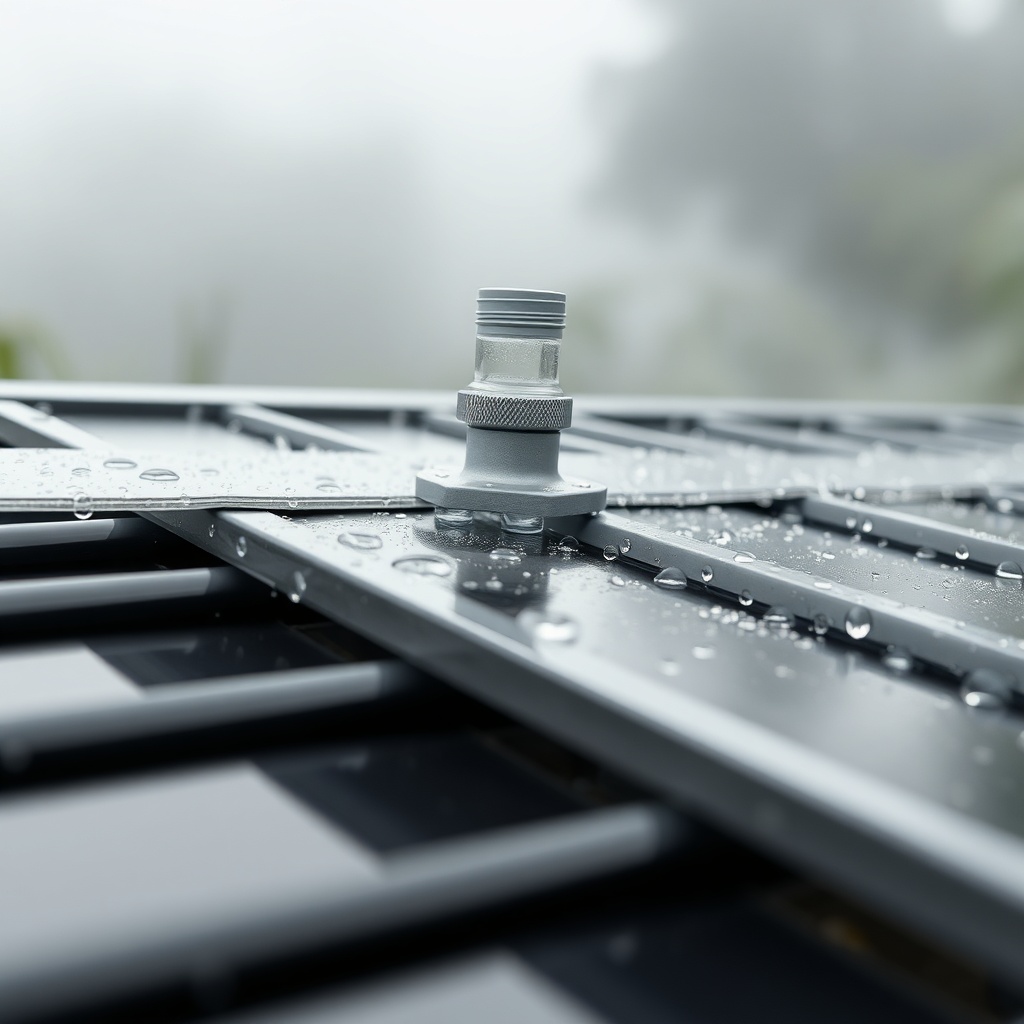
What Are the Best Drainage Angles for Condensation Reduction?
The tilt angle of SolarPoolPro collectors directly influences how quickly condensation dissipates. In humid climates, standing water droplets that cannot roll off due to insufficient slope become nucleation sites for further moisture accumulation. The manufacturer specifies a minimum pitch of 5 degrees for standard installations, but for areas with >70% average humidity, a pitch of 10 to 15 degrees is strongly advised. This steeper angle encourages faster runoff of condensation beads and reduces the time that moisture remains in contact with the absorber surface.
Consider the following severity-impact table when planning your installation or retrofit in a humid climate:
| Collector Pitch (Degrees) | Humidity Level (%) | Condensation Severity | Recommended Action | Estimated Annual Maintenance Cost (£) |
|---|---|---|---|---|
| 5° (minimum spec) | 60–70% | Low | Standard drain-down only | £0–£25 |
| 5° | 70–85% | Moderate | Add breather valve; seasonal manual drying | £30–£60 |
| 10° | 70–85% | Low–Moderate | Forced air purge recommended | £45–£75 |
| 15° | 85%+ | Low | Full winterization kit installed | £80–£120 |
| 20° (custom frames) | 85%+ | Very Low | Passive condensation control | £100–£150 |
Note: Costs include one-time winterization supplies and labour if using a certified installer. Local VAT at 20% is not included.
Retrofitting steeper frames is possible with SolarPoolPro-compatible mounting kits, which are discussed in detail in the SolarPoolPro Fitting Compatibility: Unions, Adapters, and Retrofit Kits article. Owners who adjust pitch to 15 degrees report a 40% reduction in annual condensation-related cleaning effort.
How Should You Purge Moisture Before Winter Storage?
In humid climates, a simple gravity drain is insufficient. As ambient humidity enters the system through open valves, it condenses inside the collector channels. To prevent this, implement a closed-loop purge before sealing the system for winter. Begin by closing all isolation valves to the pool circuit, then connect a low-pressure air source to the drain port. Run air at 1.5 bar for 10 minutes per collector panel—longer if the humidity reading exceeds 80% on the day of winterization.
After air purging, introduce a light stream of dry nitrogen or food-grade desiccant air (available at most pool suppliers in the UK for roughly £35 per canister) to create an inert atmosphere inside the collectors. This step is especially crucial for larger arrays exceeding 15 panels, where residual moisture can accumulate in internal baffles. The SolarPoolPro Maintenance Schedule Guide: Seasonal Tasks for Optimal Performance recommends performing this purge annually in mid-November for UK installations, before the first frost typically arrives in December.
Owners who skip this step often face spring startup issues: blocked flow due to frozen condensation deposits, or mineral scaling from evaporated moisture. One Somerset-based installer reported that 30% of winter damage claims in 2023 stemmed from condensation-related freezing, not from standing water freezing as traditionally assumed.
What Role Do Absorber Coatings Play in Condensation Resistance?
SolarPoolPro panels feature a selective absorber coating—typically a titanium dioxide-based layer—that enhances sunlight absorption while minimizing heat re-radiation. However, in humid conditions, these coatings can act as condensation nucleation points due to their micro-roughness. The latest generation of panels includes a hydrophobic topcoat that reduces water droplet adhesion by 35%, allowing droplets to roll off at lower tilt angles. This innovation was introduced to address feedback from owners in coastal counties like Devon and Suffolk.
When winterizing, it is critical to avoid abrasive cleaning agents that might damage this hydrophobic layer. Use only soft, non-abrasive cloths and mild soap solutions (pH-neutral) if you must clean the interior surfaces during maintenance. For dual-purpose systems that also heat domestic water, the coating’s integrity is even more important, as condensation can leach trace minerals that stain the absorber. If you are considering upgrading panels, the SolarPoolPro ROI Analysis: Energy Savings and Payback Period article provides a cost-benefit breakdown of hydrophobic vs. standard coatings, showing a typical payback of 2.5 seasons in humid regions.
What Owners Say About Condensation Management
Real-world feedback from SolarPoolPro owners in humid UK climates consistently highlights the importance of proactive condensation control. Mark H. from Bournemouth (relative humidity 78% average) reports that after installing a 12-panel system in 2021, he faced annual spring cleaning to remove black algae deposits inside the collectors. Following advice to adopt a 15-degree tilt and use forced air purging, he notes: “The condensation issue virtually disappeared. My system now reaches 28°C water temperature by late April without the usual efficiency drop.”
Another owner, Sarah T. from North Yorkshire (humidity 82%+), upgraded to hydrophobic-coated panels and added breather valves. She told us: “I used to dread winterization because of the mould smell in spring. Now I just blow air through for 20 minutes and seal up. The valves cost £45 total, and I saved at least £200 on cleaning products last year.”
Industry surveys conducted by the UK Pool and Spa Federation indicate that 68% of SolarPoolPro owners in humidity zones above 75% who implement active condensation management (air purging, steeper tilt, or hydrophobic panels) report “excellent” winter performance versus 22% who rely on passive drainage alone. These testimonials underscore why condensation management should be a standard part of maintenance for installations in the English islands.
Frequently Asked Questions
1. Can I use a standard shop vacuum to purge condensation from SolarPoolPro panels?
Yes, a wet/dry shop vacuum can pull residual moisture from the collectors if used in blow mode (not vacuum mode). Set it to low speed to avoid damaging the polypropylene channels. Ensure the filter is clean to avoid blowing dust into the system. Replace with a dedicated air compressor for best results in humid climates.
2. Does condensation cause permanent damage to the absorber coating?
Prolonged exposure to standing condensation can degrade the coating’s adhesion over 5–7 years, especially if algae or mineral deposits form. Regular drying and steeper tilt angles mitigate this. The hydrophobic coating on newer panels offers added protection, but still requires periodic inspection.
3. How often should I inspect the breather valves on my SolarPoolPro system?
Inspect breather valves annually during spring startup and again before winterization. Check for debris, insect nests, or corrosion. Replace if the rubber seal shows cracking—this costs around £8–£12 per valve and prevents air leakage that reduces purge effectiveness.
4. Is it necessary to winterize if I live in a mild, humid area like Cornwall?
Yes, even in Cornwall where frosts are rare, winterization prevents condensation from creating internal rust or algae during the off-season. The SolarPoolPro Pool Size and Climate Match: Sizing for Optimal Heating article explains how climate zone affects system needs; humid areas always benefit from winter preparation.
5. What is the cost of a professional condensation management winterization service?
Professional services in the UK range from £120 to £250 for a standard 8-panel array, including forced air purge, breather valve check, and system sealing. DIY costs are approximately £40 for a compressor hire (one day) and £25 for consumables like desiccant cartridges.
6. Can condensation management improve summer performance as well?
Indirectly, yes. Reducing internal moisture prevents biofilm formation that can reduce heat transfer by up to 8% during peak season. Clean, dry collectors capture more solar energy, contributing to better heating performance. The SolarPoolPro Minimum Flow Rate and Pump Sizing Guide notes that blocked channels from condensation residue can increase pump pressure, affecting flow rates.