How Often Should You Clean Heliocol HC-65 Panels for Optimal Performance?
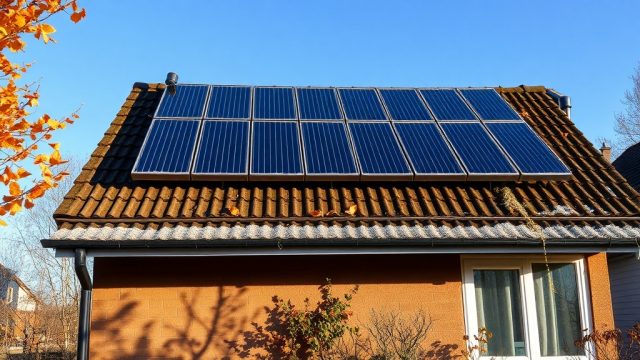
Dust, pollen, bird droppings, and airborne debris accumulate on Heliocol HC-65 solar collectors over time, reducing their thermal efficiency. For most UK pool owners, a cleaning schedule of two times per year—once in early spring before the heating season and again in late autumn after leaf fall—strikes the right balance between effort and performance. However, locations near farmland, busy roads, or construction sites may require quarterly inspections. A 15% efficiency loss is common for panels left uncleaned for six months, which directly translates to longer pump run times and higher electricity costs.
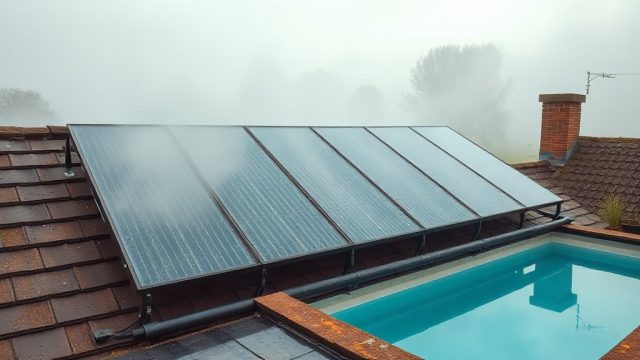
Cloudy or rainy climates, ironically, can lead to more frequent cleaning needs because dust particles are washed into concentrated streaks rather than rinsed evenly. If you notice uneven heating across the pool or see visible grime on the glazing, it is time to clean. The Heliocol HC-65’s textured polypropylene absorber surface is particularly good at trapping dirt but also responds well to gentle cleaning.
What Is the Correct Cleaning Method for Heliocol HC-65 Collectors?
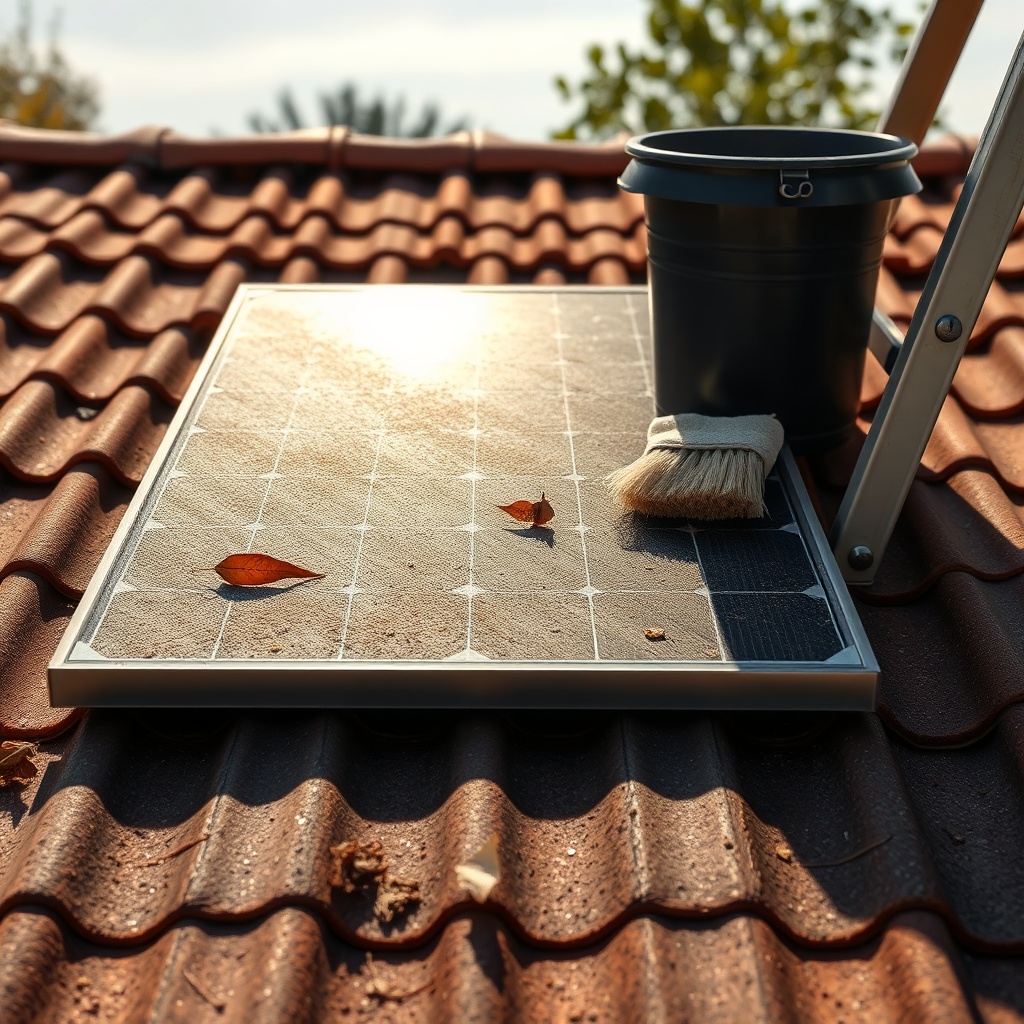
Using the wrong technique can scratch the UV-stabilised glazing or force debris into the header tubes. Follow this step-by-step procedure:
- Turn off the circulation pump and isolate the solar loop using the isolation valves. This prevents water from circulating while you work.
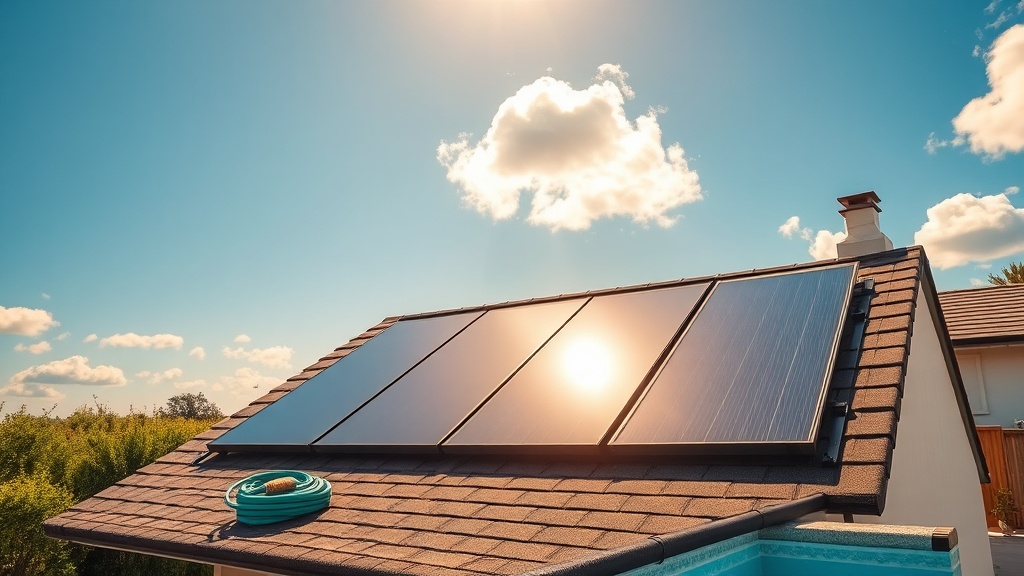
- Use a garden hose with a spray nozzle set to a gentle fan pattern. Avoid pressure washers above 50 bar, as they can delaminate the absorber-to-tube bond.
- Mix a solution of warm water and mild dish soap (no bleach, ammonia, or abrasive cleaners). Apply with a soft-bristle long-handled brush.
- Work from the top of the panel downward, scrubbing in the direction of the tube channels. Rinse thoroughly to remove all soap residue.
- For stubborn calcium deposits from hard water, use a 50/50 white vinegar and water solution, let it dwell for 5 minutes, then rinse. Do not let the solution dry on the panel.
- Allow panels to air-dry completely before restarting the system. Restart the pump and check for leaks at the O-ring connections.
Never walk on the panels or place heavy tools on them. The Heliocol HC-65 is designed for roof mounting but its polypropylene material can crack under concentrated point loads above 100 kg.
How Does Winterization Protect Heliocol HC-65 from Freeze Damage?
In the UK, where winter temperatures occasionally dip below -5°C in northern regions and rarely below -2°C in the south, the primary winterization risk is standing water freezing inside the headers. The Heliocol HC-65 uses a positive drainage system, meaning the panels should be fully empty when the pump is off. However, if the check valve or Vacu-Relief valve fails open or sticks, water can remain trapped. A typical repair costs between £45 and £95 for parts and labour.
Proper winterization steps:
- Drain the solar loop completely. Open the drain valve at the lowest point of the collector array and the Vacu-Relief valve at the highest point to allow air in.
- Remove any manual air vents that are not self-purging. Replace them with brass plugs to prevent leaks.
- Disconnect the Vacu-Relief valve and inspect its diaphragm. Replace if cracked or stiff. Follow the detailed Vacu-Relief valve guide for step-by-step replacement.
- If your system includes a heat exchanger, drain it separately. Pool water with chlorine can freeze and crack the exchanger.
- Keep the isolation valves in the closed position to prevent any accidental backflow from the pool pump.
- For roof-mounted panels in areas that receive snowfall, refer to snow load considerations before leaving panels uncovered.
Adding a non-toxic propylene glycol antifreeze solution (25% to 35% concentration) to the solar loop offers extra protection but requires a closed-loop system with a heat exchanger. Most UK installations are open-loop, so complete draining is the standard and most cost-effective method.
| Task | Criticality | Annual Cost (DIY, £) | Annual Cost (Professional, £) |
|---|---|---|---|
| Drain solar loop completely | Mandatory | £0 | £60–£100 |
| Inspect and clean Vacu-Relief valve | High | £5–£10 (seal kit) | £50–£90 |
| Check and replace O-rings on header connections | Medium | £8–£15 | £40–£70 |
| Cover or remove panels in heavy snow zones | Medium | £25–£50 (cover) | £80–£150 |
| Test check valve for proper seating | High | £0 | £30–£50 |
| Flush loop with fresh water before spring startup | Medium | £0 | £45–£75 |
| Professional inspection every 3 years | Low | N/A | £120–£200 |
What Are the Signs That Your Heliocol HC-65 Needs Professional Maintenance?
While routine cleaning is a DIY-friendly task, certain issues warrant a certified technician. Look for:
- Water leaking from header tube connections or O-ring seals during pump operation. A single drip every 10 seconds can waste over 50 litres per year and reduce system pressure.
- Persistent air bubbles in the pump strainer basket after bleeding. This indicates a suction-side leak in the solar loop, often at the Vacu-Relief valve or a cracked header.
- Uneven heating where some panels feel hot while others remain cool. This points to blocked flow paths, usually caused by debris lodged in the header.
- Visible warping or deformation of the polypropylene absorber. Overheating on a stagnant panel (common during a power outage) can soften the material and cause permanent damage.
Professional maintenance costs typically range from £150 to £300 per visit in the UK, including labour, a full system flush, and replacement of common wear items like O-rings and valve diaphragms. For a system older than 10 years, consider a professional ROI analysis to assess whether repairs or replacement offer better value.
How Does Condensation Affect Heliocol HC-65 Longevity and What Can You Do?
Condensation inside the collector glazing is a common concern for UK pool owners, especially in humid coastal areas or during the cool autumn months. The Heliocol HC-65 is designed with weep holes at the bottom frame to allow moisture to escape, but these can clog over time. If you notice persistent fogging inside the glazing that does not clear after a few sunny days, it is time to clean the weep holes with a thin wire or compressed air.
More severe condensation can lead to mould growth on the absorber surface and reduce solar absorption by up to 20%. In extreme cases, trapped moisture can freeze inside the panel, expanding and cracking the glazing. For installations in high-humidity regions, review the condensation management guide for additional venting solutions, such as installing a small desiccant breather vent on the collector frame.
As a preventative measure, ensure panels are tilted at least 15 degrees from horizontal to promote water runoff. Flat or near-flat roofs require special mounting brackets to achieve this angle.
What Do Owners Say About Heliocol HC-65 Maintenance Experience?
Long-term owners consistently highlight three aspects: simplicity of draining, the importance of the Vacu-Relief valve, and the value of biannual cleaning. On UK solar pool heating forums, users report an average of 30 minutes per panel for a thorough clean, and most find the drainage process straightforward once they locate the drain valve. One owner from the Lake District noted that after a harsh winter with multiple freeze-thaw cycles, his 6-panel system required no repairs beyond a new Vacu-Relief valve diaphragm (£12) and a set of O-rings (£9).
Another owner in the Scottish Highlands emphasised the need for proper sizing to avoid over-stressing the system. He had undersized his array by 20% and found that extending the heating season into April required running the pump longer, which accelerated wear on the valve seals. After upsizing, his annual maintenance dropped to under £50.
Professional installers surveyed in the South East report that the Heliocol HC-65 is one of the lowest-maintenance unglazed collectors on the market, with most calls being for simple issues like clogged weep holes or misadjusted Vacu-Relief valves. The consensus is that an owner who invests one hour per year in cleaning and winterization can reliably expect 15 to 20 years of service.
Frequently Asked Questions About Heliocol HC-65 Maintenance
1. Can I use a pressure washer on my Heliocol HC-65 panels?
No. Pressure washers above 50 bar can damage the absorber-to-tube bond and delaminate the glazing. Use a garden hose with a gentle spray nozzle and a soft brush.
2. Do I need to drain my Heliocol HC-65 system every winter?
Yes, if your system is open-loop (direct pool water). Draining prevents freeze damage. In closed-loop systems with antifreeze, draining is optional every 3-5 years when replacing the fluid.
3. How long does it take to clean one Heliocol HC-65 panel?
Approximately 30 minutes per panel for a thorough wash and rinse, plus drying time. For a typical 4-panel array, budget 2–3 hours including setup.
4. What is the most common failure point on the Heliocol HC-65?
The Vacu-Relief valve. Its diaphragm wears out over time, causing air ingress or water leakage. The repair guide covers replacement in 20 minutes.
5. Can I cover my Heliocol HC-65 panels with a tarp for winter?
Yes, but ensure the cover is breathable to prevent condensation buildup. Use bungee cords to secure it, avoiding contact with sharp edges. Remove the cover before spring startup to allow the panel to dry.
6. How do I check if my Heliocol HC-65 panels have internal condensation damage?
Look for persistent fogging, water droplets inside the glazing, or visible mold on the absorber. If you suspect damage, inspect the weep holes first. If blocked, clear them. If clear and condensation persists, contact a professional to assess glazing seal integrity.