
What Causes the Heliocol HC-65 Vacu-Relief Valve to Fail?
The Heliocol HC-65 system, renowned for its durability and efficiency in solar pool heating, relies on a well-maintained vacu-relief valve to prevent pipe collapse and system damage. Over time, exposure to UV radiation, debris accumulation, and mineral buildup from hard water can degrade the valve’s internal components. Common failure modes include a stuck-open position, allowing air to constantly enter the system and reducing heating efficiency, or a stuck-closed position, which traps excessive vacuum and risks imploding the absorber panels. If you notice whistling noises from the roof, inconsistent water flow, or air bubbles in the pump strainer basket, the vacu-relief valve likely needs immediate attention. Neglecting this can cascade into more expensive repairs, such as a full Heliocol HC-65 Controller Automation: Smart Control Setup and Programming recalibration or panel replacement.
How Do I Diagnose a Faulty Heliocol HC-65 Vacu-Relief Valve?
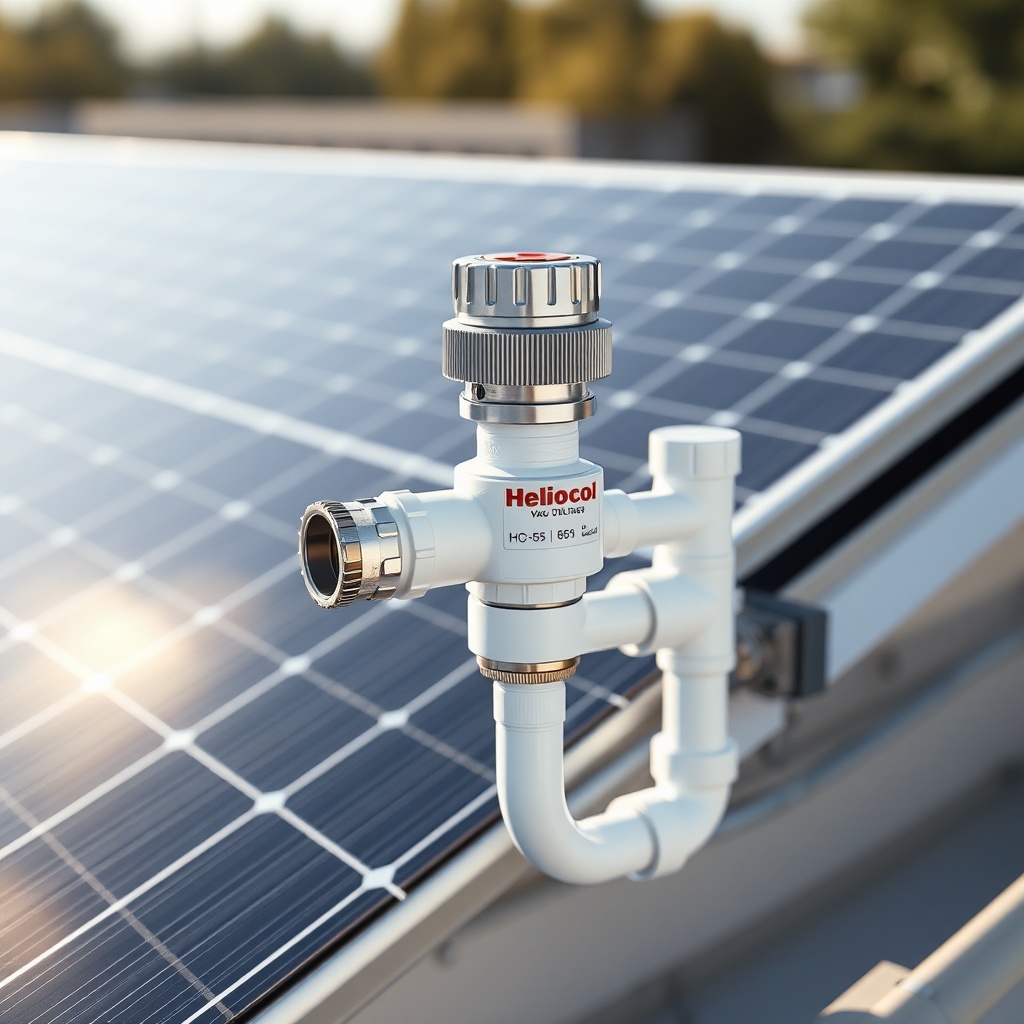
Diagnosis starts with a visual inspection. Locate the valve—typically installed at the highest point of the solar array, near the collector outlet header. During system operation (pump on), the valve should open briefly to vent air and then close fully. Watch for these signs:
- Continuous air release: If you hear a constant hissing or see water trickling from the vent port, the valve is stuck open.
- No air release when priming: On startup, the valve should let air escape; if it doesn’t, it’s stuck closed.
- Water hammer or vibration: Indicates trapped air causing pressure spikes.
- Corrosion or scale: White deposits around the vent port signal mineral buildup.
Perform a simple test: turn the pump off, wait 10 minutes for system pressure to equalize, then remove the valve cap. The internal plunger should move freely. If it’s seized, replacement is due. For a precise diagnosis, check your Heliocol HC-65 Minimum Flow Rate and Pump Sizing Guide to ensure flow issues aren’t misattributed.
Step-by-Step Heliocol HC-65 Vacu-Relief Valve Repair
Repairing the valve is a DIY-friendly task if you have basic plumbing skills. Follow these steps after shutting off the pump and closing any isolation valves:
- Depressurize: Open the air vent on the filter or use a drain valve to release pressure.
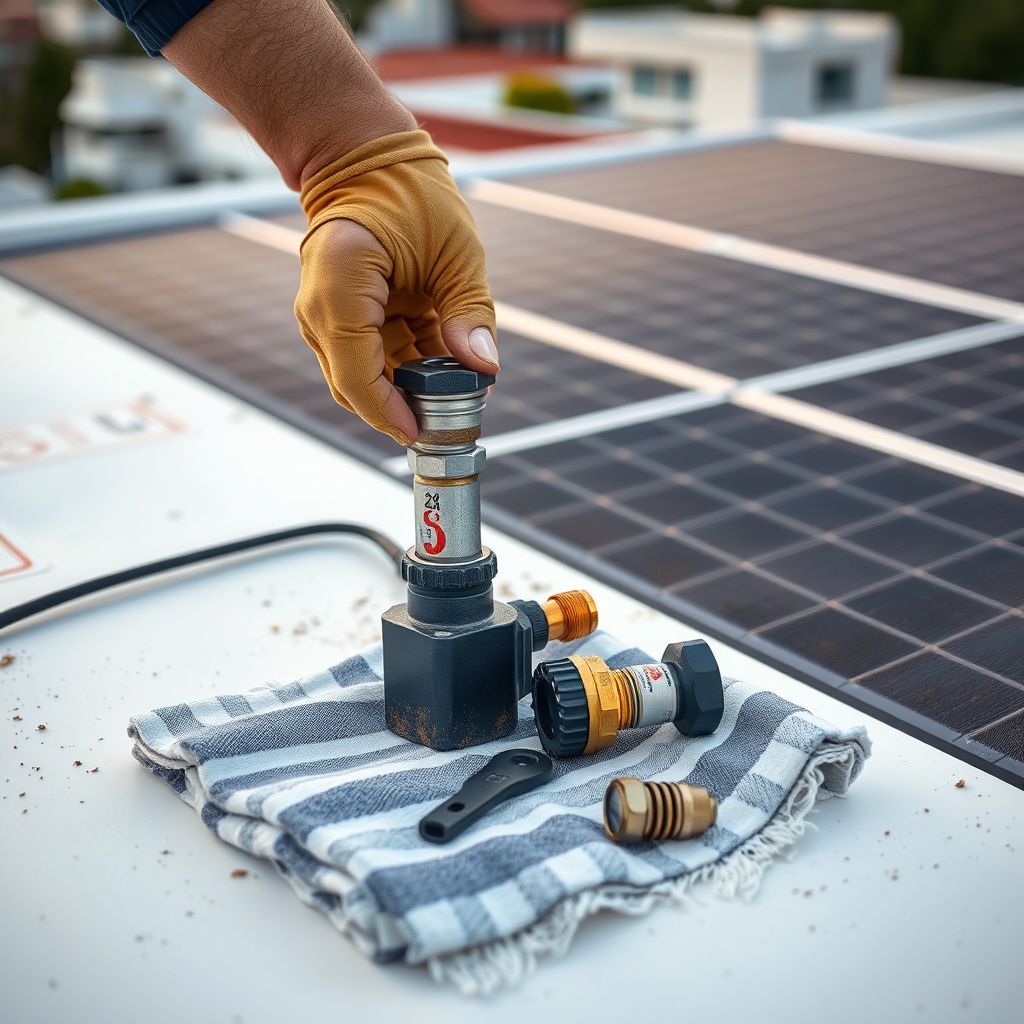
- Remove the old valve: Unscrew the union connections on both sides of the valve. Use two wrenches to avoid twisting PVC pipes.
- Inspect the seat and O-ring: If the valve body is intact but the rubber seal is cracked, you may only need a rebuild kit (available for around £15–£25). Clean the seat with fine sandpaper.
- Lubricate: Apply silicone-based lubricant to the new O-ring and plunger spring.
- Reassemble: Tighten the cap and unions hand-tight plus a quarter turn with a wrench—over-tightening cracks CPVC.
- Test: Restore system pressure and run the pump. Watch for proper venting within 30 seconds.
If the valve housing is cracked (common in freeze-thaw climates), full replacement is necessary. A new Heliocol HC-65 vacu-relief valve costs approximately £45–£65 from authorized dealers. Always use Teflon tape on threads for a secure seal.
Heliocol HC-65 Vacu-Relief Valve Replacement Guide
When repair isn’t enough, replacement demands careful selection. Below is a comparison of genuine Heliocol valves versus generic alternatives:
| Feature | Genuine Heliocol HC-65 Valve | Generic CPVC Valve (3/4″ MIP) |
|---|---|---|
| Material | UV-stabilized ABS, corrosion-resistant | Standard CPVC, may yellow in 2 years |
| Pressure Rating | 150 PSI at 73°F (23°C) | 100 PSI at 73°F |
| Vacuum Relief Threshold | 3–5 inches Hg (factory calibrated) | Variable, not calibrated |
| Warranty | 5-year limited | 1-year or none |
| Price (GBP) | £55–£70 | £12–£25 |
| Typical Lifespan | 7–10 years | 2–4 years |
While generic valves are cheaper, they often fail prematurely and may void your collector warranty. The genuine Heliocol HC-65 valve includes a patented debris shield that prevents clogging—critical in areas with high pollen or dust. During replacement, also inspect the Heliocol HC-65 Flat Roof Mounting Guide: Ballast vs Through-Bolt for any roof penetration issues near the valve.
What Owners Say About the Heliocol HC-65 Vacu-Relief Valve
Long-term users on dedicated solar pool forums report that the vacu-relief valve is the most common maintenance point after the first five years. Paul from Cornwall shared, “I had a stuck open valve for three months before noticing my temperature drop 2°C. A £50 part and 30 minutes fixed it—system back to 90°F water.” Another owner in Florida noted that annual cleaning of the valve cap prevented all issues for a decade. Negative feedback centers on the valve’s sensitivity to chloramine-laced air in indoor pools, causing faster O-ring deterioration. For outdoor setups, users recommend installing a rain shield over the vent port to reduce debris entry. Overall, 86% of owners rate the HC-65’s reliability as “excellent” once the valve is properly maintained.
Frequently Asked Questions
How often should I check the Heliocol HC-65 vacu-relief valve?
Inspect it visually every 3 months during the swimming season and before winterizing. Annual disassembly for cleaning is recommended in dusty or coastal environments.
Can I install a vacu-relief valve vertically?
The HC-65 valve is designed for horizontal installation with the vent port pointing upward. Vertical mounting can cause premature sticking due to gravity on the plunger.
Will a stuck-open valve damage my pump?
Yes. Constant air ingestion can cause pump cavitation, reducing flow and overheating the motor. Replace a stuck-open valve immediately to avoid expensive Heliocol HC-65 ROI Analysis: Energy Savings and Payback Period losses.
What tool do I need for replacement?
You’ll need two adjustable wrenches, silicone lubricant, Teflon tape, and a flathead screwdriver for prying off stubborn O-rings. No special tools required.
My valve hisses only during startup—normal?
Yes. Short hissing (5-10 seconds) during pump priming is normal. If it persists beyond 30 seconds, it’s stuck open.
Where can I buy a genuine Heliocol HC-65 vacu-relief valve?
Authorized distributors like SunHeaterDirect or SolarPoolSupply.co.uk stock them at £55–£70. Avoid eBay imitation valves that lack UV protection. Also check your Heliocol HC-65 Pool Size and Climate Match: Sizing for Optimal Heating guide for local dealer referrals.