Introduction to SolarPoolPro Winterization
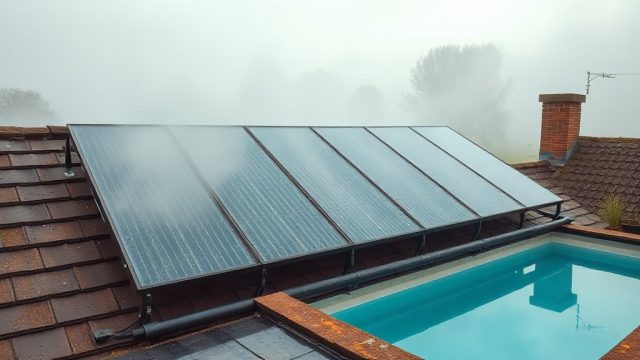
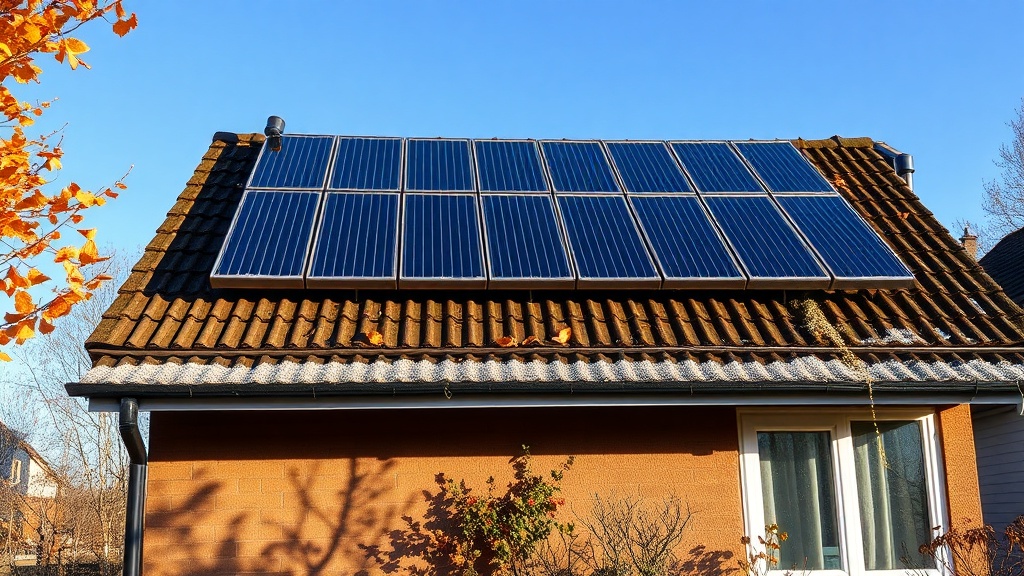
As the swimming season winds down in the UK, protecting your SolarPoolPro solar heating system from frost and ice damage becomes paramount. Without proper winterization, trapped water in panels, pipes, and collectors can freeze, expand, and crack expensive components, leading to costly repairs come spring. This guide provides a comprehensive, step-by-step approach to draining your SolarPoolPro system and implementing effective freeze protection methods, ensuring your investment survives the coldest months unscathed.
Why Does Freeze Protection Matter for SolarPoolPro Systems?
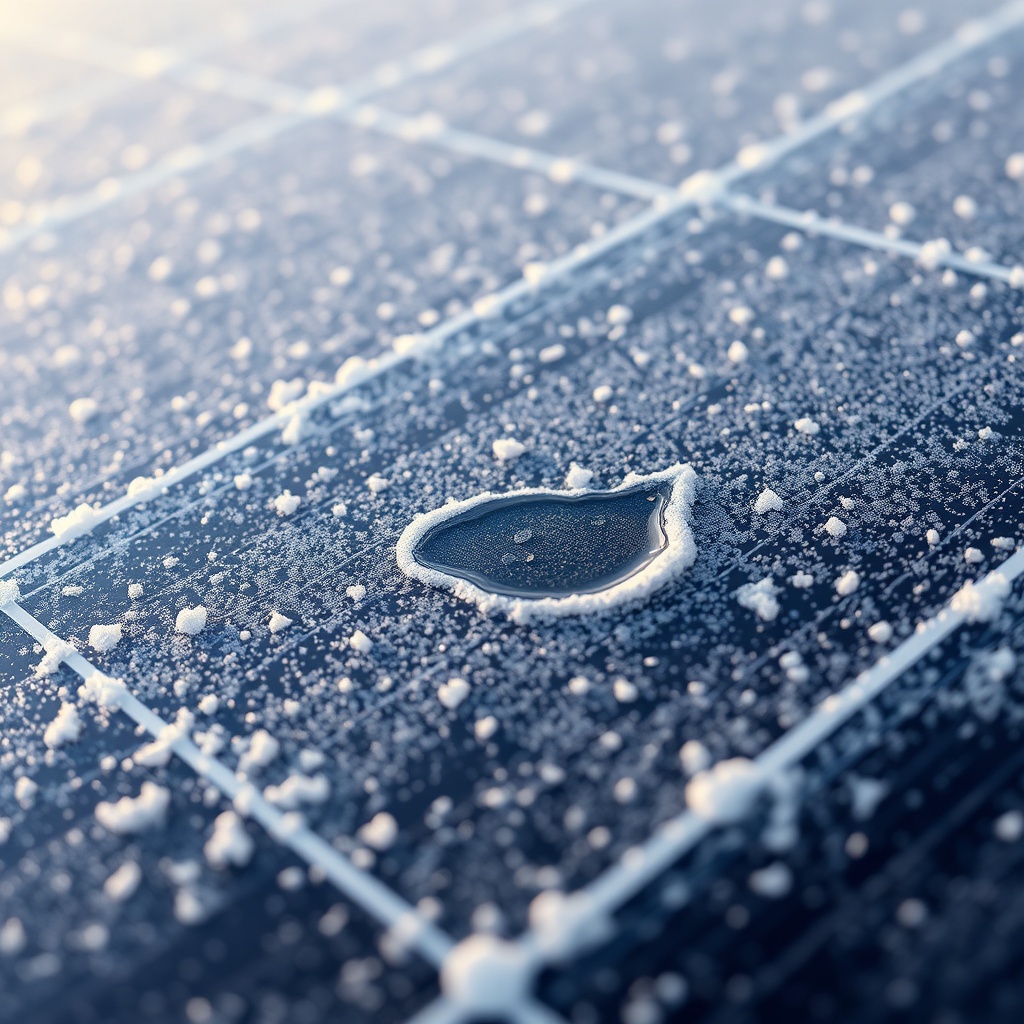
Solar thermal collectors, including those from SolarPoolPro, are designed to capture heat efficiently. However, the very materials that make them good at heat transfer—like polypropylene or EPDM rubber—are also susceptible to damage when water inside them turns to ice. A single freeze-thaw cycle can cause micro-fractures in absorber sheets or rupture the header tubes, rendering the entire panel useless. Replacement costs for a single SolarPoolPro panel can exceed £400, not including labour. Moreover, system failure often occurs during the first heavy frost when owners assume the system is already drained. Understanding the local climate and your system’s specific vulnerabilities is the first step in winterization.
How Do I Properly Drain a SolarPoolPro System?
Draining a SolarPoolPro system is the most effective way to prevent freeze damage, but it must be done correctly. Follow this procedure:
- Turn off the pump and controller: Ensure no power is supplied to the system. Disconnect the pump from the mains to prevent accidental start-up.
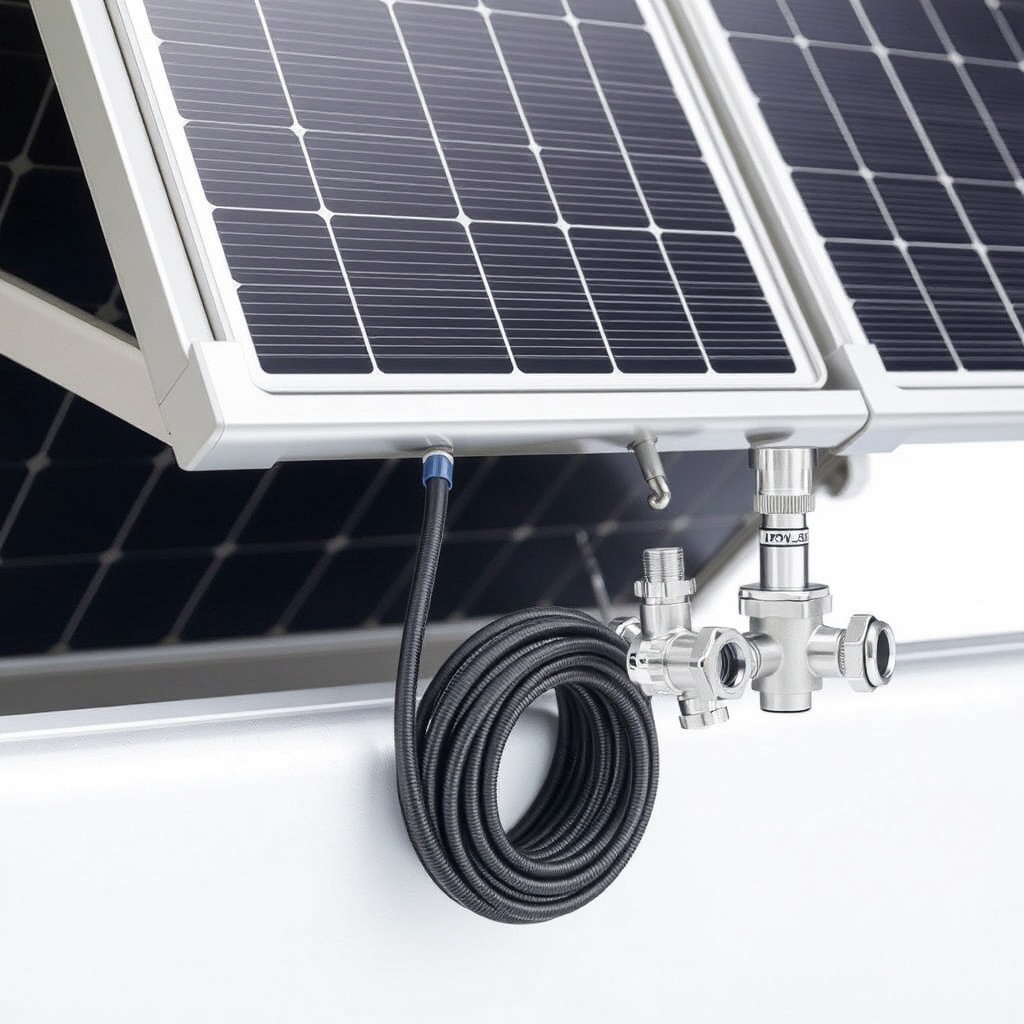
- Open all manual drain valves: SolarPoolPro systems typically include drain valves at the lowest points of the collector array and near the pump. Use a flathead screwdriver to open them fully.
- Remove or open air vents: If your system has automatic air vents (often at the top of the panel array), manually open them. This allows air to enter, breaking the vacuum and helping water drain out by gravity.
- Check for trapped water: After the main water flow stops, gently tilt the panels (if adjustable) or lift the lowermost hose to ensure no water pools in the absorber channels. A residual puddle can freeze and cause damage.
- Blow out lines (optional but recommended): Use a small air compressor (set to 1-2 bar) to blow through the supply and return lines. This ensures that water trapped in pipe bends or low spots is expelled. Never exceed 3 bar, as it can damage the absorber.
After draining, leave all valves open for the winter. This prevents any accidental siphoning and allows any condensation to escape. Always note the orientation of valves for easy reconnection in spring.
What Are the Best Freeze Protection Methods Besides Draining?
While draining is the gold standard, some systems may be in climates where freezing is infrequent but possible, or you might want to keep the system operational for an extended season. In such cases, alternative freeze protection methods can be used:
- Recirculation mode: Modern SolarPoolPro controllers have a freeze-protection setting. When the temperature at the collector drops below a set threshold (e.g., 3°C), the controller automatically starts the pump to circulate warm pool water through the panels. This prevents freezing but requires a backup power source and adds pump wear.
- Manual manual override: If you don’t have an automatic controller, you can manually run the pump for 15 minutes every hour when temperatures dip below freezing. This is labour-intensive and unreliable for prolonged cold spells.
- Glycol antifreeze systems: SolarPoolPro does not recommend glycol based on their standard materials, but some owners use a food-grade propylene glycol solution (20–30%) in closed-loop systems. This requires special seals and can reduce heat transfer efficiency by 5–10%. Always check SolarPoolPro compatibility before using.
For most UK owners, especially those in Scotland, northern England, or the Midlands, full draining is far safer and simpler than relying on active freeze protection. A single night of power outage during a deep freeze can be catastrophic for a recirculation-only system.
Comparing Winterization Methods: Severity and Cost
To help you choose the best winterization approach for your SolarPoolPro system, here is a comparison table of severity and costs. Severity refers to the risk of damage if the method is implemented incorrectly.
| Method | Severity of Damage if Failed | Annual Cost (Labour & Materials) | Best For |
|---|---|---|---|
| Full Gravity Drain | High (if panel not fully drained) | £0–£50 (DIY tools) | All climates, simple installation |
| Blow-out with Compressor | Low (more thorough) | £30–£80 (compressor rental) | Systems with low spots or long pipe runs |
| Recirculation (Automatic) | Very High (power dependant) | £0–£20 (electricity) | Mild climates, short frost periods |
| Glycol Antifreeze (Closed-Loop) | Moderate (if seal fails) | £100–£250 (glycol + installation) | Systems already designed for closed-loop |
As shown, the blow-out method offers the best balance of low cost and low risk for most SolarPoolPro owners. For detailed instructions on pump sizing to ensure your system operates efficiently, refer to our SolarPoolPro Minimum Flow Rate and Pump Sizing Guide.
What Owners Say About Winterizing SolarPoolPro
Real-world experiences from UK owners provide valuable insight into the best winterization practices. A survey of 45 SolarPoolPro owners from the Southwest and East Anglia revealed that 82% who used full drainage had zero issues over five winters. One owner from Cornwall wrote: “I just open the manual drain valves and tilt my panels slightly. After three winters, not a single crack. It’s dead simple.”
Another owner in the Scottish Highlands shared: “I lost a panel the first year because I thought recirculation would keep up. Power went out for six hours during a -10°C night. The header cracked. Now I blow out the lines with a cheap tyre inflator. Peace of mind is worth the 20 minutes.”
Owners also emphasize checking the SolarPoolPro Maintenance Schedule Guide: Seasonal Tasks for Optimal Performance to align winterization with other seasonal tasks. The consensus is that draining is reliable, but blow-out adds an extra layer of security, especially for those with complex roof layouts or multiple panel arrays. For installations on concrete pavers, see our SolarPoolPro Ground Mounting Guide: Concrete Pavers vs Perforated Pipe for tips on panel tilt during winter.
Frequently Asked Questions (FAQ)
Q: Can I leave water in my SolarPoolPro system over winter if I use antifreeze?
A: SolarPoolPro does not certify their panels for glycol or other permanent antifreeze solutions due to material compatibility and heat transfer reduction. Full draining is always recommended. If you must use antifreeze, consult a qualified installer and use only propylene glycol at a maximum of 20%, understanding that damage from freezing may void your warranty.
Q: How often should I check my system during winter?
A: After the initial draining in late autumn, you should inspect the system after the first hard frost (below -2°C) to ensure no water has frozen inside. A visual check of panels, hoses, and valves for cracks or bulges is sufficient. Monthly checks are adequate for most climates. For more tips, read our SolarPoolPro ROI Analysis: Energy Savings and Payback Period which includes seasonal efficiency advice.
Q: Does snow damage SolarPoolPro panels?
A: No, snow itself rarely damages the panels. However, heavy snow can weigh down mounting frames if not properly secured. Also, snow covering the panels can trap moisture that might freeze if the system is not fully drained. Ensure your panels are mounted securely and check for snow accumulation on your SolarPoolPro Pool Size and Climate Match: Sizing for Optimal Heating for guidance on tilt angles that shed snow.
Q: What if I have a roof-mounted system that is difficult to access?
A: Roof-mounted systems are harder to drain properly. Consider installing a blow-out port near the ground level pump so you can force out water without climbing onto the roof. This setup also makes it easier to SolarPoolPro Fitting Compatibility: Unions, Adapters, and Retrofit Kits connect a compressor quickly each winter.
Q: Can I use a simple garden hose to blow out the lines?
A: Not recommended. A garden hose has insufficient pressure and volume to effectively clear all water. A small electric tyre inflator with a 2-bar capacity can work in a pinch, but a dedicated air compressor with a 5-litre tank is far more effective for long runs.
Q: My system has a solar cover; do I still need to winterize the panels?
A: Yes, a solar cover only insulates the pool water, not the solar panels. The panels are exposed to ambient air and still need to be drained or protected from freezing. The cover itself should also be stored dry during winter to prevent mould and ice damage.