Heliocol HC-65 Troubleshooting: Common Issues and DIY Fixes
Solar pool heating is a reliable way to extend the swimming season, but even the robust Heliocol HC-65 can develop issues over time. This guide covers the most common problems owners face, from pressure drops to winter damage, and provides practical fixes you can perform yourself. By understanding these troubleshooting steps, you can keep your system operating efficiently and avoid unnecessary service calls.
Why Is My Heliocol HC-65 Not Heating the Pool Water?
If the solar panels are getting sun but the pool temperature isn’t rising, the issue is often with water flow or controller settings. Start by checking the pump strainer basket and skimmer—clogged debris reduces flow through the collectors. Ensure the automatic diverter valve is set to “Solar On” and that the controller’s temperature differential (typically 3–5°C) is correct. If the panels are hot to the touch but water isn’t circulating, you may have a stuck vacu-relief valve or a closed isolation valve.
For a deeper dive into proper sizing that affects heating output, read our guide on Heliocol HC-65 Pool Size and Climate Match: Sizing for Optimal Heating. An undersized array will struggle to raise temperature, while an oversized one can cause overheating.
How Do I Fix Water Leaks at the Manifold or Tube Connections?
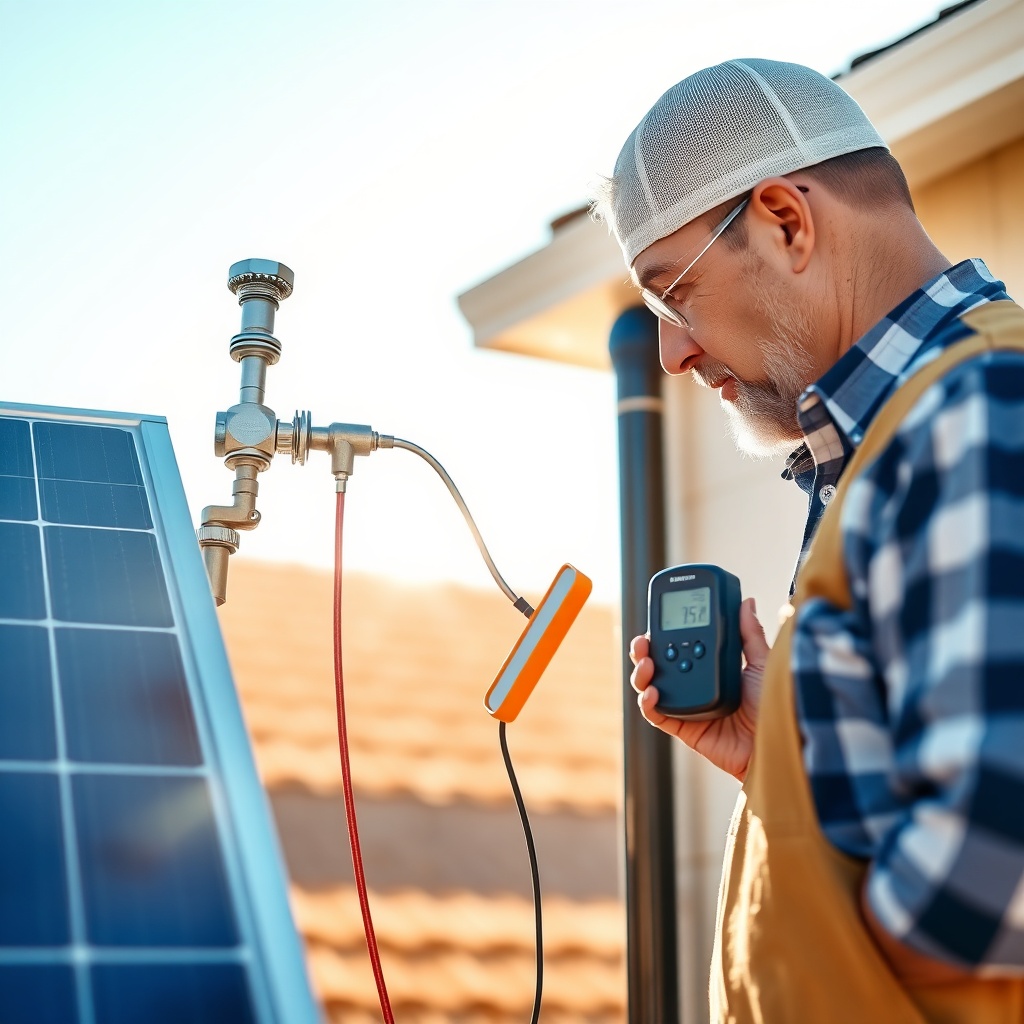
Leaks are the most common service call for Heliocol HC-65 systems. They typically occur at O-ring seals in the manifold headers or where the polymer tubes snap into the header bar. For minor drips, try tightening the union nuts by hand (do not use tools that could crack the plastic). If the leak persists, the O-ring may be deformed or contaminated. Remove the tube, clean the groove, and replace the O-ring using a silicone-based lubricant rated for pool chemicals.
- **Manifold end caps:** Check for cracks from UV exposure or freeze damage. Replace if brittle.
- **Tube-to-header connections:** Ensure the locking clip is fully engaged. Use a flashlight to inspect for gaps.
- **Threaded fittings:** Apply Teflon tape or pipe dope only on male threads. Overtightening can cause cracks.
If you live in a humid climate, condensation inside the tubes can mimic leaks. Learn more about this in Heliocol HC-65 Condensation Management in Humid Climates.
Why Is My System Losing Pressure or Showing Air in the Pump?
Air in the system reduces heat transfer and can damage the pump. Common causes include a failing vacu-relief valve (VRV) that draws in air instead of water, or a suction-side leak at the pool pump. To diagnose, look for bubbles at the pump lid while the system runs. If bubbles appear when the solar valve opens, the VRV is the likely culprit. The VRV is designed to collapse if the system overheats, but it can develop pinhole leaks over time.
| Symptom | Likely Cause | DIY Fix Cost (GBP) | Time Required |
|---|---|---|---|
| Air bubbles only with solar on | Vacu-relief valve leaking | £15–£25 (new O-ring or valve) | 30 minutes |
| Constant air in pump basket | Suction-side leak (pipe or fitting) | £5–£10 (Teflon tape or sealant) | 1 hour |
| System loses prime overnight | Check valve stuck or missing | £30–£60 (replacement valve) | 45 minutes |
For detailed VRV troubleshooting, see Heliocol HC-65 Vacu-Relief Valve Repair and Replacement Guide.
How to Diagnose and Fix Freeze or Snow Damage on the Panels?
Heliocol HC-65 panels are made from polypropylene, which can become brittle in extreme cold. If you live in an area with occasional snow or frost, inspect for hairline cracks along the collector tubes, especially at the ends where water expands. For minor cracks, use a two-part epoxy designed for polypropylene (e.g., Devcon Plastic Welder). Apply it dry and allow 24 hours to cure before pressurizing the system. If multiple tubes are cracked, panel replacement is more cost-effective.
When mounting panels on a pitched roof, snow load can stress the frame. Read about proper installation in Heliocol HC-65 Snow Load Considerations for Pitched Roof Mounting. Even a small snow drift can block panels and cause uneven pressure.
What Causes Black Staining or Algae Inside the Tubes?
Black or green staining inside the collector tubes is usually caused by stagnant water combined with high iron or manganese levels. This is not a leak—it’s a biofilm or mineral deposit that reduces heat absorption. The fix involves flushing the system with a mild acid solution (pH 2–3) after isolating the panels. Use a pump to circulate a 50/50 mix of white vinegar and water for 30 minutes, then rinse thoroughly. For severe cases, use a commercial pool stain remover formulated for solar panels.
To prevent recurrence, maintain proper water chemistry (pH 7.4–7.6, TA 80–120 ppm). Regularly clean the panels as outlined in Heliocol HC-65 Maintenance: Cleaning and Best Practices for Longevity. If you have a well water source, consider a pre-filter to reduce iron.
What Owners Say About Heliocol HC-65 Reliability and Fixes
Long-time owners consistently note that the Heliocol HC-65 is a durable system when properly maintained, but the two most mentioned pain points are the vacu-relief valve (VRV) and O-ring failures. One owner from Essex reported that after five years, a £20 VRV replacement fixed a persistent air problem. Another from Cornwall recommended adding a pressure gauge before the solar return line to catch flow issues early. Many praise the DIY-friendly design—most repairs require only a screwdriver and a new O-ring kit. The common refrain is “check the VRV first.”
Several users on forums note that annual cleaning with a mild detergent prevents the black staining, especially in hard water areas. The consensus is that the panels themselves are robust, but the small plastic fittings are the weak link. Investing in a spare O-ring kit (about £35) is wise for any owner.
Frequently Asked Questions
How often should I replace the O-rings on my Heliocol HC-65?
Inspect O-rings annually, typically before the swimming season. Replace them every 3–5 years, or sooner if you see cracks, flattening, or leaks. Sun exposure and chemicals accelerate wear.
Can I use standard PVC glue on Heliocol HC-65 panels?
No. The panels are polypropylene, so PVC glue won’t bond. Use a polypropylene-specific adhesive or two-part epoxy designed for plastic welding. For manifold repairs, replace the entire section if possible.
Why does my solar controller show “Flow Error” even when the pump is running?
This usually means the flow sensor is blocked or the check valve isn’t opening. First, clean the sensor. If the error persists, check that the vacu-relief valve isn’t stuck open, which allows air into the system.
How do I winterize my Heliocol HC-65 system in cold climates?
Drain the panels by opening the bottom drain ports and the vacu-relief valve. If you live in an area with hard freezes, blow out the lines with compressed air (30 PSI max) to remove residual water. Do not use antifreeze unless specified by the manufacturer.
What is the warranty on Heliocol HC-65 panels?
The standard warranty is 10 years for materials and workmanship, and 20 years for performance (the panels must deliver at least 90% of original efficiency). Check your local distributor for validity.
Can I add more panels to my existing Heliocol HC-65 system?
Yes, but you must ensure your pump and plumbing can handle the increased flow. The general rule is a maximum of 8 panels per 2.2 kW pump. Consult our sizing guide at Heliocol HC-65 Pool Size and Climate Match: Sizing for Optimal Heating before expanding.