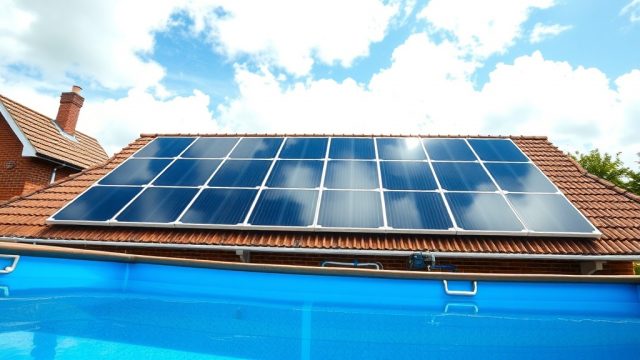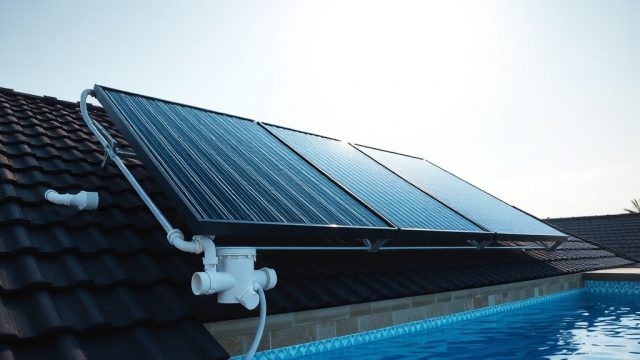
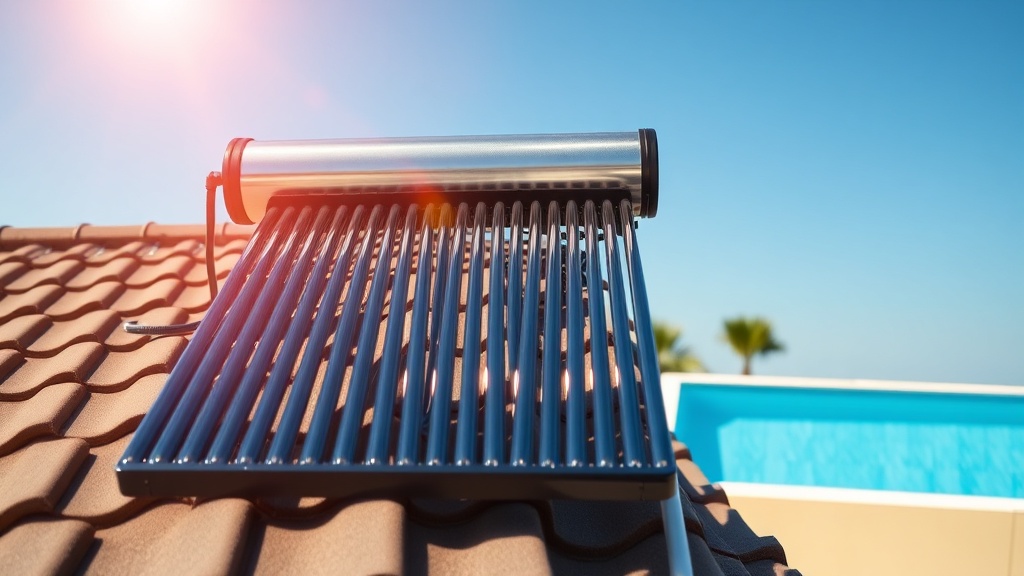
Proper pump sizing is critical for any solar pool heating system, and the Heliocol HC-50 is no exception. An undersized pump means poor flow, reduced heat transfer, and potential damage to the panels; an oversized pump wastes energy and can over-pressurize the system. This guide explains exactly what flow rate the HC-50 needs and how to select the right pump for your installation.
What is the Minimum Flow Rate for a Single Heliocol HC-50 Panel?
The Heliocol HC-50 panel requires a minimum flow rate of 0.4 gallons per minute (GPM) per square foot of collector area. Since each HC-50 panel has a gross area of 50 square feet, the minimum flow for one panel is 20 GPM. This ensures adequate turbulent flow through the absorber tubes to prevent stagnation and maintain efficient heat transfer. For optimal performance, Heliocol recommends a design flow of 0.6 GPM per square foot, or 30 GPM per panel. Operating below the minimum flow rate can lead to uneven heating, air pockets, and reduced collector lifespan.
How Does Panel Quantity Affect Total Flow Requirements?
The total flow requirement scales linearly with the number of panels. For a system with multiple HC-50 panels plumbed in parallel, simply multiply the per-panel minimum by the panel count. Here is a quick reference table:
| Number of HC-50 Panels | Minimum Flow Rate (GPM) | Recommended Flow Rate (GPM) |
|---|---|---|
| 2 | 40 | 60 |
| 4 | 80 | 120 |
| 6 | 120 | 180 |
| 8 | 160 | 240 |
Remember that these figures assume the panels are in a single bank with balanced headers. If your layout is split into multiple roof sections or has long pipe runs, add 10-15% to the flow values to compensate for friction losses.
What Pump Size Should You Choose for Your HC-50 System?
Pump sizing involves two numbers: flow rate (GPM) and head pressure (feet). For a typical residential HC-50 installation with 4 panels (120 GPM recommended flow), a 1.5 HP pump is usually sufficient if the total dynamic head (TDH) is under 40 feet. For larger systems (6 panels or more), a 2 HP pump becomes necessary. Here is a severity table to help you evaluate your current or planned pump:
| Symptom / Condition | Severity |
|---|---|
| Flow meter reads below 20 GPM per panel after priming | Needs attention soon – risk of panel damage and voided warranty |
| Flow meter reads 20-25 GPM per panel; system heats slowly | Usually not urgent – acceptable lower-end performance |
| Pump motor runs hot or cycles on thermal overload | Needs attention soon – likely undersized or obstructed |
| Audible water noise or vibration from the filter or panels | Usually not urgent – check for air; may be normal at high flow |
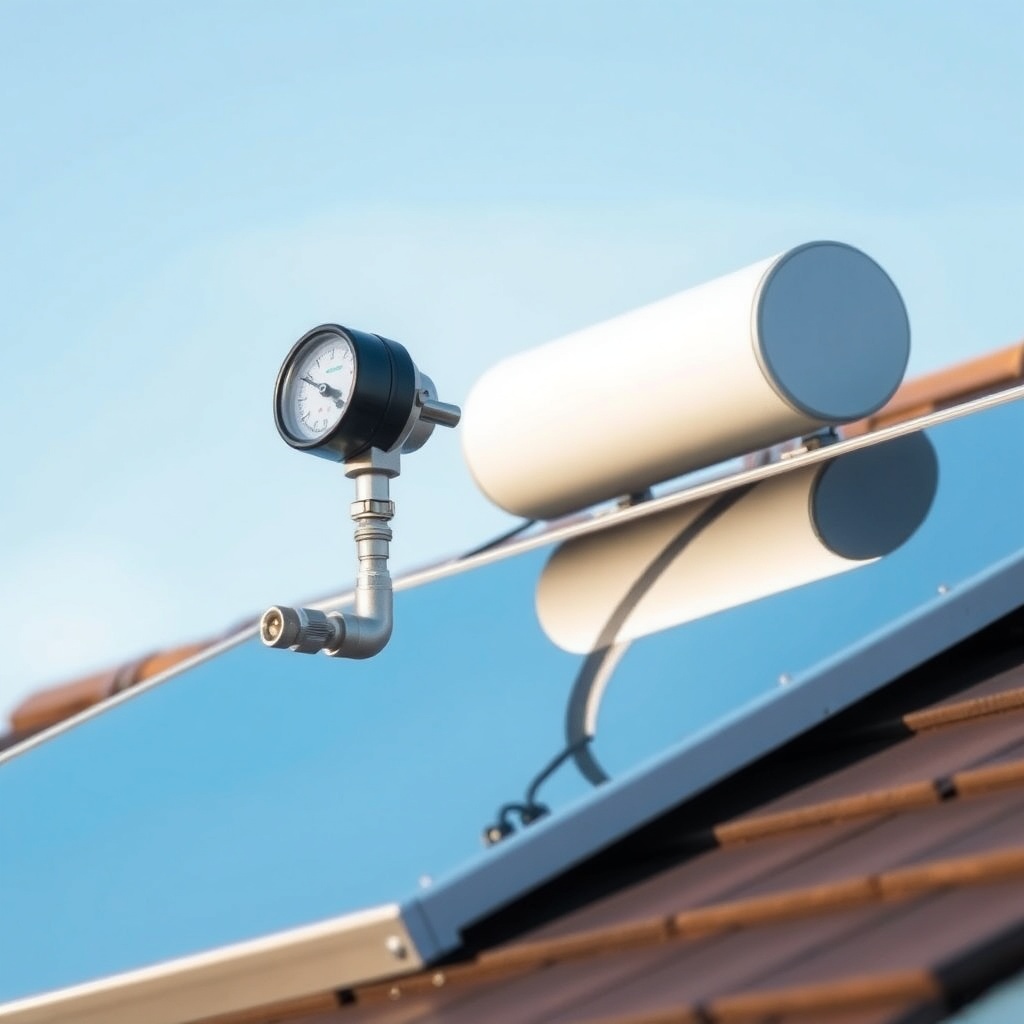
| Pressure gauge at filter reads over 30 psi during operation | Needs attention soon – excessive backpressure, reduce pump speed or check restrictions |
| Slight gurgling sound after pump turns off | Usually not urgent – normal air purging if system drains back |
When selecting a new pump, always refer to the pump curve chart from the manufacturer. Choose a pump that delivers the required GPM at the TDH of your specific plumbing layout. For a straightforward 4-panel setup with 50 feet of 2-inch pipe, a 1.5 HP two-speed pump set to high is a safe starting point.
How Does Pipe Diameter Impact Pump Sizing for the HC-50?
Pipe diameter strongly affects friction loss, which in turn influences pump head requirements. For HC-50 systems with up to 4 panels (120 GPM), 2-inch PVC is the standard. At this flow, 2-inch pipe creates about 4 feet of head loss per 100 feet of pipe. If you use 1.5-inch pipe instead, friction loss jumps to roughly 12 feet per 100 feet, potentially requiring a 2 HP pump even for a modest 4-panel system. For 6-8 panels (180-240 GPM), step up to 2.5-inch or even 3-inch pipe on the long runs to keep head losses manageable. A general rule: size the main supply and return lines so that velocity stays below 6 feet per second to minimize erosion and noise.
What Are the Consequences of an Incorrectly Sized Pump?
Running an undersized pump on your HC-50 system has three major negative outcomes. First, low flow leads to a higher temperature rise across each panel, which can cause the absorber tubes to expand unevenly and eventually crack or develop pinhole leaks. Second, the heat output drops sharply because the lower flow rate reduces the convection coefficient between the water and the absorber. Third, the pump runs longer to compensate, actually increasing electrical costs while delivering less heat. An oversized pump, on the other hand, wastes electricity and can create enough head pressure to blow apart glued joints or damage the panel headers. Stick to the recommended 30 GPM per panel for the best balance of performance and longevity.
How to Measure and Verify Flow Rate on an Installed HC-50 System
The easiest way to confirm your pump is delivering the correct flow is with an inline flow meter installed on the return line from the solar array. Budget at least £40-70 for a good-quality 2-inch flow meter. After the system primes and stabilizes, record the reading. Compare it to your target: 30 GPM per panel (recommended) or 20 GPM minimum. If the reading is low, check for a dirty filter, closed valves, or a clogged pump impeller. If those are fine, the pump may be undersized. For systems without a flow meter, you can estimate by timing how long it takes to fill a 5-gallon bucket from a hose bib after the pump—but this is less reliable.
What Owners Say
Installing the HC-50 and sizing the pump right is something many owners highlight. One owner in Arizona with a 4-panel system reported, “I started with a 1 HP pump and barely got 18 GPM per panel. Swapped to a 1.5 HP two-speed and now I see 28 GPM on high speed—system heats much faster.” Another owner in Florida with 6 panels shared, “My contractor initially suggested a 2 HP pump, but I insisted on checking the pump curve. He used 2.5-inch pipe, and the 1.5 HP handles it fine at 24 GPM per panel. Saved me over £200 on the pump.” A third owner cautioned, “Don’t trust the pump label alone. I installed a ‘1.5 HP’ that actually delivered only 15 GPM at my 45-foot head. Always cross-check with the performance curve.”
Frequently Asked Questions
Q: Can I use a variable-speed pump with the HC-50?
A: Yes, a variable-speed pump is an excellent choice. Set it to deliver the recommended 30 GPM per panel at the required head. Running at lower speeds when solar is not needed saves energy, but always ramp up to the full flow when the solar valve opens to maintain proper heat transfer.
Q: What happens if I only run at the minimum 20 GPM per panel?
A: The system will still collect heat, but efficiency drops by about 20-30% compared to running at the recommended 30 GPM. Your pool will warm slower, and the panels may experience uneven heating, which slightly shortens their lifespan. It is acceptable for occasional use but not ideal for full-time operation.
Q: Do I need a check valve on the solar return line?
A: Yes, install a swing check valve between the solar panels and the return to the pool. This prevents water from draining back through the pump at night and stops heat loss when the pump is off. Ensure it is the same diameter as your supply line.
Q: My pump is oversized; can I throttle the flow with a valve?
A: Avoid throttling on the discharge side of the pump to reduce flow. This increases pump head and can cause cavitation or overheating. Instead, use a bypass loop with a balancing valve, or replace the pump with a properly sized unit. Variable-speed pumps are the best solution.
Q: What is the maximum flow rate a Heliocol HC-50 panel can handle?
A: The manufacturer does not specify an absolute maximum, but most installations cap flow at 45 GPM per panel. Exceeding this can cause excessive pressure and mechanical stress on the panel headers. For a 4-panel system, that means staying under 180 GPM total for the array.
Q: Do I need to pressure-test my plumbing after sizing the pump?
A: Yes, it is wise to pressure-test the entire solar loop once the pump is installed and operating. Run the pump for 30 minutes and check for leaks at all joints, especially the panel headers. Fix any drips immediately to prevent air ingress.