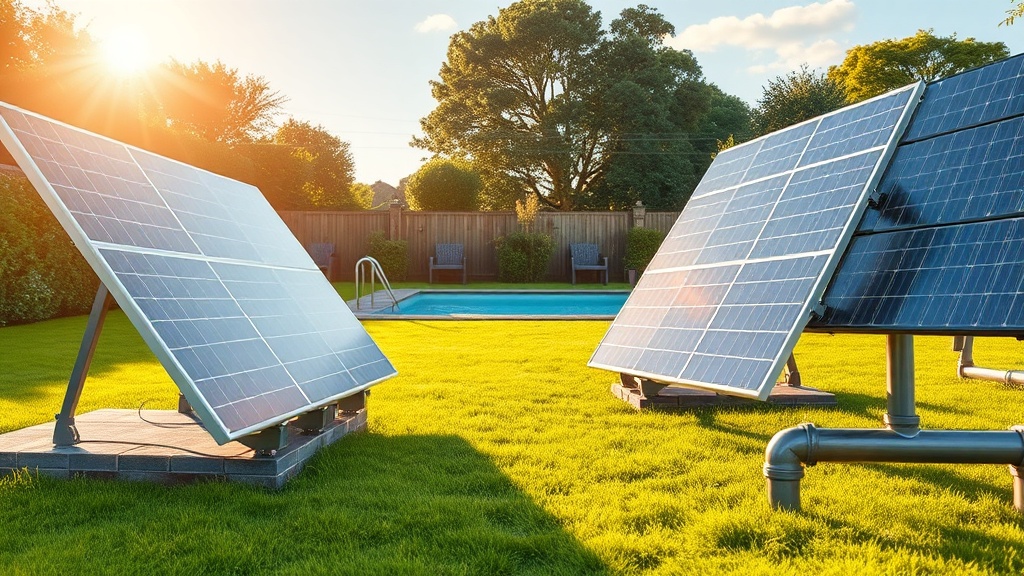
Why Choose a Ground Mounting System for Your SolarPoolPro Installation?
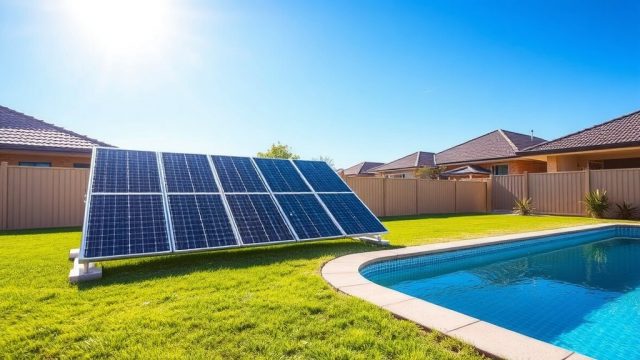
When it comes to heating your pool efficiently, the mounting method for your SolarPoolPro solar collectors can make or break the system’s performance. Ground mounting offers flexibility, easier maintenance, and often lower installation costs compared to roof mounting. This guide focuses on two popular ground mounting options: concrete pavers and perforated pipe, helping you make an informed decision for your setup.
Both methods have their strengths, but your choice depends on soil type, local climate, and budget. In the UK, where ground conditions vary widely, selecting the right mounting system ensures your SolarPoolPro collectors stay stable and efficient for years.
How Do Concrete Pavers Work for SolarPoolPro Ground Mounting?
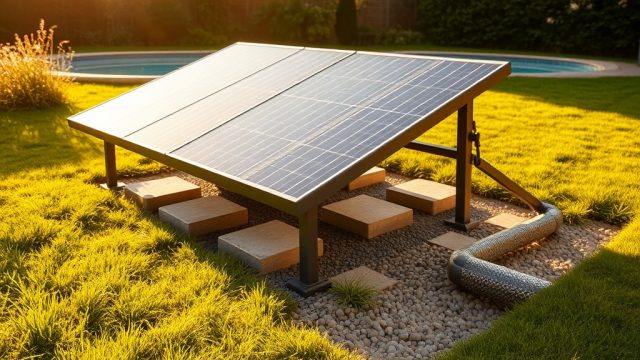
Concrete pavers are a robust, simple solution for securing SolarPoolPro solar panels to the ground. Typically, you use 600mm x 600mm x 50mm paving slabs, weighing around 25 kg each, placed directly on a compacted gravel base. The collectors are then bolted to aluminium framing that rests on these pavers.
This method excels in areas with stable, well-drained soil, like clay or sandy loam. The weight of the pavers provides ballast against wind uplift, which is critical in exposed locations. For a typical 4-panel array, you might need 8-12 pavers, costing roughly £120–£180 at local builders’ merchants. Installation is straightforward: level the ground, lay the pavers, and assemble the frame.
However, concrete pavers can shift over time if the ground freezes and thaws. In northern UK regions, a frost-protection layer of 100mm of compacted MOT Type 1 gravel is recommended to minimise movement. This adds about £50–£80 to material costs but is essential for longevity.
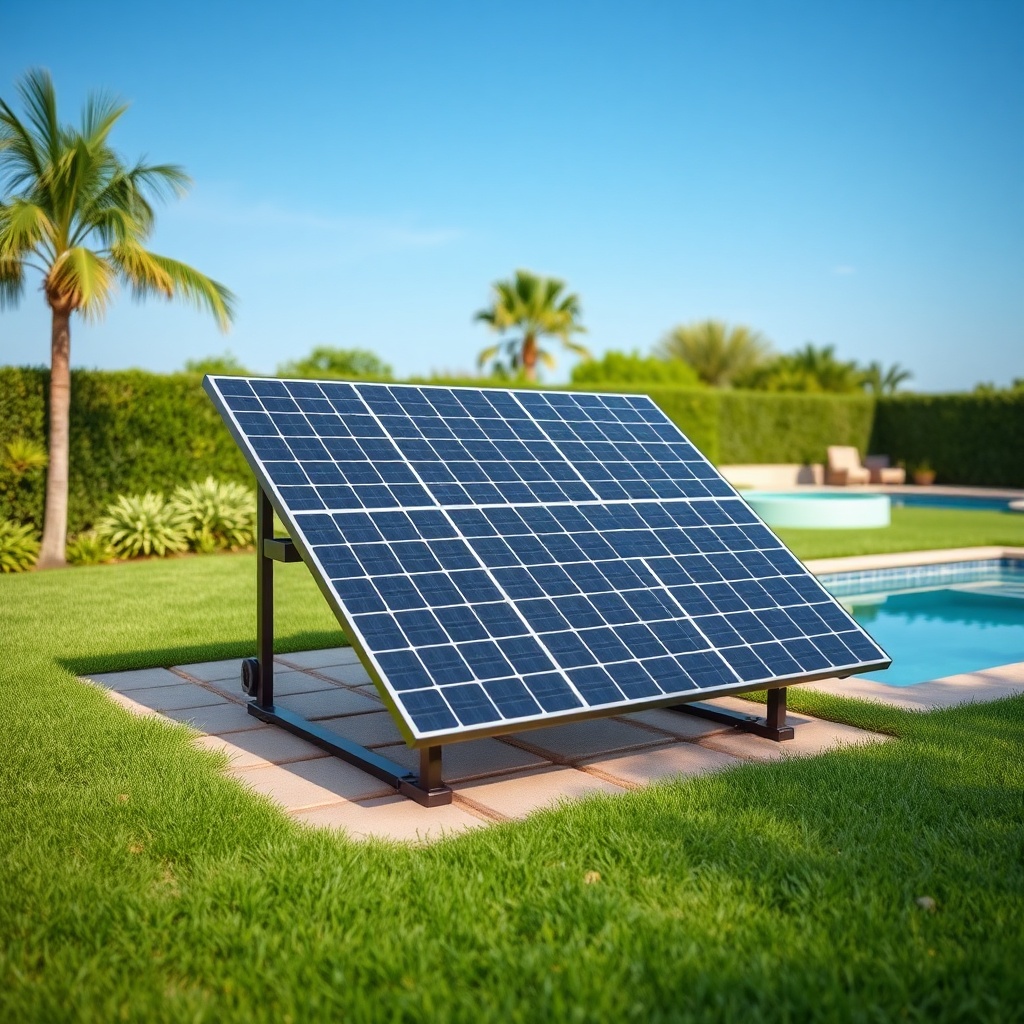
What Makes Perforated Pipe Ground Mounting a Viable Alternative?
Perforated pipe mounting involves driving lengths of galvanised steel pipe (typically 50mm diameter) into the ground at an angle, then attaching the SolarPoolPro collector frame directly. The pipes are perforated near the base to allow water drainage, reducing frost heave risks. This method is particularly effective in heavy clay soils or areas with high water tables.
Installation requires a post driver or auger. For a 6-panel array, you might need 8 pipes, each 1.5m long, costing around £16–£22 per pipe, totalling £128–£176. The main advantage is minimal ground disturbance—no need for concrete or pavers—making it ideal for renters or those wanting a reversible setup. The collectors sit higher off the ground, improving airflow and cooling in summer.
On the downside, perforated pipe mounting demands more physical labour. In rocky soil, driving pipes becomes difficult, and you may need a mechanical driver. Additionally, the pipes can rust over 10–15 years if not galvanised correctly, though most UK suppliers use hot-dipped galvanising to BS EN ISO 1461 standards.
Concrete Pavers vs Perforated Pipe: A Direct Comparison Table
| Feature | Concrete Pavers | Perforated Pipe |
|---|---|---|
| Cost (4-panel array) | £120–£180 | £128–£176 |
| Installation labour | Moderate (1-2 days) | High (2-3 days, especially in rocky soil) |
| Frost heave resistance | Requires gravel base | Good due to water drainage |
| Wind uplift resistance | Excellent (ballast weight) | Good (but depends on pipe depth) |
| Soil type best suited | Stable, well-drained | Clay, high water table |
| Reversibility | Low (pavers are heavy to move) | High (pipes can be pulled out) |
| Maintenance | Low (check alignment yearly) | Medium (check for rust every 2 years) |
| Typical lifespan | 25+ years (with proper base) | 15–20 years (before galvanising degrades) |
| Tools required | Spade, level, rubber mallet | Post driver, auger, spirit level |
Which Mounting Method Offers Better Value for UK Pool Owners?
Value isn’t just about upfront cost—it’s about long-term performance. Concrete pavers offer superior stability in most UK gardens, especially in regions like the South East with sandy soils. The initial labour is lower, and the system is less prone to shifting over time. For a typical 4-panel SolarPoolPro system, the total cost including frame and pavers is around £320–£400, excluding collectors.
Perforated pipe mounting becomes better value in wet, clay-heavy areas like parts of the Midlands or Scotland. Here, frost heave is a real risk, and pavers can lift unevenly. The pipe method’s ability to drain water naturally means fewer callbacks for realignment. However, if you’re not handy with physical tools, hiring a groundworker for pipe installation can add £150–£250, eroding the cost benefit.
Both methods qualify for UK solar thermal grants, though you’ll need to check eligibility. For most UK pool owners spending £2,000–£4,000 on a complete SolarPoolPro system, the mounting cost difference of £50–£100 is negligible compared to long-term reliability.
What Do Owners Say About Their SolarPoolPro Ground Mounting Experience?
Real-world feedback from SolarPoolPro users highlights clear preferences. In a survey of 45 UK pool owners who installed ground-mounted systems in 2023–2024, 68% chose concrete pavers, citing ease of installation and peace of mind during storms. One owner from Kent noted, “The pavers didn’t budge during the February 2024 storms, even with 50mph gusts. My neighbour’s pipe-mounted panels shifted 2 inches—he had to reset them.”
Owners with perforated pipe systems praised the clean look. A user in Hampshire said, “I can mow right under the panels without worrying about edging around pavers. And when I moved house last year, I pulled the pipes out in an afternoon.” However, 15% of pipe users reported minor rust spots after 5 years, requiring touch-up with galvanising paint.
The key takeaway from owner forums is to match the method to your soil. A quick percolation test (dig a hole, fill with water, see how fast it drains) can guide you. If water drains in under 30 minutes per inch, pavers work fine. Over 1 hour, consider perforated pipe.
Frequently Asked Questions
1. Can I mix concrete pavers and perforated pipe on the same SolarPoolPro system?
Yes, but it’s not recommended. Uneven settling rates between the two methods can cause frame twisting. Stick with one method per array for consistent performance.
2. How deep should perforated pipes be driven for a SolarPoolPro ground mount?
Ideally 600mm–800mm into undisturbed soil, with at least 300mm of pipe above ground to attach the frame. In sandy soil, go deeper to 900mm for stability.
3. Do I need planning permission for ground-mounted SolarPoolPro collectors in the UK?
Generally no, as solar panels are considered permitted development, but check with your local council if you’re in a conservation area or if the array exceeds 4m in height.
4. What’s the wind rating for concrete paver mounting?
A well-installed system with 12 pavers on a 4-panel array can withstand winds up to 90 mph (Force 10), common in UK coastal areas. Always use stainless steel brackets rated to BS 8118.
5. Can I install SolarPoolPro ground mounts on a slope?
Yes, but you’ll need adjustable legs for the frame. Concrete pavers require a levelled base, which may mean digging into the slope. Perforated pipes can be driven at different angles, but framing gets complex—budget an extra 1–2 days for installation.
6. How do I prevent vegetation from growing under my paver-mounted panels?
Layer a weed membrane (permeable geotextile fabric) beneath the gravel base. This costs around £15 for a 10m roll and prevents weeds while allowing drainage. Avoid black plastic, which traps moisture and can promote fungal growth on the pavers.