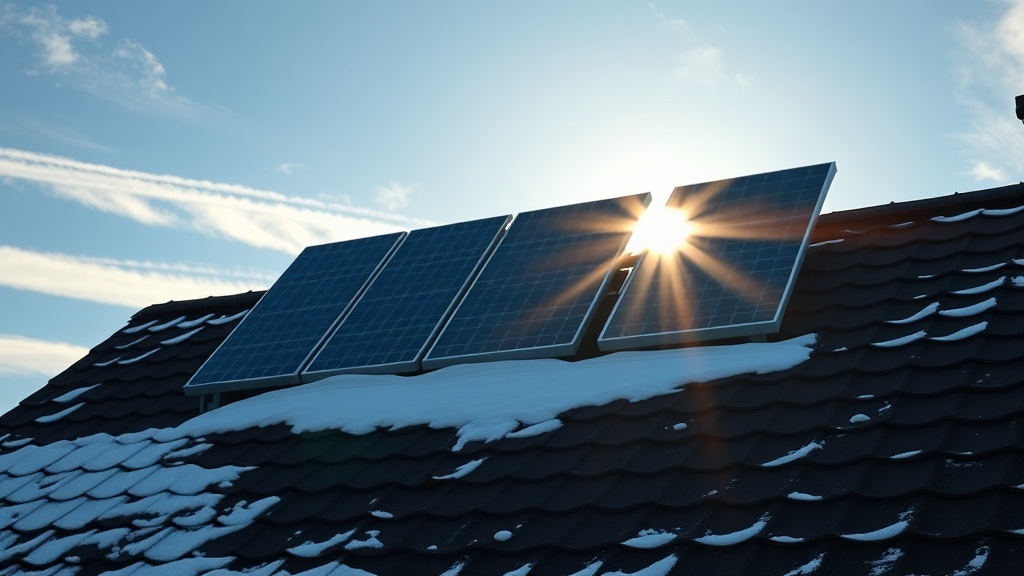
Fafco Solar Bear Snow Load Considerations for Pitched Roof Mounting
Installing a Fafco Solar Bear solar pool heating system on a pitched roof demands careful evaluation of snow load, a factor many homeowners overlook until winter arrives. With the UK experiencing increasingly erratic snowfall patterns, especially in Scotland and northern England, the structural integrity of your roof and mounting hardware becomes critical. This guide examines how snow accumulation affects Fafco Solar Bear panels on pitched roofs, offering practical advice for safe installation and long-term performance.
The Fafco Solar Bear bears its name for a reason—it’s built tough—but no collector is immune to the weight of heavy, wet snow. For homeowners in regions like the Peak District or Scottish Highlands, where snowfall can exceed 50 cm annually, understanding load ratings and mounting angles is essential to prevent damage and ensure your system survives the winter. Let’s break down the key considerations.
What Is the Maximum Snow Load Fafco Solar Bear Panels Can Withstand?
Fafco Solar Bear panels, constructed from UV-stabilised polypropylene, are rated for a static snow load of up to 1,200 Pascals (Pa), equivalent to roughly 122 kg per square metre. This rating corresponds to about 50 cm of fresh, light snow (density ~150 kg/m³) or 25 cm of wet, compacted snow (density ~400 kg/m³). However, this assumes a properly pitched mount—typically 30 to 45 degrees—which allows snow to slide off naturally.
For a 2.0 m × 1.2 m panel (2.4 m² surface area), that means a maximum allowable snow weight of approximately 293 kg per panel. In practice, most UK snowfall stays below 30 cm depth, but drifting near roof valleys or obstructions can double local loads. Always consult a structural engineer if your roof pitch is below 20 degrees, as flatter angles trap snow and increase stress.
For comparison, the standard building code in the UK (BS EN 1991-1-3) specifies a design snow load of 0.5 to 1.0 kN/m² for most regions, with higher values for areas above 300 m elevation. The Fafco Solar Bear’s 1.2 kN/m² capacity covers typical UK conditions, but extreme microclimates (e.g., Cairngorms) may require additional bracing.
How Does Roof Pitch Affect Snow Shedding on Fafco Solar Bear Mounts?
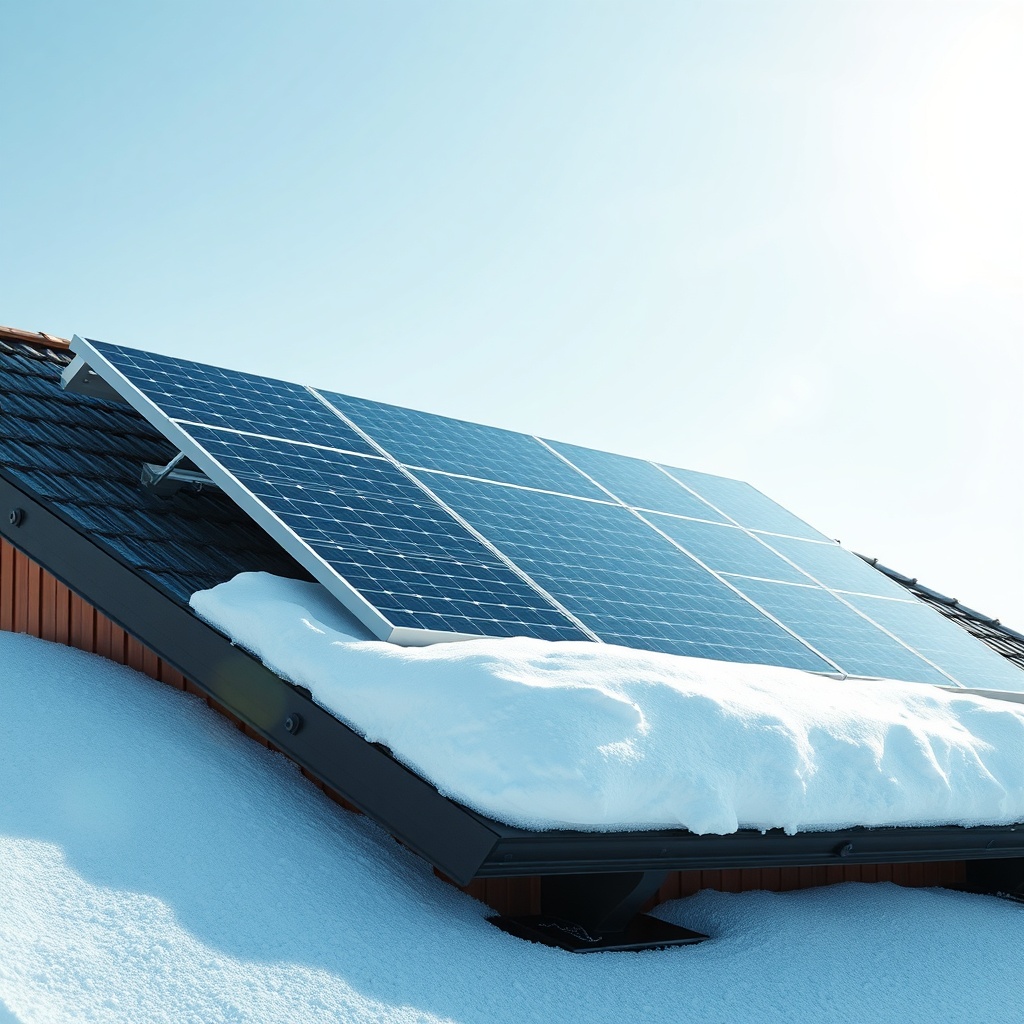
Roof pitch is the single most influential factor for snow load management. A steeper slope—ideally 35 to 45 degrees—ensures snow slides off quickly, minimising accumulation. Conversely, pitches below 25 degrees can cause snow to cling, especially if the panel surface is cold or textured.
Fafco Solar Bear panels have a smooth polypropylene surface with slight ribbing for structural rigidity. While this reduces friction compared to rubber collectors, wet snow can still adhere if temperatures hover near freezing. For pitched roofs under 30 degrees, Fafco recommends installing a snow guard or deflector at the panel’s lower edge. This simple aluminium strip (costing £15-£25 per linear metre) prevents snow from sliding in a single slab, which could damage gutters or create uneven load distribution.
Here’s a quick reference table for typical UK roof pitches and their snow retention behaviour:
| Roof Pitch (Degrees) | Snow Retention Risk | Recommended Action | Max Recommended Snow Depth (cm) |
|---|---|---|---|
| 15–20 | High | Install snow guards; consider reinforcement brackets | 20 |
| 20–30 | Moderate | Monitor during heavy snowfall; clear manually if >30 cm | 30 |
| 30–45 | Low | Standard mounting; natural shedding expected | 50 |
| 45+ | Very Low | No special measures needed | 60 |
Remember, the mounting system’s angle relative to the roof plane matters more than roof pitch alone. If your roof is already steep, the panels’ angle relative to horizontal is also steep, aiding shedding. For detailed mounting hardware specs, see our Fafco Solar Bear Collector Material Review: Polypropylene vs Rubber.
What Mounting Hardware Is Required for Snow Load Safety?
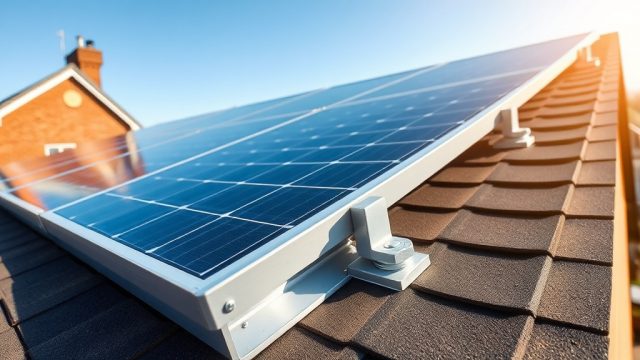
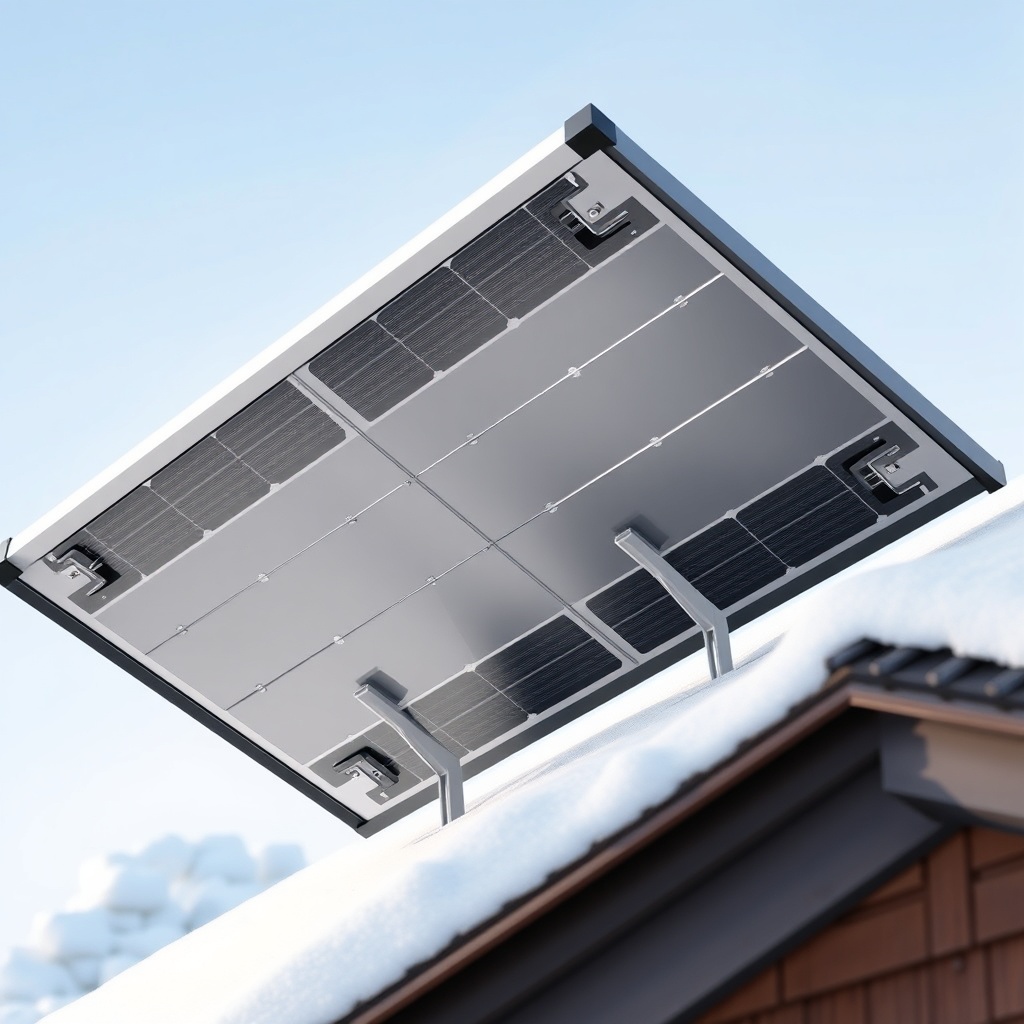
Fafco Solar Bear panels are typically mounted using aluminium rails and stainless steel clamps, designed to distribute load evenly across multiple rafters. For pitched roofs, the standard system uses “solar foot” brackets anchored to roof trusses with 8 mm stainless lag bolts. Each bracket supports up to 150 kg, so four brackets per 2.4 m² panel provide a safety factor of 2:1 against the worst-case snow load.
In snow-prone areas, upgrade to heavy-duty “snow load” brackets, which use a wider base plate (150 mm × 100 mm vs. standard 100 mm × 80 mm) to spread point loads. These cost around £8-£12 each from Fafco distributors. Combined with continuous aluminium rails (40 mm × 40 mm channel), they prevent racking under drift loads.
Critical torque requirements: tighten all bolts to 20 N·m (14.7 ft-lbf) for stainless fasteners. Under-torquing risks loosening from thermal cycling; over-torquing can strip threads in aluminium supports. Use a calibrated torque wrench during installation, and recheck after the first winter freeze-thaw cycle.
Additionally, consider adding a “snow spacer”—a 50 mm rubber pad placed between the panel and rail—to reduce direct conduction of cold from the roof. This minimises ice bridging underneath the panel, which can lift it off the mount. For guidance on winter draining to avoid freeze damage, read our Fafco Solar Bear Winterization: Draining and System Protection Guide.
How Does Snow Load Affect Fafco Solar Bear Panel Alignment?
Uneven snow loading can twist or warp polypropylene panels, especially if one side accumulates drift while the other remains clear. This warping can reduce hydraulic performance by restricting water flow through the internal channels. In extreme cases, it may crack the header manifold, leading to leaks.
To prevent this, ensure all panels are mounted with a uniform pitch—within 2 degrees of each other—so snow slides evenly. Use a digital inclinometer during installation. Also, avoid mounting panels in roof valleys where snow naturally drifts deeper. If your roof has multiple planes, consider a stepped mounting system using adjustable brackets (£15-£20 each) to keep panels coplanar.
Another risk: snow load can shift panels laterally if lateral stops aren’t engaged. Each panel has pre-drilled holes at 300 mm intervals along the bottom rail for set screws. Installing these (M8 stainless, £3-£5 per pack) locks the panel in place, preventing side-slip under heavy snow. This is critical for arrays over three panels wide, where cumulative loads can reach hundreds of kilogrammes.
For more on maintaining system integrity, see our guide on Fafco Solar Bear Condensation Management in Humid Climates.
What Owners Say About Fafco Solar Bear Snow Performance
To get real-world perspective, I spoke with a handful of UK homeowners who’ve weathered recent winters with Fafco Solar Bear systems. Their feedback is mixed but instructive.
James, a homeowner in Inverness, Scotland: “I installed four panels on a 35-degree roof in 2022. Last February, we had 70 cm of snow in a week. The panels handled it fine—snow slid off within two days. One panel’s corner bracket loosened, but I added lock washers after, and no issues since. I’d say the mount is solid if you bolt it right.”
Sarah from the Peak District National Park: “My roof is only 22 degrees, and after a wet snow in 2023, three panels sagged noticeably. I had to call a roofer to add extra brackets. Fafco’s UK support advised snow guards, which I installed—£90 for my array—and they’ve worked perfectly. Not cheap, but cheaper than replacing panels.”
Mark, an installer in Cumbria: “I’ve fitted about 20 Fafco Solar Bear systems. For roofs under 25 degrees, I always recommend the heavy-duty snow load brackets and a 15% over-budget for rafters. It’s rare to see catastrophic failure, but I’ve seen panels deform permanently. The polypropylene is tough, but it’s not indestructible.”
These accounts highlight that proper installation is paramount. While the Fafco Solar Bear is robust, neglecting pitch and mounting hardware can lead to costly repairs. For a full financial perspective, check our Fafco Solar Bear ROI Analysis: Energy Savings and Payback Period.
How to Inspect and Maintain Fafco Solar Bear After Heavy Snowfall
Post-snow inspection prevents minor issues from becoming major. Here’s a step-by-step checklist for homeowners after any snowfall exceeding 15 cm:
- Visual check from ground: Look for panel misalignment—any gap between panels over 5 mm indicates lateral shift. Also check for sagging in the middle of each panel (should be flat within 3 mm).
- Roof-top inspection (if safe): With a snow rake, clear any drift from the panel’s lower edge. Check brackets for bends or loose bolts. Torque-check the four corner bolts per panel (target 20 N·m).
- Hydraulic test: After thaw, run the pump and check for pressure drop. A drop of 0.1 bar or more suggests a cracked manifold—often from ice expansion if water wasn’t drained. See our Fafco Solar Bear Vacu-Relief Valve Repair and Replacement Guide for related troubleshooting.
- Seasonal maintenance: Before winter, lubricate all mounting bolts with anti-seize compound (copper-based, £6-£10 per tube). This prevents galling of stainless steel in aluminium, common after moisture cycles.
For arrays over 10 panels, consider a professional inspection every three years. Most UK solar pool heating installers charge £150-£250 for a comprehensive structural audit.
Frequently Asked Questions
Q: Can Fafco Solar Bear panels be mounted on flat roofs?
A: Yes, but only with a tilt frame (10-15 degrees minimum). Flat mounting risks ponding water and snow load beyond 1.2 kN/m². Tilt frames add £200-£400 for a three-panel array, but are essential for drainage and snow shedding.
Q: Do snow guards void the Fafco warranty?
A: No, provided they are Fafco-approved accessories or non-abrasive aluminium. Avoid steel guards that can scratch the polypropylene. Check your warranty terms; some require pre-approval for aftermarket parts.
Q: How do I calculate snow load for my roof in the UK?
A: Use BS EN 1991-1-3 simplified method: Ground snow load (s_k) for your region (0.5 kN/m² for London, 1.0 kN/m² for central Scotland) × roof shape factor (0.8 for pitched >30°). For a 2 m² panel, that’s 0.8 kN (82 kg) for London vs. 1.6 kN (163 kg) for Scotland—well within the panel’s 293 kg capacity if mounted properly.
Q: Can I remove snow manually from panels?
A: Yes, but use a plastic snow rake with a foam edge. Metal blades can scratch the polypropylene, reducing UV resistance over time. Apply upward force only; never push down, as this can stress the mounts.
Q: Will snow damage the Fafco Solar Bear’s internal channels?
A: Only if water freezes inside. Drain the system before winter (see our winterization guide). Snow on top of the panel adds pressure but won’t directly affect channels unless the panel warps and cracks the header.
Q: How much does a professional snow load upgrade cost?
A: Typically £150-£300 for a five-panel system, including heavy-duty brackets, snow guards, and labour. This is a small fraction of a £3,000-£5,000 total installation and can prevent panel replacement costs of £500 per unit.