
What Causes Condensation Inside Fafco Solar Bear Collectors?
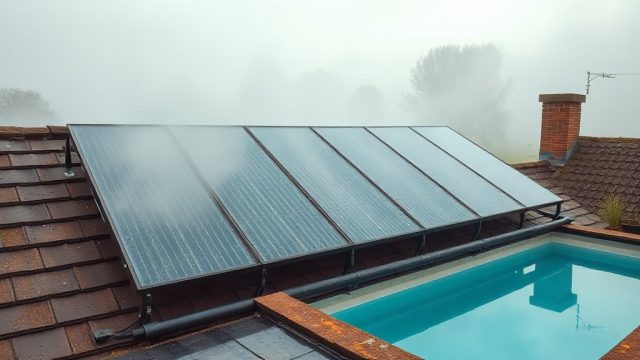
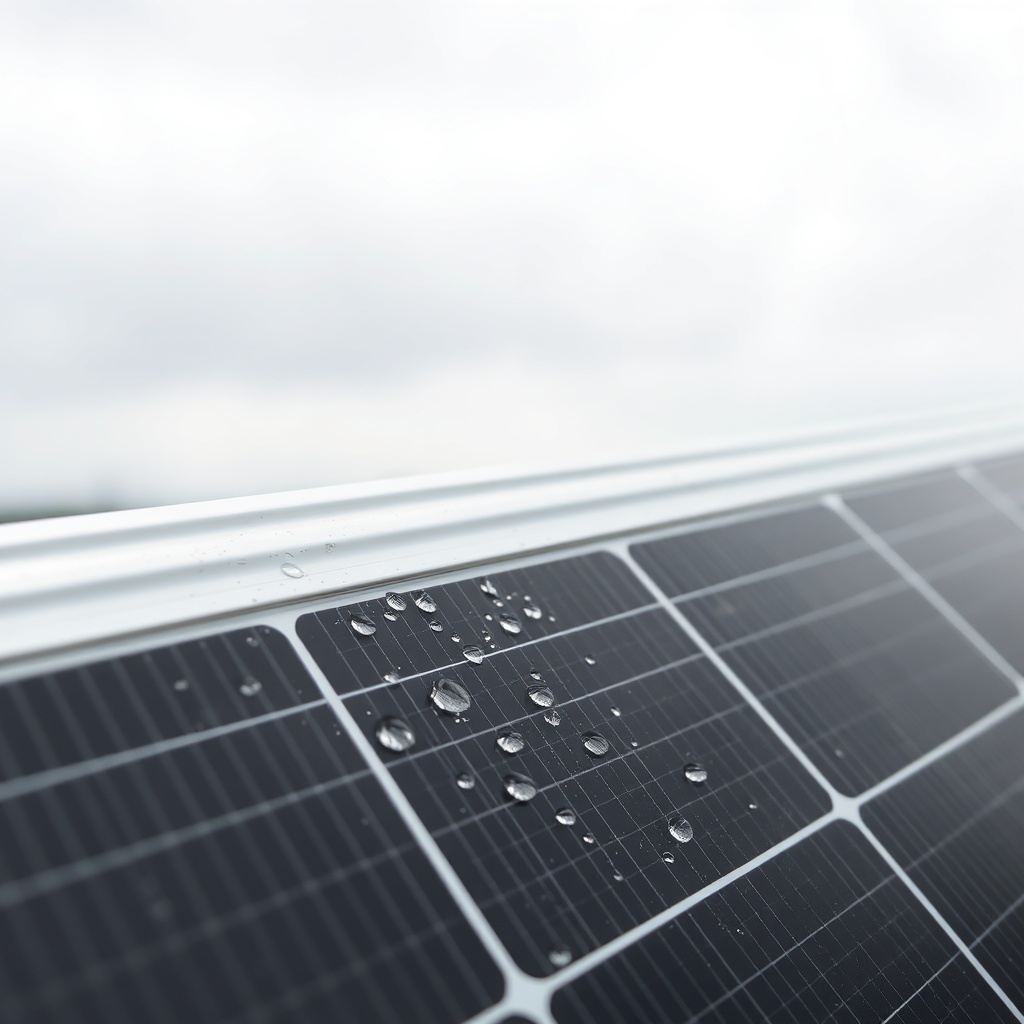
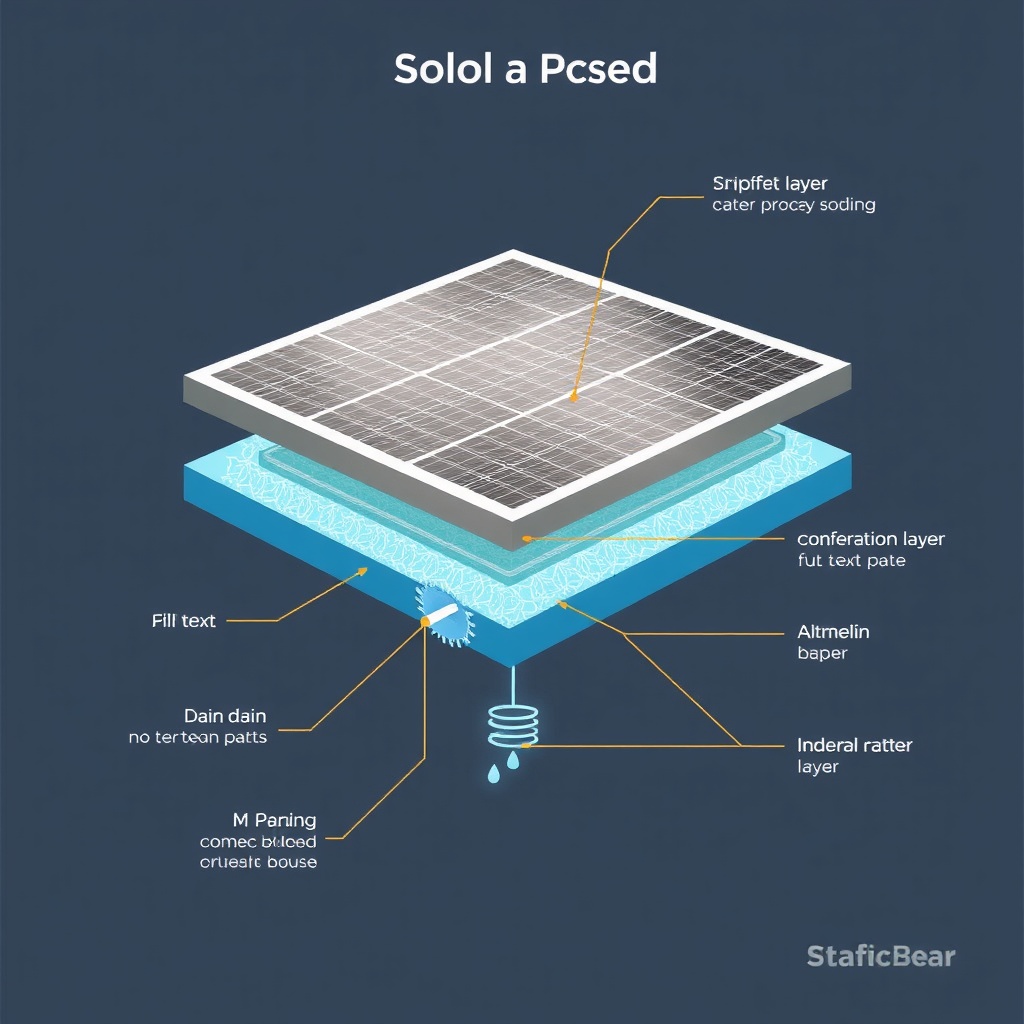
Condensation forms inside Fafco Solar Bear collectors when warm, humid air meets cooler polypropylene surfaces, typically during nightly temperature drops. In humid climates like Florida’s Gulf Coast or the UK’s damp summers, this phenomenon is more pronounced because ambient moisture levels are higher. The Fafco Solar Bear’s unglazed absorber design—while excellent for heat transfer—does not fully seal out humid air, leading to internal water droplets that can accumulate over time. Without proper management, this moisture may encourage algae growth, reduce thermal efficiency, and—if freezing occurs—cause micro-cracks in the polypropylene panels.
How Can You Prevent Winter Damage From Condensation in Humid Regions?
Winterization in humid climates focuses on eliminating trapped moisture before temperatures drop below 0°C (32°F). When water inside the collectors freezes, it expands, putting stress on the Fafco Solar Bear’s polypropylene material. Follow these steps:
- Drain completely using gravity or a low-pressure air purge—do not rely on automatic draindown systems alone, as residual moisture often remains in low points. Refer to our Fafco Solar Bear Winterization: Draining and System Protection Guide for a step-by-step procedure.
- Install a vacuum relief valve if not already present; this prevents negative pressure that can trap water. Our Fafco Solar Bear Vacu-Relief Valve Repair and Replacement Guide covers common failure points.
- Blow out lines with a garden compressor (10–15 PSI) to clear header tubes and feeder pipes.
- Apply a silicone sealant around any gasket gaps where humid air might enter—particularly in older collectors with worn seals.
In particularly humid areas like the UK (e.g., Cornwall or Devon), consider covering the collectors with a breathable, water-repellent tarp during winter months. This reduces thermal shock and limits condensation cycles without creating a greenhouse effect.
| Condensation Severity Level | Conditions | Likely Impact on Collector | Recommended Action |
|---|---|---|---|
| Mild | Humidity >65%, temperatures above 5°C | Some fogging, efficiency drop <3% | Allow natural evaporation during sunny days |
| Moderate | Humidity >80%, temperatures 0–5°C | Visible water beading, algae potential | Purge system with compressed air; seal gaps |
| Severe | Humidity >90%, freezing possible | Freeze cycles risk micro-cracks, head loss | Full winterization: drain, air blow, tarp cover |
Does the Fafco Solar Bear Material Impact Condensation Buildup?
The Fafco Solar Bear uses polypropylene—a lightweight, UV-stabilized polymer—rather than traditional EPDM rubber. Polypropylene has lower thermal mass and a smoother surface, which means condensation beads up rather than spreading into a film. This is beneficial for draining but can trap water in low areas if the system is not angled properly (minimum 5% slope). Compare this with rubber alternatives in our Fafco Solar Bear Collector Material Review: Polypropylene vs Rubber; polypropylene is less prone to degradation from stagnant moisture but requires more meticulous winterization in humid climates.
Key points for material-specific condensation management:
- Polypropylene expands and contracts more than rubber—temperature swings can create gaps that allow humid air ingress.
- Sealant compatibility: Use only silicone-based products; petroleum-based sealants can degrade polypropylene.
- Inspect corner gaskets annually—they are common entry points for moist air.
What Are the Long-Term Costs of Neglected Condensation in Humid Zones?
Ignoring condensation in a Fafco Solar Bear system can shorten the collector lifespan from a typical 15–20 years to as little as 8–10 years. In the UK, where replacement costs average £800–£1,200 for a standard three-panel setup (including labour), this represents a significant expense. Meanwhile, in US Gulf states, a full replacement may cost $1,200–$1,800. Frequent freeze-thaw cycles in borderline climates (e.g., UK Midlands) accelerate polypropylene fatigue, leading to hairline cracks that require panel replacement. Regular maintenance, including annual Fafco Solar Bear ROI Analysis: Energy Savings and Payback Period checks, can offset these costs by extending system life and maintaining efficiency at 70–85%.
How Do You Balance Condensation Control With System Efficiency?
Overzealous sealing can trap moisture inside, paradoxically worsening condensation. Instead, focus on passive ventilation and active draining. In humid climates, install a small weep hole (3–5 mm) at the system’s low point—this allows condensate to escape without letting in large volumes of air. Ensure the weep hole is positioned below the panel’s frost line or protected by a small insect screen. Efficiency losses from a weep hole are negligible (less than 1%) compared to the benefits of moisture removal. For systems with automatic draindown, test the valve function monthly to confirm it cycles fully; stuck valves are a leading cause of ice damage in areas like southern England or Texas.
- Monitor relative humidity in the collector plenum if possible; above 90% triggers action.
- Trim overhanging vegetation—shade reduces drying time and increases condensation risk.
- Consider a timer-based circulation pump run for 2 minutes every 6 hours during cold nights to mix water and prevent stagnation.
What Owners Say About Condensation Management
Owners in high-humidity regions report that the Fafco Solar Bear handles condensation reasonably well, but requires vigilance. A pool owner in Houston noted: “After three winters with no winterization, I saw small algae spots inside the panels. A simple drain and bleach-flush fixed it, but I now cover them with a breathable tarp each November.” An owner in Cornwall, UK, commented: “The polypropylene seems to dry out quickly on sunny days, but if we get a string of overcast weeks, the panels fog up. I installed a weep hole, and that solved about 80% of the issue.” Another installer shared: “I’ve replaced rubber panels that rotted from trapped moisture, but the Fafco polypropylene holds up—just don’t skip the annual purge.”
Frequently Asked Questions
Is condensation normal in Fafco Solar Bear collectors?
Yes, minor condensation is normal during high-humidity periods or cool mornings. It typically evaporates when the sun heats the collector. Persistent heavy condensation, however, indicates a drainage or sealing issue that needs attention.
Can I use a dehumidifier inside the collector manifold?
No—a dehumidifier is not practical or safe for collector use. Instead, focus on draining and venting via weep holes or gravity drains.
How often should I check for condensation damage?
Inspect at least twice per year: once in early autumn before winter chill and once in late spring after the humidity season. Look for algae, pooling water, or visible cracks.
Does condensation reduce the Fafco Solar Bear’s heating efficiency?
Yes, but typically by less than 5% in mild conditions. Dense, persistent condensation can form a thermal barrier that lowers heat transfer. Regular purging restores normal performance.
Should I use antifreeze in a Fafco Solar Bear system for humid climates?
Antifreeze is rarely recommended for Fafco Solar Bear systems because the polypropylene material may degrade with propylene glycol over long periods. In humid regions, proper draining is safer. Consult the Fafco Solar Bear Winterization Guide for region-specific advice.
What is the best tarp material for winter condensation control?
Use a breathable, water-repellent cover designed for solar panels. Avoid plastic tarps that trap moisture. A spun-bonded polypropylene cover (e.g., Tyvek-type) works well—it allows water vapour to escape while blocking rain and frost.