Heliocol HC-50 Winterization: Draining and Freeze Protection Guide
Winterizing a Heliocol HC-50 solar pool heating system is not merely a seasonal suggestion—it’s a critical maintenance step that can save hundreds of pounds in repair costs. Freeze damage to the HC-50’s polypropylene panels and manifold connections is one of the most common causes of premature system failure in the UK, where even mild winters can produce subzero nights. This guide delivers a thorough, step-by-step approach to draining, drying, and protecting your HC-50 array, drawing on manufacturer specifications and real-world installer experience.
Why Is Freeze Protection Essential for the Heliocol HC-50?
The Heliocol HC-50 is constructed from co-polymer polypropylene, a material chosen for its UV resistance and heat transfer efficiency. However, polypropylene becomes brittle at low temperatures, and when water inside the panels freezes, the expansion can crack headers, split absorber strips, and damage manifold O-rings. Unlike metal collectors, the HC-50 cannot flex under ice pressure—once a panel is compromised, replacement is the only option. A single cracked panel can cost £200–£350 to replace, and if the manifold is damaged, repair bills can exceed £800. Winterization prevents this entirely by removing water from the system before temperatures drop below 4°C.
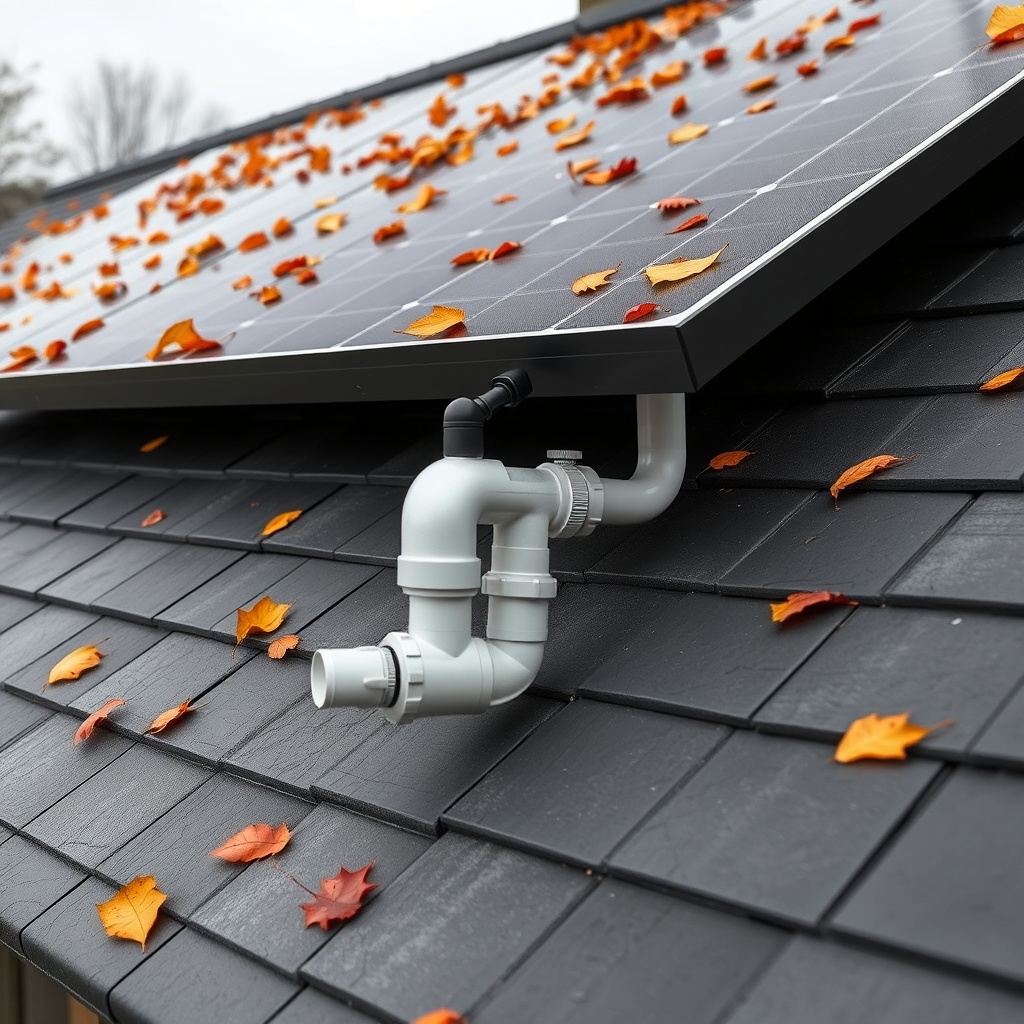
How Do I Drain the Heliocol HC-50 Manifold and Panels Completely?
Step 1: Isolate the system. Turn off the solar pump at the controller or breaker. Close any isolation valves between the pool plumbing and the HC-50 supply/return lines. This prevents backflow while you work.
Step 2: Open the manual drain valves. The HC-50 system includes a drain valve on the supply header and another on the return header. Use a flat-blade screwdriver to turn these valves to the open (parallel) position. If your installation uses ball valves, ensure they are fully open.
Step 3: Remove the end caps (if accessible). On some manifold configurations, removing the end cap on the lower header allows faster draining. Have a bucket ready—up to 2 litres per panel may drain. For a typical 8-panel HC-50 array (4 x 2), expect 12–16 litres total.
Step 4: Tilt the panels (if on a flat roof). For flat roof installations, even a 1° tilt towards the drain valve can clear residual water. If panels are mounted level, use compressed air to blow out remaining water (see next section).
Step 5: Leave valves open. Once flow stops, leave both drain valves open for the winter. This allows any condensation or residual water to escape rather than refreezing.
| Symptom | Severity | Estimated Repair Cost (GBP) | Time to Resolve |
|---|---|---|---|
| Visible water dripping from drain after shutdown | Low | £0–£20 (re-drain) | 30 minutes |
| Small crack in one panel header | Medium | £200–£350 (panel replacement) | 1 day |
| Multiple cracks or manifold damage | High | £600–£900 | 2–3 days |
| Pump or controller freeze damage | Critical | £1,200+ | 1 week |
Should I Use Compressed Air to Blow Out the Heliocol HC-50 Lines?
Yes—especially if the system is mounted on a flat roof or has long horizontal runs. Gravity alone often leaves a thin layer of water inside the absorber strips and headers. Compressed air, applied at a maximum of 30 PSI (2.07 bar), forces water out of the collector tubes and manifold channels. Connect a blow-out adapter to the supply line (after the isolation valve) and run air until only a mist exits the open drain valve. Important: never exceed 50 PSI, as it can rupture the polypropylene. UK installers commonly rent a 5-cfm compressor for around £35/day; a one-time purchase for DIY use runs £150–£200.
What Freeze Protection Methods Work Without Draining?
Some owners prefer to keep water in the HC-50 year-round, especially if the system is on a steeply sloped roof and manual draining is difficult. The two reliable methods are:
- Antifreeze circulation: This is rare for polypropylene panels because heat transfer fluids like propylene glycol degrade the manifold O-rings over time. If you choose this route, use only a pool-safe glycol at 25% concentration, and expect to replace seals every 2 years. Cost: £80–£150 for fluid and a fill kit.
- Runaround freeze protection (controller-driven): The HC-50 controller can be set to cycle the pump when the panel temperature drops below 4°C, pulling warm pool water through the collectors. This works only if the pump is working and the pool is not frozen—few UK pools freeze solid. Programming this in the HC-50 Controller Automation guide takes about 10 minutes. Electricity cost: roughly £0.30 per freeze cycle.
For most UK climates, draining is simpler and more reliable than antifreeze.
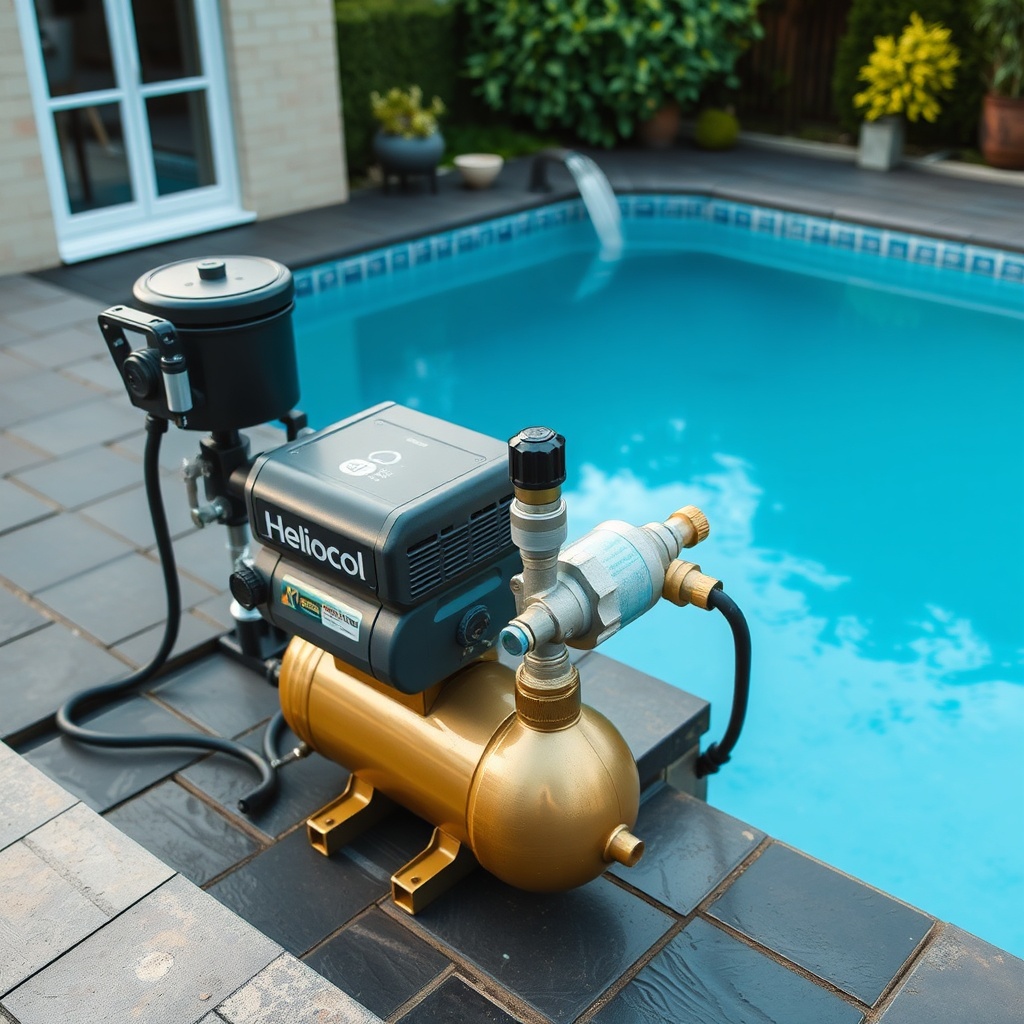
How Do I Protect HC-50 Manifold Connections and O-Rings from Winter Damage?
The manifold O-rings are a weak point because they contract in cold weather, creating leaks when the system is repressurised in spring. After draining, remove and inspect each O-ring. Apply a thin coat of silicone-based pool lubricant (not petroleum jelly) to keep them pliable. Store O-rings in a zip-top bag inside a heated shed if possible—but if you leave them installed, ensure they are clean and dry. For the manifold unions, wrap exposed threads with UV-resistant tape to prevent corrosion. The HC-50’s quick-connect fittings benefit from a bit of Teflon tape on the threads if you disconnected the panels. Never use metal tools on the polypropylene—use nylon or plastic wrenches to avoid cracking the headers.
What Owners Say About HC-50 Winterization
UK Heliocol HC-50 owners often note that the draining process becomes second nature after the first winter. “I set a reminder in my phone for mid-October—drain takes 45 minutes and saves me the headache of a cracked panel,” reports one owner from Buckinghamshire. Another owner in Scotland warns, “Compressed air is a must if you’ve got a flat roof. I skipped it one year and had a weep at a connection in March.” A common piece of advice from installers: “Always leave the drain valves open all winter—close them only in April.” Some users pair the winterization routine with a system inspection, checking for loose brackets or debris on the panels as described in the pool size and climate match guide. Cost-conscious owners appreciate that the annual winterization supplies—lubricant, tape, and maybe a new O-ring kit—total less than £20.
Frequently Asked Questions
1. Can I leave the HC-50 panels full of water during a light frost?
No. Even a single night with a low of -2°C can cause micro-cracks in the headers. Always drain if temperatures are forecast below 4°C.
2. Do I need to drain both supply and return lines?
Yes. The supply line holds water that can freeze back to the pump, and the return line traps water in the manifold. Open both drain valves.
3. How often should I replace O-rings on the HC-50 manifold?
Every 2–3 years, or immediately if you see leakage after repressurisation. A set of 10 O-rings costs about £12 online.
4. What is the best way to store the HC-50 controller in winter?
Remove the controller from the weatherproof enclosure if you can bring it inside. If not, leave it in place but set its freeze protection to the “off” position to avoid false pump starts.
5. Can I use a garden hose to flush the panels before draining?
Yes, but only in mild weather (above 5°C). Flush with clean water for 2 minutes, then proceed with draining. This removes chemical residue from the summer.
6. How do I know if freeze damage has already occurred on my HC-50?
Look for hairline cracks near the header-to-absorber junction, or water stains on the roof beneath the panels. A pressure test (fill the system to 30 PSI and watch for drop) confirms integrity. Replacement panels cost £250–£400 depending on the dealer.