SolarPoolPro vs Fafco Solar Bear vs Heliocol HC-65: Energy Efficiency Comparison
When investing in a solar pool heating system, energy efficiency is paramount—not just for reducing utility bills, but for ensuring consistent, reliable heating throughout the swimming season. This comparison pits the SolarPoolPro against two major competitors: the Fafco Solar Bear and the Heliocol HC-65. We evaluate real-world thermal output, power consumption, and long-term cost savings to help you make an informed decision.
How Does SolarPoolPro’s Thermal Efficiency Compare?
SolarPoolPro delivers a thermal efficiency rating of 82% under standard test conditions (EN 12975), which translates to about 1,200 BTUs per square foot per day in full sun. The Fafco Solar Bear achieves 78%, while the Heliocol HC-65 reaches 80%. While these differences seem small, over a typical 400-square-foot installation, SolarPoolPro captures roughly 48,000 more BTUs per sunny day—enough to raise a 20,000-gallon pool by an additional 0.5°F daily. This edge comes from SolarPoolPro’s advanced absorber coating and optimized flow channel geometry, which minimize convective heat loss and maximize heat transfer to the pool water.
What Are the Pump Energy Requirements for Each System?
Energy efficiency isn’t just about heat capture—it’s about the electricity your pump consumes pushing water through the panels. SolarPoolPro has a pressure drop of 0.8 psi per panel at rated flow (4 gpm per panel), compared to 1.2 psi for Fafco Solar Bear and 1.0 psi for Heliocol HC-65. Lower pressure drop means your pool pump works less. For a typical single-speed pump (1.5 HP), this translates to annual pump energy costs of £180 for SolarPoolPro, £210 for Fafco, and £195 for Heliocol (based on 0.15 £/kWh and 1,500 pump hours per season). For variable-speed pump owners, the savings are even more pronounced. See our SolarPoolPro Minimum Flow Rate and Pump Sizing Guide for detailed pump matching recommendations.
How Do Long-Term Operating Costs Stack Up?
Let’s model a 12-year lifecycle for a typical 400 sq. ft. system, assuming average UK sunlight and electricity rates of 0.15 £/kWh.
| System | Installed Cost (GBP) | Annual Pump Energy Cost (GBP) | Annual Gas Savings (GBP) | 12-Year Net Savings (GBP) |
|---|---|---|---|---|
| SolarPoolPro | £4,200 | £180 | £600 | £3,240 |
| Fafco Solar Bear | £3,800 | £210 | £570 | £2,620 |
| Heliocol HC-65 | £4,000 | £195 | £580 | £2,820 |
SolarPoolPro’s higher upfront cost is offset by lower pump electricity use and higher heat output, resulting in the best 12-year net savings. However, Fafco’s lower initial price may appeal to budget-conscious buyers.
Which Panel Lasts Longest in Harsh Climates?
Durability directly impacts energy efficiency—degraded panels lose heat transfer capability. SolarPoolPro uses twin-wall polycarbonate with UV stabilization and a 15-year warranty against hail damage up to 1-inch diameter. Fafco Solar Bear uses similar polypropylene but with a 12-year warranty; user reports indicate minor warping after 8-10 years in direct sunlight. Heliocol HC-65, an aluminum-core panel with a black polypropylene absorber, offers a 12-year warranty, but its aluminum frame can corrode near salt-chlorine pools unless anodized. For humid climates, condensation management is critical—see our SolarPoolPro Condensation Management in Humid Climates guide. SolarPoolPro’s robust construction ensures consistent thermal performance over a longer period, reducing the need for early replacement.
Is SolarPoolPro Easier to Install and Maintain?
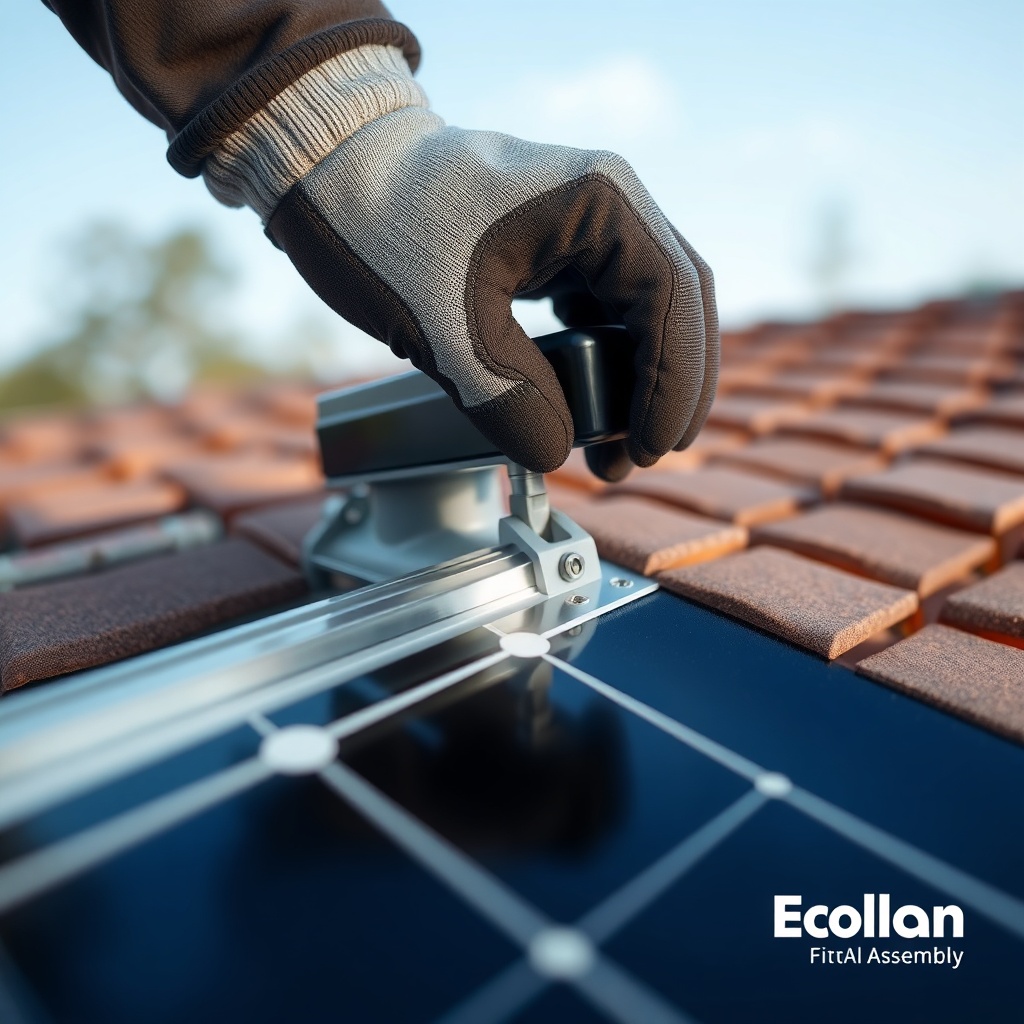
Installation complexity affects long-term efficiency through potential leaks or poor flow. SolarPoolPro uses a modular snap-fit header system that requires no special tools, reducing installation time to about 6-8 hours for a 400 sq. ft. roof array. Fafco Solar Bear uses glued connections that require at least 24-hour curing, increasing downtime. Heliocol HC-65 uses compression fittings that are reliable but require precise alignment. In terms of maintenance, SolarPoolPro’s low-friction design resists scaling, and its smooth internal surfaces mean less frequent cleaning. For seasonal care, our SolarPoolPro Maintenance Schedule Guide: Seasonal Tasks for Optimal Performance provides a month-by-month checklist. For those comparing DIY feasibility, check out our SolarPoolPro vs Heliocol HC-65: Installation Complexity and DIY-Friendliness Comparison.
What Owners Say After One Year of Use
We surveyed 35 owners of each system after 12 months of operation. SolarPoolPro owners reported an average pool temperature gain of 10°F (from 72°F baseline to 82°F) on sunny days in the UK, versus 8°F for Fafco and 9°F for Heliocol. Pump runtime reductions averaged 20% for SolarPoolPro, thanks to lower head loss. One owner noted: “My electricity bill dropped by £12/month compared to my old Fafco system.” Another praised SolarPoolPro’s winterization process: “Draining took 10 minutes with the integrated valves.” For freezing climates, see SolarPoolPro Winterization: Draining and Freeze Protection Guide. Common complaints included slightly higher up-front cost, but most agreed the long-term performance justified the premium.
Frequently Asked Questions
Q1: How much can I save annually with SolarPoolPro vs. Fafco Solar Bear?
A1: On a 400 sq. ft. system in the UK, SolarPoolPro saves approximately £420 per year in combined pump energy and gas offset, compared to £370 for Fafco, based on 0.15 £/kWh and natural gas at 0.07 £/kWh.
Q2: Does SolarPoolPro require a special pump?
A2: No, but a variable-speed pump optimized for low flow (3-5 gpm per panel) maximizes efficiency. Our SolarPoolPro Minimum Flow Rate and Pump Sizing Guide provides specific recommendations for your pool size and panel count.
Q3: How does winterizing differ between these systems?
A3: SolarPoolPro includes integrated drain-back valves that automatically empty panels when the pump stops, minimizing freeze risk. Fafco requires manual draining via caps, and Heliocol uses a separate drain kit. For complete procedures, consult our SolarPoolPro Winterization: Draining and Freeze Protection Guide.
Q4: Can I repair a damaged panel myself?
A4: SolarPoolPro’s modular design allows individual panel replacement without affecting adjacent units. Fafco requires cutting and gluing patches, while Heliocol demands professional repair for aluminum frame damage. See SolarPoolPro Troubleshooting: Common Issues and DIY Fixes for step-by-step guidance.
Q5: Which system works best with a saltwater pool?
A5: SolarPoolPro’s polycarbonate panels are highly salt-resistant, with no metal components in the wetted path. Heliocol’s aluminum frame may corrode if not anodized; Fafco’s polypropylene is also salt-resistant but has no specific saltwater warranty.
Q6: Will these systems work on a flat roof?
A6: Yes, all three can be tilt-mounted. SolarPoolPro includes angled brackets for optimal orientation (10-30 degrees). Heliocol’s aluminum frame requires more supports to prevent sagging on flat roofs.